

In September 2024, medical waste washed onto parts of the Mid-Atlantic coast. Several beaches in Maryland, Delaware and Virginia restricted swimming or issued advisories while authorities responded. Those notices concerned particular locations and conditions, rather than a permanent ban across three states.
For a visit now, check the beach’s current official notice. The archived closure tells you what happened then, not what the water is like today. A warning at one location cannot describe every nearby beach either.
What prompted the restrictions

Officials found needles and other debris on parts of the coast. Staff needed to inspect and clean the affected areas, and local and park authorities restricted entry to the water. The immediate concern was people coming into contact with hazardous material. It was not a finding of the same contamination level throughout the ocean.
Assateague notices require a location check of their own. Assateague State Park is distinct from Assateague Island National Seashore. The two have different management authorities, so read each notice for the section it names.
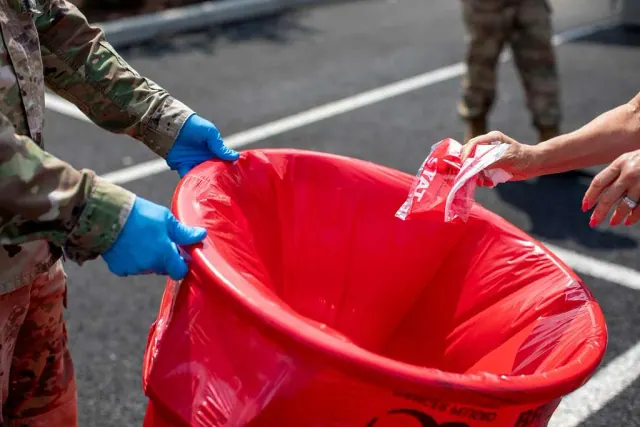
The archive photographs in this article illustrate the subject. A beach image or biohazard bag does not document exactly what was found at every location. Neither a lab result nor a map of the affected shoreline can be inferred from those pictures.
Advisories changed as inspections continued
The National Park Service announced on September 20, 2024, that ocean access and swimming could resume at lifeguarded beaches in Assateague Island National Seashore’s Maryland and Virginia districts. The notice also set out arrangements for other sections.
That later notice belongs beside the early closure. “Until further notice” did not mean indefinitely, and different sections could reopen at different times or under different conditions. The date and location are essential parts of each update.
Delaware issued its own guidance
Fenwick Island's September 20 update said DNREC was raking the beach and maintaining a swimming advisory through September 23, recommending no swimming or wading. The town adopted that advice for its beach.
It was a local response to the situation then, rather than a rule governing every Delaware beach in later summers. Follow the relevant beach authority if a new advisory is posted, and keep away from unknown medical waste rather than trying to collect it yourself.
Look for the location and date
Before relying on a beach alert, find the affected area, the restricted activity and the notice’s issue or update date. A shared screenshot may leave those out. Go back to the original official notice when it does. This September 2024 account explains the old headlines, rather than announcing a closure in force today.