
Musicals have a long place in cinema history. Audiences have watched stars sing and dance through films as different as The Jazz Singer, Singin’ in the Rain and Wicked. The genre can supply exactly the kind of spectacle that draws people to a theater.
That makes a particular marketing choice worth looking at: some trailers emphasize jokes, stars and familiar characters while giving relatively little space to the songs. Viewers who know the stage production may recognize a musical immediately. Other moviegoers may not.
The campaigns for Wonka and the 2024 Mean Girls prompted this debate. Their trailers offered plenty to look at, but not everyone understood how much singing the films contained. That is a more specific question than whether Hollywood as a whole has stopped believing in musicals.
A Brief History of Hollywood's Relationship to the Genre
Movie musicals have changed considerably over the decades. Their history helps explain why the label can suggest different things to different viewers, from an animated family film to a stage adaptation or a darker adult drama.
The Jazz Singer became a landmark in the transition to sound in 1927, although it was not an all-talking film. The Broadway Melody followed in 1929 and became the first sound film to win the Academy Award for Best Picture.
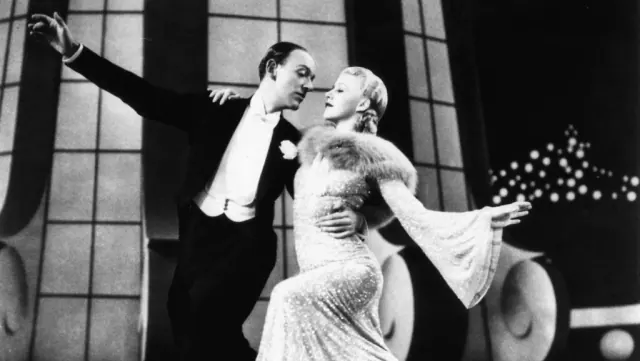
Performers such as Fred Astaire and Ginger Rogers became closely associated with the genre, while choreographer and director Busby Berkeley developed elaborate musical spectacles. The Wizard of Oz used color to memorable effect in its fantasy world. These were different forms of filmmaking, united by the importance of music and performance.
The 1940s and 1950s produced enduring films including An American in Paris and Singin’ in the Rain. Later successes such as West Side Story and My Fair Lady showed that large audiences could still turn out for the genre. Its history is too varied to reduce to one moment when viewers simply lost interest.
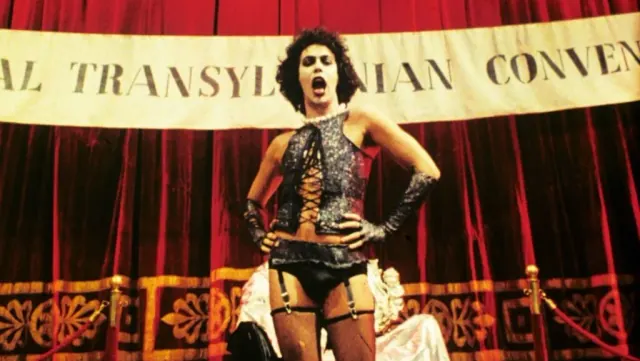
In the 1970s, Cabaret, The Rocky Horror Picture Show and All That Jazz offered very different moods and approaches. Some found audiences in an initial run; others developed a lasting following over time. A musical could be unsettling, satirical or aimed at adults, rather than offering only bright escapism.
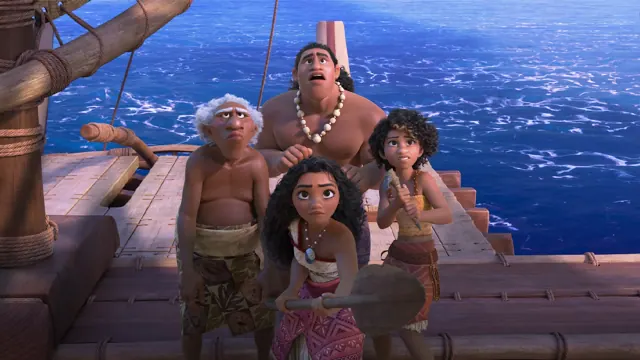
Animated musicals add another wrinkle. Audiences familiar with Disney may expect songs even when a particular trailer concentrates on the story. A live-action film connected to a nonmusical comedy can create a different set of expectations.
Knowing the source material makes a difference. Someone who follows Broadway may have understood immediately that the new Mean Girls drew on the stage musical. A viewer remembering only the 2004 film had less reason to make that assumption.
The trailer has to reach both of those audiences. How much does it need to explain?
Why Hollywood Doesn’t Like to Market Movie Musicals
Some of the reactions to the 2024 Mean Girls centered on that surprise. It was a screen adaptation of the Broadway musical, itself based on the earlier film. A familiar title did not necessarily tell an occasional moviegoer which version of the story they were getting.
One response captured in the original coverage came from TikTok user @iam_adrian4:
The film went on to earn about $105 million worldwide. That is ticket revenue, not a profit figure. A box-office total can show that people turned up without proving which element of a marketing campaign persuaded them.
TheWrap reported on the commercial caution around marketing musicals, including concerns about how the label might affect the audience a campaign could reach. Disappointing results for individual films can contribute to that caution. They do not establish that every musical faces the same problem or that viewers dislike songs in every setting.
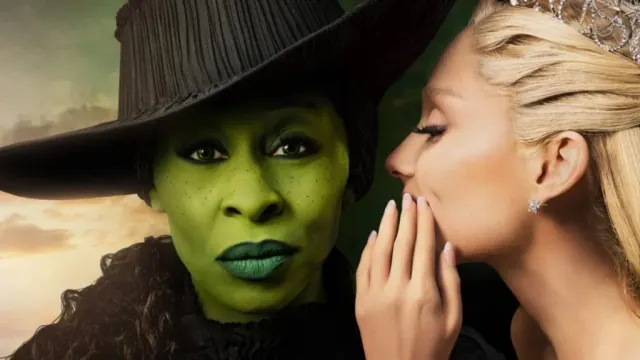
Wicked also needs to be considered on its own terms. It was a well-known Broadway adaptation, and its promotional material included recognizable music. How clearly a particular trailer communicates the format is a fair question; saying that the entire campaign hid the musical would go too far.
A trailer is a selection from a much longer film. Choosing dialogue and action may broaden its immediate appeal, but it can also leave out something central to the viewing experience.
For a viewer buying a ticket, knowing that songs help tell the story is useful information. That remains true whether they love musicals or usually avoid them.
Is There a Solution?
There is no single campaign that fits every musical. Wonka, Mean Girls and Wicked each brought different characters, audiences and expectations. Their results cannot tell us that downplaying songs always works—or that it never does.
A straightforward approach would let audiences hear enough of a performance to understand the kind of film being sold. The music need not take over every trailer, but it need not be treated as an awkward surprise either.
A song can communicate character, humor and spectacle at once. For films built around musical numbers, showing that part of the experience gives viewers a better basis for deciding whether to go.