Anastasia Romanov was 17 when she and her family were killed in Yekaterinburg on July 17, 1918. The investigators who eventually accounted for her had two burial sites to work with. The first held her parents and three of their daughters. The second held a boy and a girl. When geneticists compared the remains, those two children completed the family. The evidence about Anna Anderson came from somewhere else entirely. In 1995 a separate team reported on preserved tissue from Anderson, who for decades had said she was Anastasia.
The family name goes back to 1613, when Michael Romanov became tsar. There's an earlier Anastasia in that history. She was Anastasia Romanovna, the first wife of Ivan IV, better known as Ivan the Terrible. Ivan came from the Rurik dynasty, which ruled before the Romanovs. His wife's given name can make the two women easy to mix up when you're reading about the family's origins. Think of the dates first. Ivan married in the sixteenth century, and the grand duchess was born at the start of the twentieth.
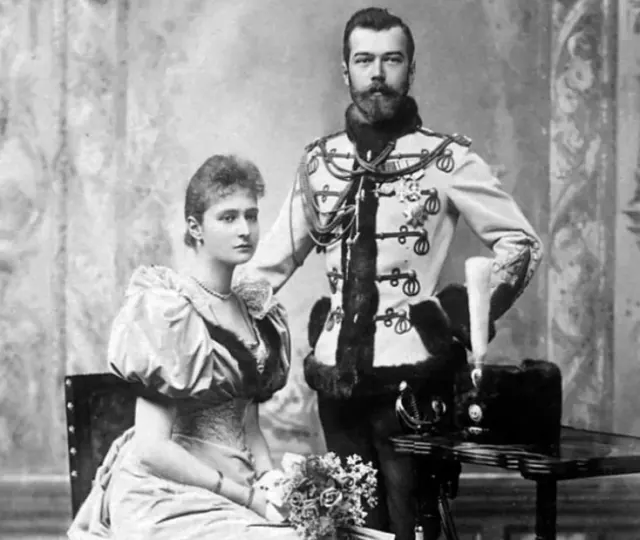
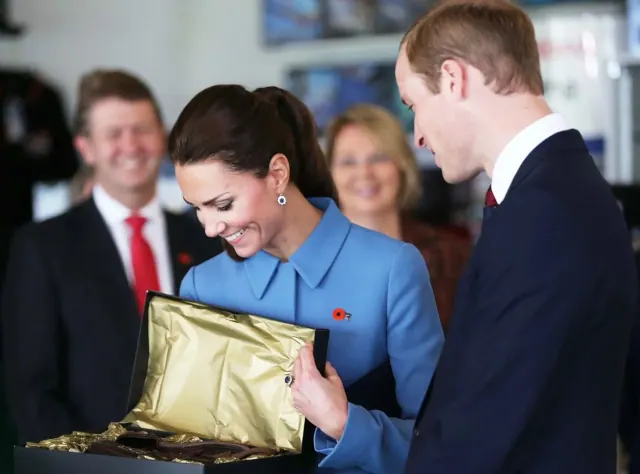
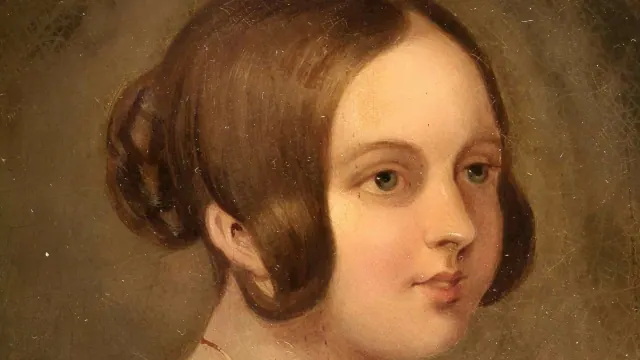
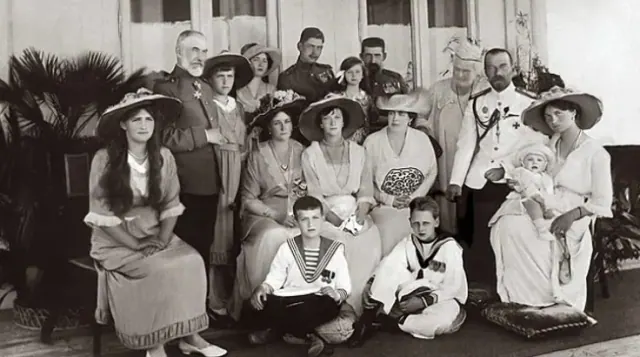
The grand duchess's parents married in November 1894, the same year her father succeeded Alexander III. Nicholas II's bride was Princess Alix of Hesse. She converted to Russian Orthodoxy before the wedding and took the name Alexandra Feodorovna. To Queen Victoria, she was a granddaughter, one of the children of her daughter Princess Alice. That connection sometimes shows up in portraits of the extended family. It also mattered long after both women were gone, when researchers needed to compare the DNA from the Russian graves with a sample from a living relative.
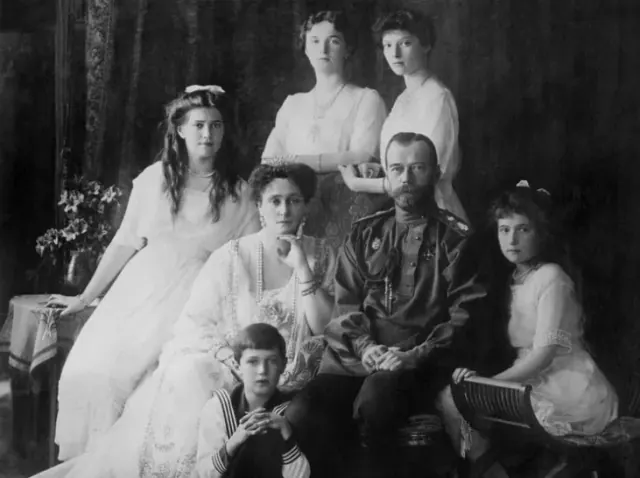
The couple's first child was Olga. Tatiana, Maria and Anastasia followed, and Alexei, the only son and heir, was born in 1904. The initials of the four sisters, in order of age, made OTMA, a name their parents used for them together. Look at the four daughters in their formal portraits and the initials are a quick way to keep the names straight. The order would come up again under very different circumstances, as researchers tried to decide which daughter's remains were missing from the first grave.
The Family Under Guard
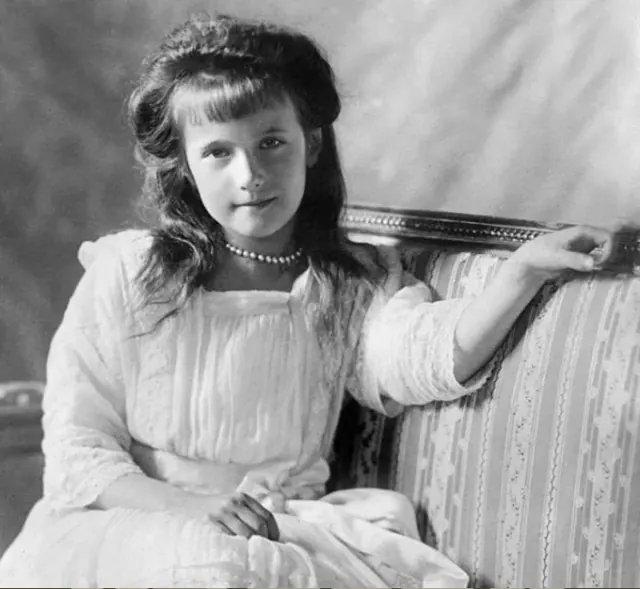
Anastasia was born in 1901. In the pictures of her as a girl, the clothes and the poses tell you something about the world she was born into. Her English tutor, Sidney Gibbes, remembered something you can't see in a formal portrait. She was the one who got people laughing. His description survives in a deposition from the investigation into what happened to the family. He knew the children from his time teaching them, when a girl who would later be treated as a mystery was simply his student.
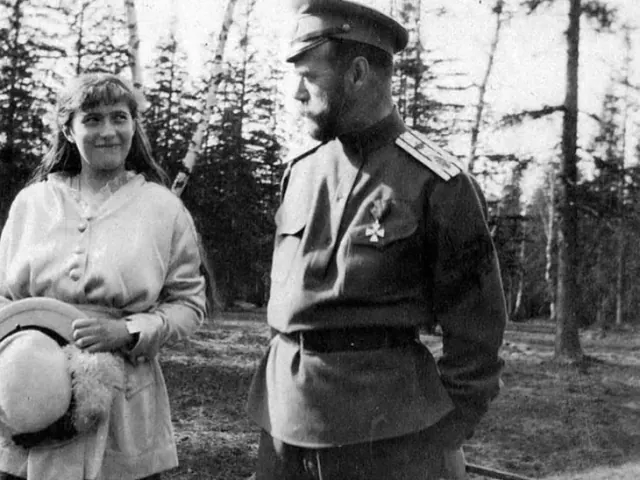
A few photographs from the family's detention have written accounts attached to them. Pierre Gilliard, another of the children's tutors, recorded how they passed the time at the estate of Tsarskoye Selo. There were lessons and walks, and guards watched the family. In May 1917, they decided to turn some of the lawn near the residence into a kitchen garden. It is a small, dated detail from a household whose position had changed in a matter of weeks. By the time Gilliard was writing about the garden, Nicholas had already given up the throne.
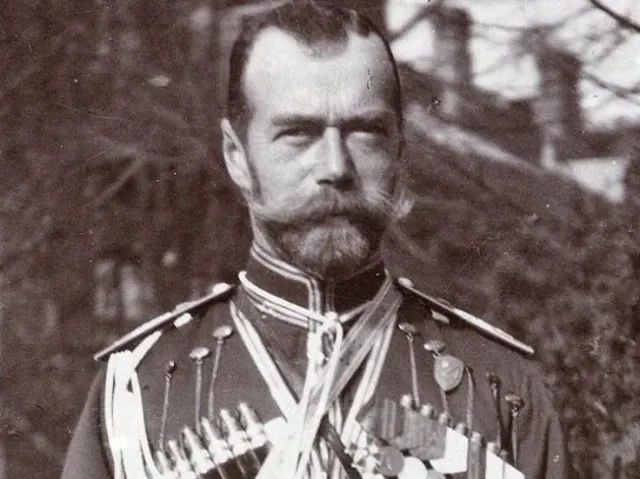
The date of that abdication can look different depending on the record you pick up. It was March 2, 1917 on the calendar then used in Russia, and March 15 on the Gregorian calendar. Nicholas gave up the throne for himself and for Alexei, who was still a boy. Nicholas named his brother, Grand Duke Michael, as successor. Michael made his acceptance conditional on the decision of a future Constituent Assembly. The Provisional Government took charge that spring. The Bolsheviks would seize power in October, after the family had already left the estate.
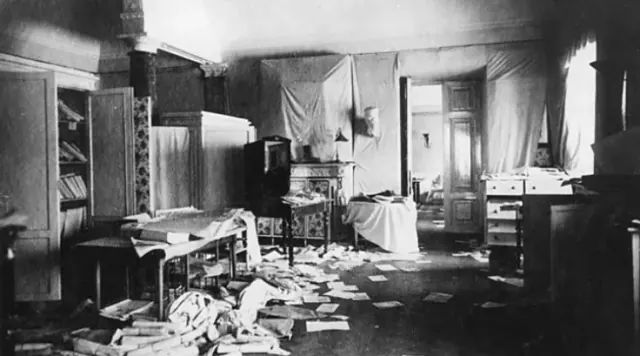
In August 1917 the Romanovs were sent to Tobolsk, in western Siberia. The former governor's house became their place of detention. A photograph held by the Library of Congress shows Nicholas and his children out front, with the four sisters together on one side and Alexei near the middle. It gives you a particular place to attach to the name Tobolsk, as well as one more record of the children together. The setting was a house that had served the local government, far from the palace grounds where Gilliard had watched them take their walks.
The Last Transfer to Yekaterinburg
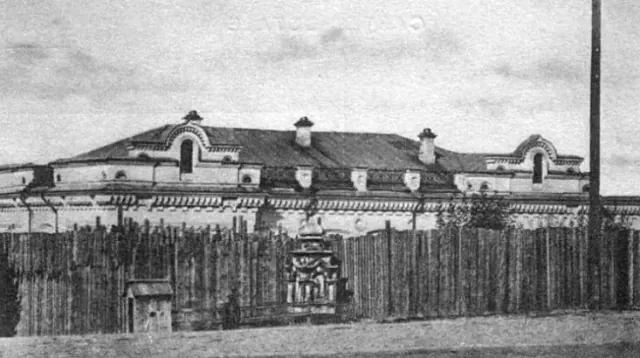
Tobolsk was where the family spent the winter. In the spring of 1918, with the Bolsheviks in power and civil war underway, the Romanovs were moved to Yekaterinburg in the Ural Mountains. They left Tobolsk in stages. Some of the family made the trip ahead of the others, so dates for the transfer can refer to different groups. The place where they were held in Yekaterinburg was the Ipatiev House. The two places are sometimes mentioned in the same breath, but the governor's house in Siberia and the Ipatiev House in the Urals belong to different parts of the family's detention.
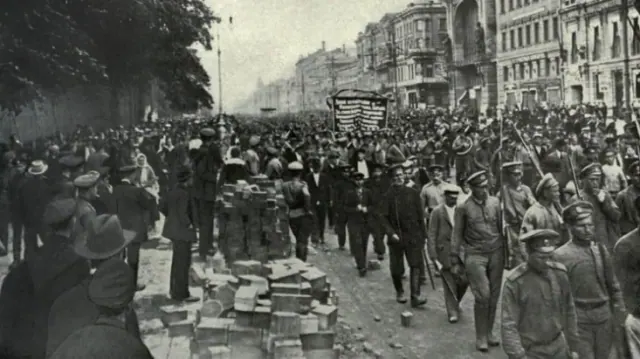
In the early hours of July 17, 1918, Bolshevik guards killed the Romanovs at the Ipatiev House. The dead included Nicholas and Alexandra and all five of their children. Anastasia was seventeen. Alexei was thirteen. Four people from the household were also killed, among them the family's doctor, Yevgeny Botkin. There were eleven victims altogether. The doctor matters to what happened after the killings as well. His son Gleb, who became a journalist, was among the people who helped bring Anna Anderson's claim to a wider audience years later.
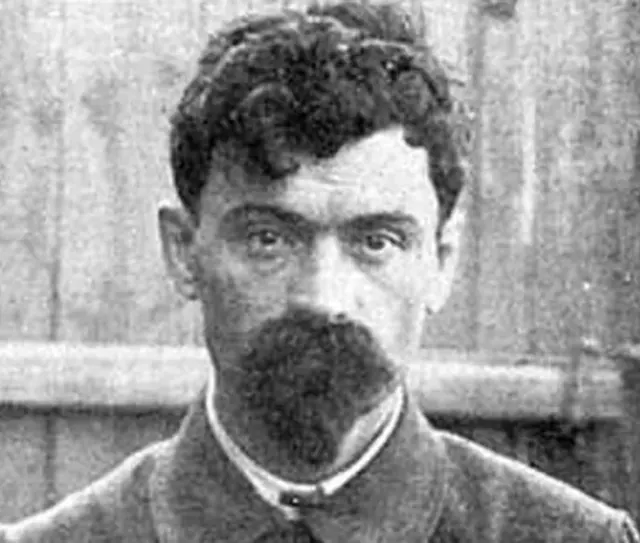
An inquiry began that July after anti-Bolshevik forces took Yekaterinburg. Nikolai Sokolov took over in February 1919. His case files include photographs and testimony from people with very different kinds of knowledge. A tutor could tell the investigators about the children during their months in detention. Guards, soldiers and people in the area had other parts of the story. The papers at the Library of Congress include material from that inquiry, which could document the family's captivity and deaths in considerable detail. The later work of identifying each person from physical remains would require different evidence.
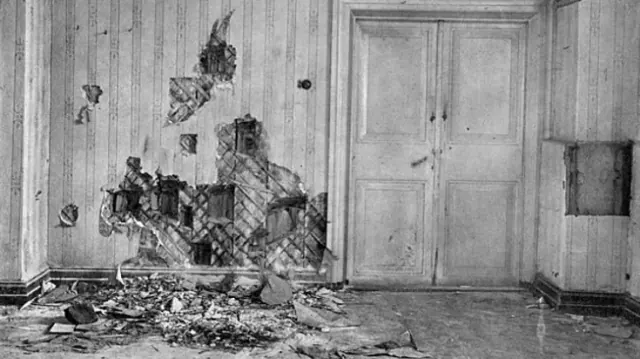
The investigation produced records that traveled far from the city. Sokolov took copies of case material with him into exile. His account appeared after his death in the 1920s. George Tellberg, who had access to the case files, published his own account in 1920. Papers he kept eventually came to the Library of Congress. Those published accounts gave readers a way to learn about the inquiry while Soviet officials were still withholding the full story of what had happened to the family. The timing helped determine what people could check when they heard a new claim.
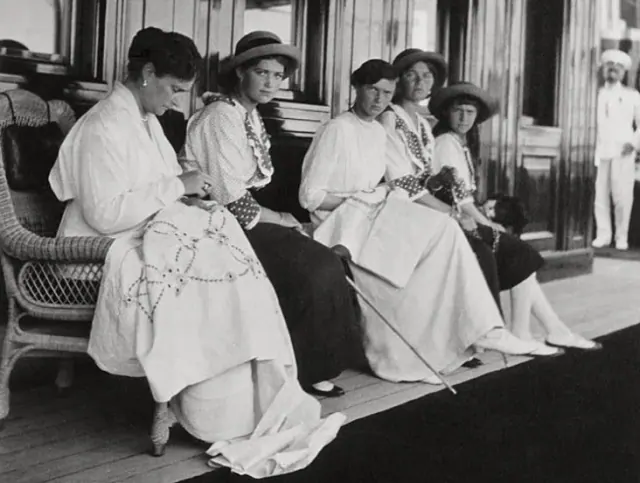
The daughters were familiar from photographs, often pictured together, by the time people began coming forward to claim their names. Several women said they were Anastasia. Other people asserted that they were different children from the same family. The claims could attract attention before there was much public evidence to test them against. The years of uncertainty about the whereabouts of the remains made it harder for readers at the time to put those stories to rest. It was in that period that the woman later known as Anna Anderson began telling people she was the youngest Romanov daughter.
How Anna Anderson’s Claim Spread
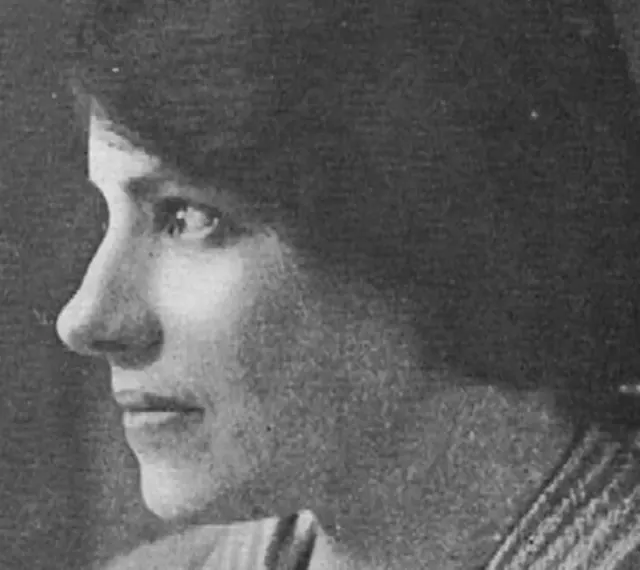
In 1920 a woman who would later call herself Anna Anderson came into care in Berlin. In 1921, while she was still at a clinic there, she said she was a daughter of Russia's last tsar. News of the claim traveled out of the clinic. The Bavarian State Archives uses surviving papers to trace what happened next, beginning when the woman was still known by other names. The records from Berlin give the story a date and a place, years before the passport application that supplies the name most readers know.
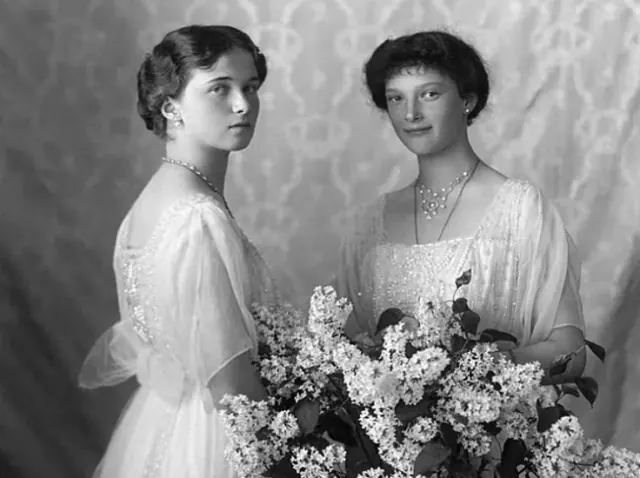
Relatives of the Romanovs and people who had worked for the family were asked whether they recognized her. Some had seen Anastasia years earlier. Their impressions differed, and the early meetings did not settle who Anderson was. The surviving correspondence includes letters about the case in the papers of Grand Duchess Xenia, Nicholas's sister. They show the claim turning up among members of the imperial family even as other people were beginning to hear about it through the press.
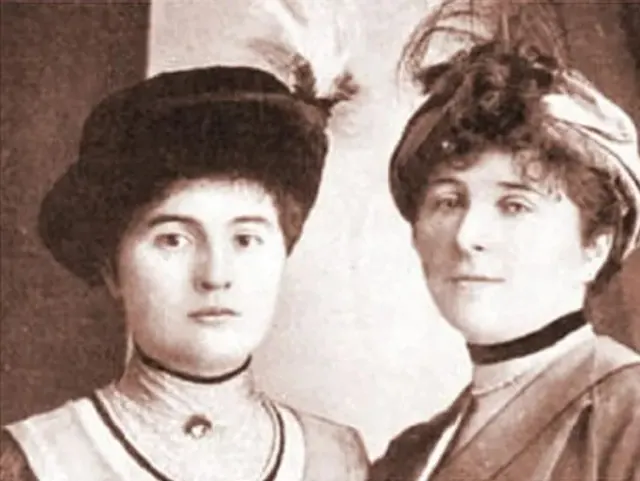
After she left the clinic in 1922, people took Anderson into their homes. Many moved in aristocratic circles. She was able to look through photographs, read about the imperial household and meet people who had known the family. If you were trying to judge her claim on the strength of details she remembered, the visits mattered. There were ways for a guest of those households to hear about the Romanovs. The documents do not trace any single piece of information to a particular conversation or book.
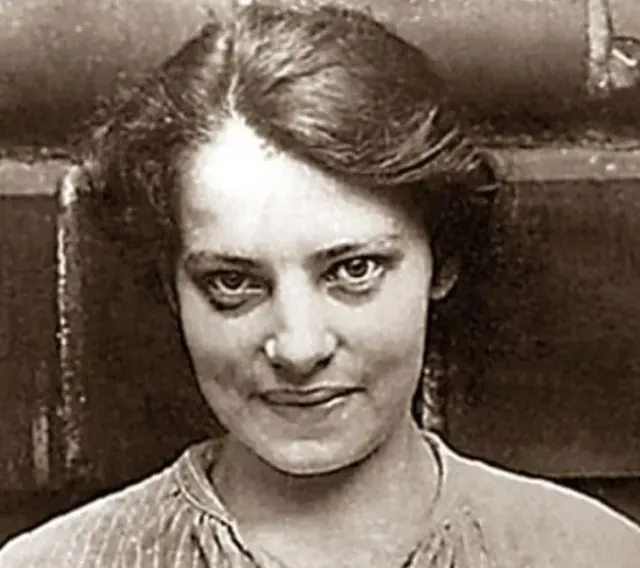
Anderson told people she had been helped out of Russia after the killings. She used the name Anastasia Tschaikowsky in those years. It appears in different spellings in the records, including the newspaper articles her supporters wrote. The name was part of the version of her past she was putting forward. When a newspaper repeated it, a reader had to consider where the story came from. The first-person claim and the paper it was printed on establish what was said and when it reached an audience.
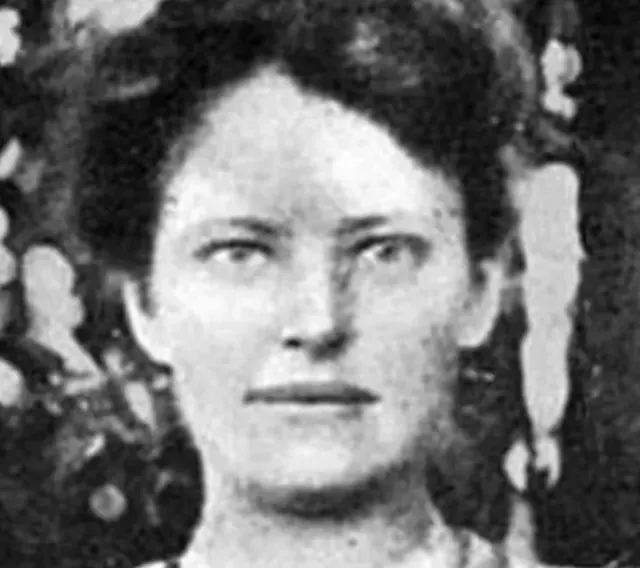
Two of the people who brought it to readers were the artist Harriet von Rathlef-Keilmann and the journalist Gleb Botkin. Rathlef-Keilmann published a book on the claim in 1928. Botkin, the son of the Romanovs' physician, helped Anderson move to the United States that year. His own newspaper series reached readers in English. In it he referred to Anderson as Tchaikovsky and stated his belief that she was the grand duchess. He was writing as someone who had taken her side.
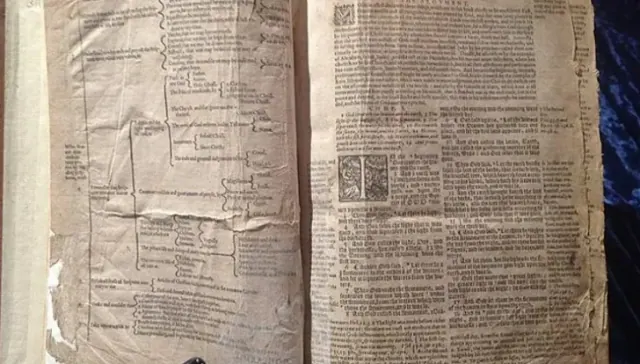
A different name appears in the paperwork for her return to Germany in August 1931. She applied to the German consulate in New York for a passport as Anna Anderson. That was the name she used when she went back. A statement from 1948, preserved in the Bavarian archive, gives another example of how she identified herself. In that document she again claimed to be Anastasia. Both names could appear in accounts of the same woman without telling a reader whether the claim itself had been proved.
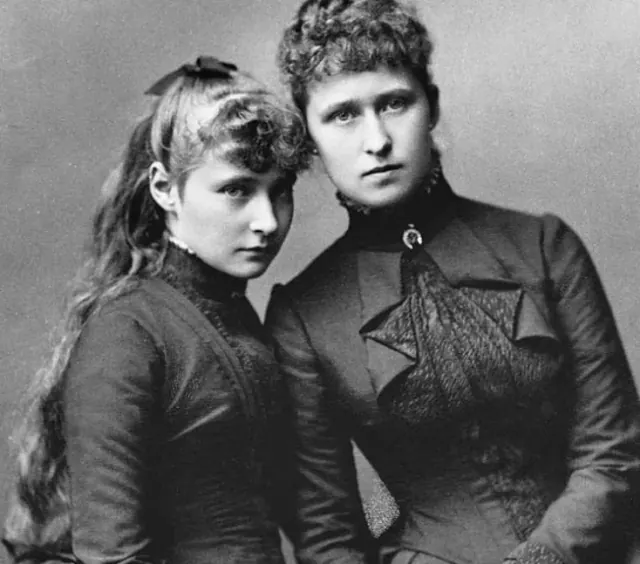
The archive was offered a collection of papers connected with Anderson in 2018. It includes letters, legal files and papers from publishing and film projects, covering the years 1920 to 1990. Anderson kept some of the material, and some came from people who supported or represented her. What those people kept gives the claim a history of its own. Its audience changed as it moved between homes, courtrooms and movie theaters. The different sets of papers tell you which parts of that history each person had a hand in.
The Claim in Court and on Screen
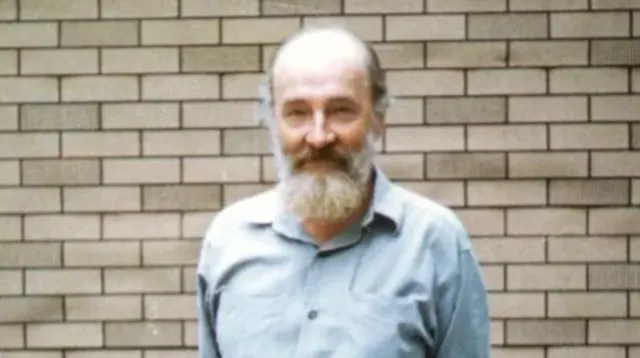
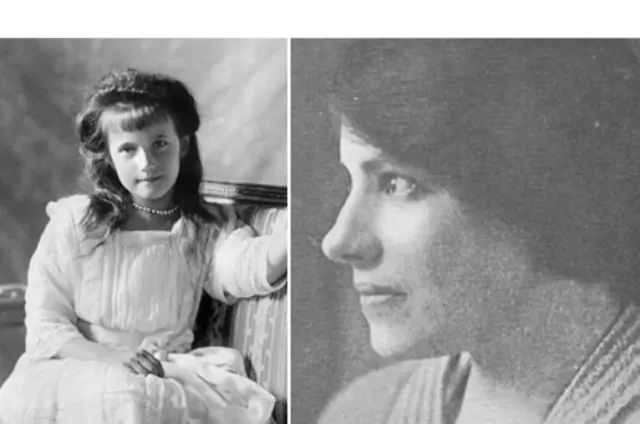
The alternative identity raised in court belonged to a woman from West Prussia. Franziska Schanzkowska had moved to Berlin and worked in a factory. In the published German judgment, her surname is shortened to Scha. The people opposing Anderson's claim argued that the woman before them was Schanzkowska. If they were right, the trail should lead back to people who had known Franziska and records made before the Anastasia story began. As the case went on, the judges had two proposed names and a separate body of evidence to consider for each.
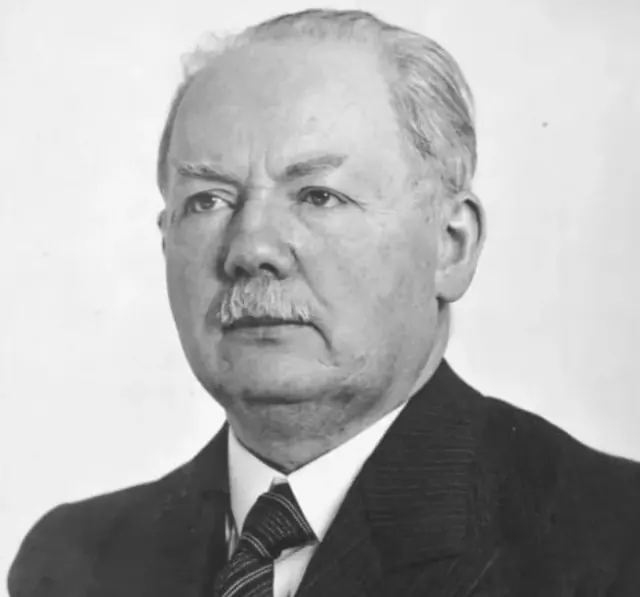
The dispute grew out of attempts to claim part of the Romanov inheritance. Efforts had begun by the late 1920s, and a proceeding was filed in Berlin in 1938. The case that went through the Hamburg courts involved heirs of a sister of Nicholas II. The judges had witness statements and expert opinions to assess. They also had to decide how far each kind of evidence could take them. Someone might sincerely recognize a face without establishing who the person was. A hole in the evidence for Schanzkowska would leave a hole in that case, too.
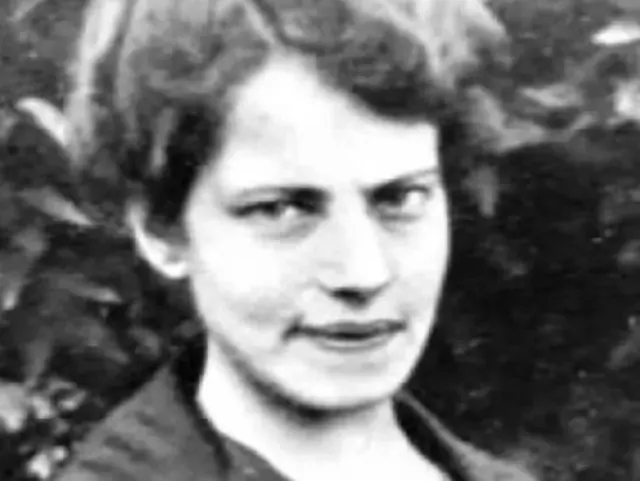
In 1961 the Hamburg court rejected Anderson's claim. The next court rejected her appeal in 1967. Germany's Federal Court upheld the outcome on February 17, 1970. In its decision the court considered how firmly a judge had to be persuaded of a fact as important to the case as someone's identity. Anderson had failed to prove that she was Anastasia, which was the identity her inheritance claim depended on. The judges could come to that conclusion without settling whether she was Franziska. The later DNA work would have a different set of materials to draw on.
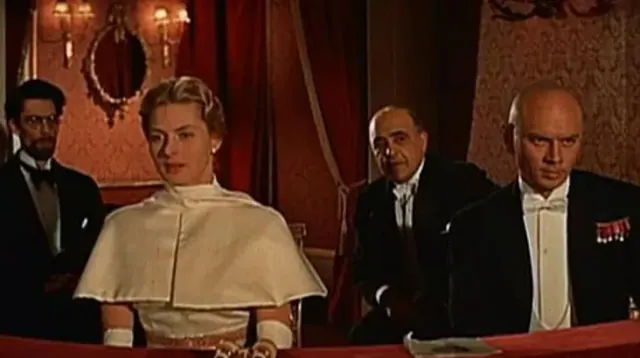
While the case was still making its way through court, the story appeared on movie screens. Anastasia, the 1956 drama starring Ingrid Bergman and Yul Brynner, used the premise of the survival claim in a work of fiction. The following March, Bergman won the Oscar for Best Actress. Filmgoers had a finished story in 1956. Anderson's lawyers and the people contesting her claim were still years from the last court ruling. That gap in dates helps explain how the story could already feel familiar by the time the judges handed down a decision.
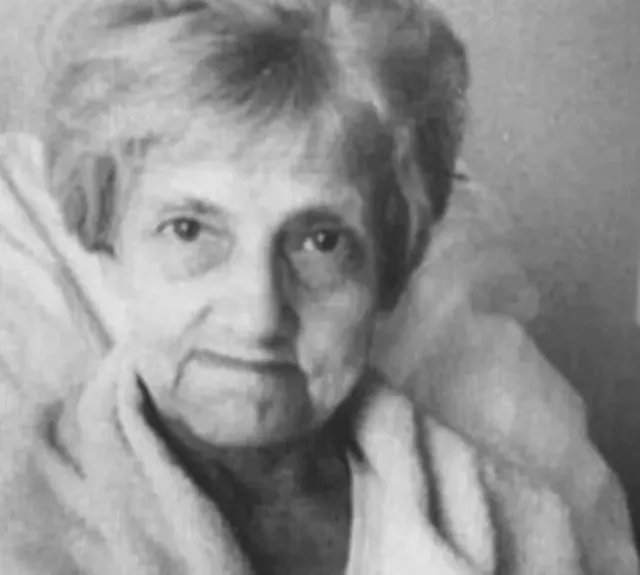
Anderson returned to the United States in 1968, married John Eacott Manahan and lived in Charlottesville, Virginia. She died there in February 1984. In Seeon, Bavaria, her ashes were interred under a stone that bore the name Anastasia Manahan. She carried a version of the name she had asserted in Berlin through the rest of her life. By the time of her death, people had offered decades of testimony and impressions about who she was. The question could finally be put to a different sort of test using a sample taken during her lifetime.
What the DNA Evidence Established
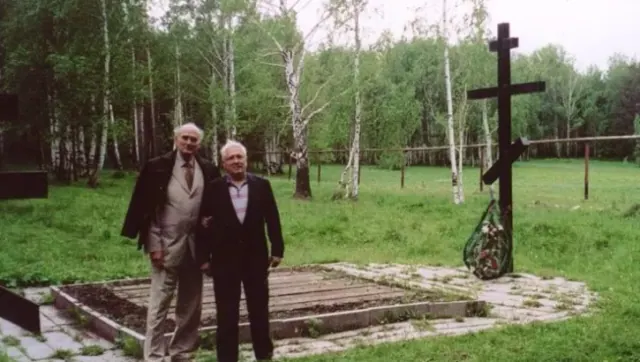
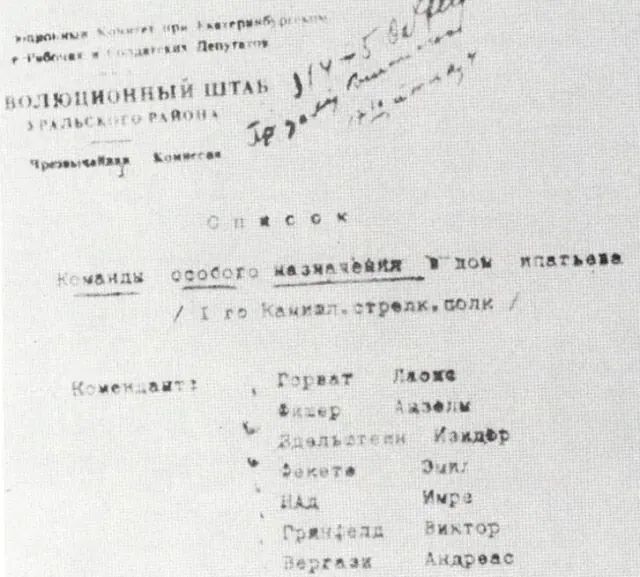
Alexander Avdonin and others located a grave outside Yekaterinburg in the 1970s. It was officially excavated in 1991. The grave held nine people, identified through the investigation as Nicholas, Alexandra, three of their daughters, the physician Yevgeny Botkin and three other members of the household. Alexei was missing, and so was one of the sisters. That was the problem facing the researchers. They could look at the evidence for the people already recovered, but the first grave left two children to account for.
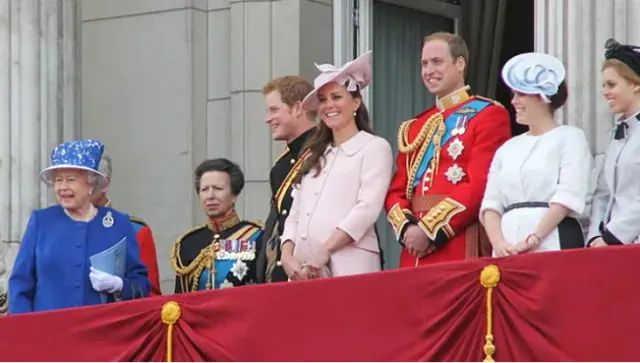
In 1994 Peter Gill and his colleagues reported using markers in nuclear DNA to work out the relationships among people in the grave. They also tested mitochondrial DNA, which mothers pass to both sons and daughters. Prince Philip gave a sample. His mother, Alice of Battenberg, was the daughter of Alexandra's sister Victoria. Philip's mitochondrial DNA matched the sequence found in the remains identified as Alexandra and the three daughters. The relationship explains why his sample mattered. Alexandra's children inherited their mitochondrial DNA from her, so a match to Philip could help identify their maternal line.
A second grave was found near the first in 2007. In a 2009 study, Michael Coble and his colleagues reported that it held a boy and a girl whose DNA fit as children of Nicholas and Alexandra. They could name the boy because Nicholas and Alexandra had only one son. A team led by Evgeny Rogaev had another way to check Nicholas's identity. They compared DNA from the first grave with DNA from blood on a shirt he wore in 1891. The shirt linked a sample from his lifetime to the remains.
By then, the separate Anderson study had been public for years. In 1995, Mark Stoneking, Terry Melton, Peter Gill and colleagues reported testing preserved tissue attributed to Anderson from surgery. Its mitochondrial sequence differed from the one carried by Alexandra's maternal line. It matched the sequence of Karl Maucher, a maternal great-nephew of Franziska Schanzkowska. The mismatch excluded Anderson from the maternal line she claimed. The match strongly supported the Schanzkowska identification, with a qualification familiar from the Romanov tests. More than one person in a maternal line can carry the same sequence.
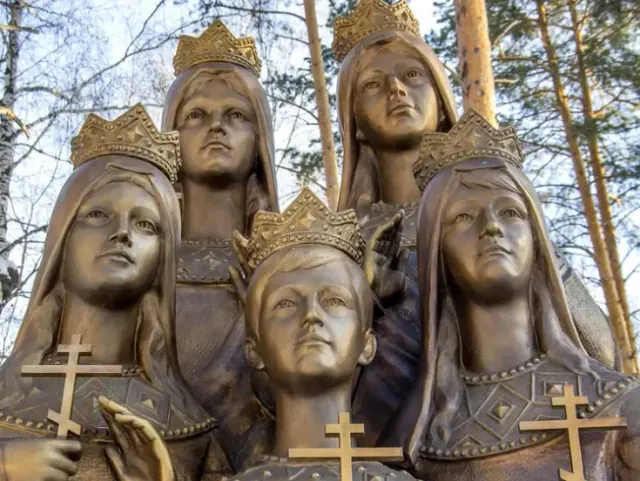
The remains recovered from the first grave were buried at the Peter and Paul Cathedral in St. Petersburg on July 17, 1998, eighty years after the killings. The city's history museum identifies Catherine's Chapel as the place of burial. In 2000 the Russian Orthodox Church canonized Nicholas, Alexandra and their children as passion-bearers. Canonization concerned the religious commemoration of the family. The work of identifying the remains was a separate question, and the second grave would be found seven years later.
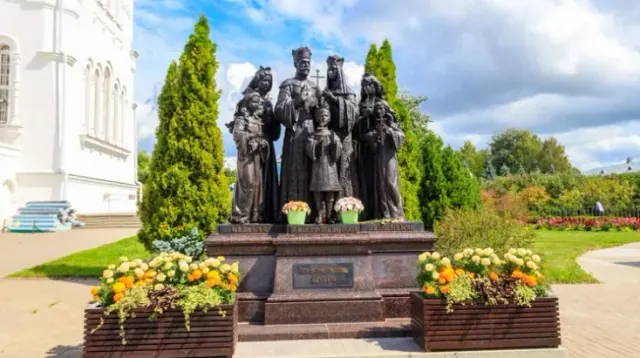
The two studies of the graves could tell the researchers how the people were related. Which daughter lay with Alexei was a more specific question. Russian and American anthropologists had differed on whether she was Maria or Anastasia. The DNA analyzed by Coble's team could establish that she was a daughter of Nicholas and Alexandra, but it could not distinguish the sisters by name. Across the two graves were all five children. Anastasia, the girl her tutor remembered for making people laugh, died with her family in Yekaterinburg in July 1918.