The carriage ride and elaborate ceremony can make a royal wedding look as though every detail is compulsory. It isn't. Couples make personal choices, and customs change over time. One actual legal requirement concerns the sovereign's consent to marriage, which applies to the first six people in line to the throne at the time, not to the entire royal family.
Who sends the invitations?
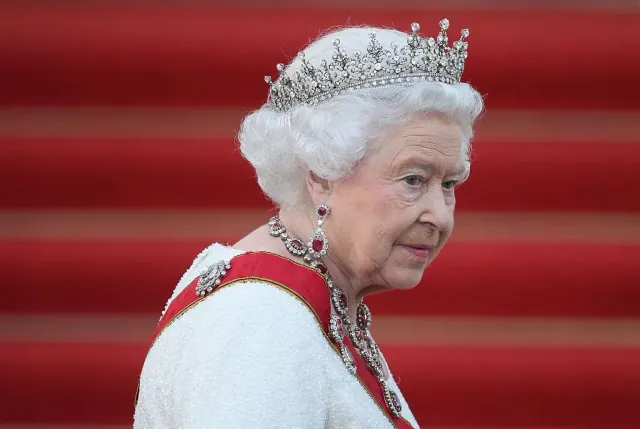
An invitation from the sovereign to a major court occasion, including a wedding, is formally called a command. Debrett's says these are issued by the Lord Chamberlain. That tells you which household office handles the invitation, rather than who chose each guest. Invitations from other members of the royal family aren't sovereign commands.
Who needs the sovereign’s consent?
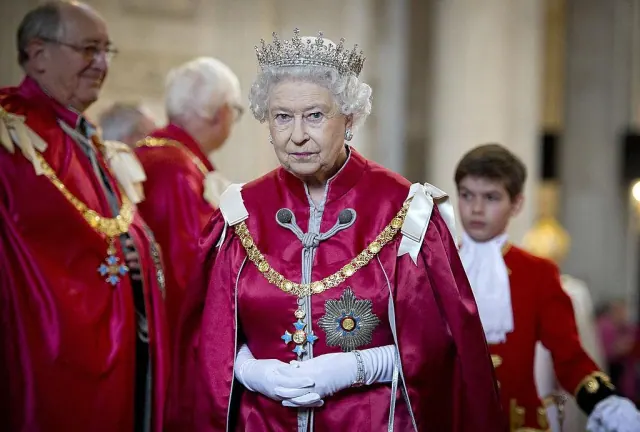
Under the Succession to the Crown Act 2013, the first six people in line to the throne at the time of their marriage need the sovereign's consent before marrying. It replaced the Royal Marriages Act 1772. Marrying without consent doesn't void the marriage, but it does bar that person and any descendants from that marriage from succeeding to the Crown.
The Chapel Royal is one choice
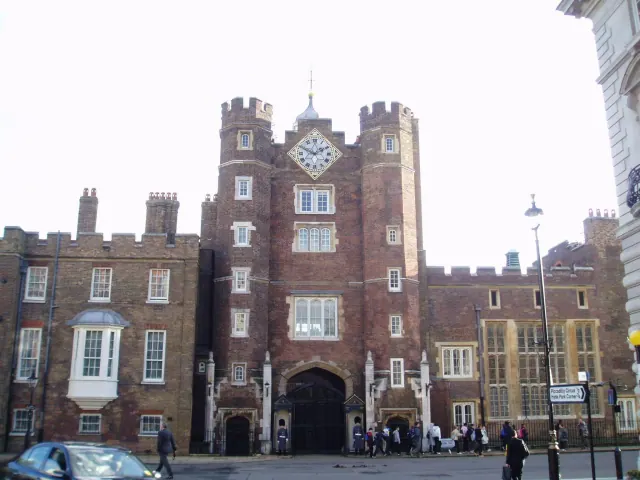
There’s no fixed royal wedding venue. Queen Victoria married Prince Albert in the Chapel Royal at St James’s Palace on 10 February 1840, and George V and Mary married there in 1893. Later couples went elsewhere. William and Catherine chose Westminster Abbey in 2011, and Harry and Meghan picked St George’s Chapel, Windsor, in 2018.
A chapel with a Tudor past
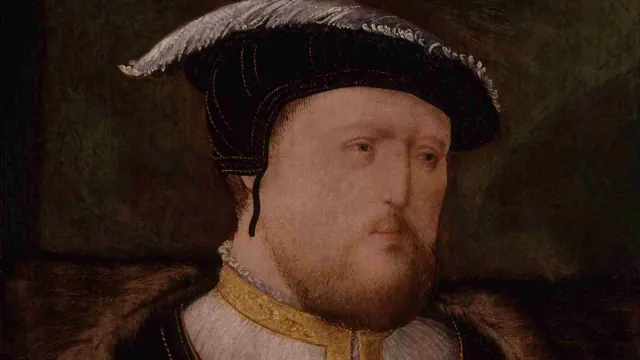
St James’s Palace itself goes back to Henry VIII, who had it built between 1531 and 1536. The site wasn’t empty before that. According to the Royal Collection, a 12th-century hospital for women with leprosy once stood there. The Chapel Royal inside the palace has changed too, and the Royal Household notes that Robert Smirke enlarged it in 1836.
A photograph for the family record
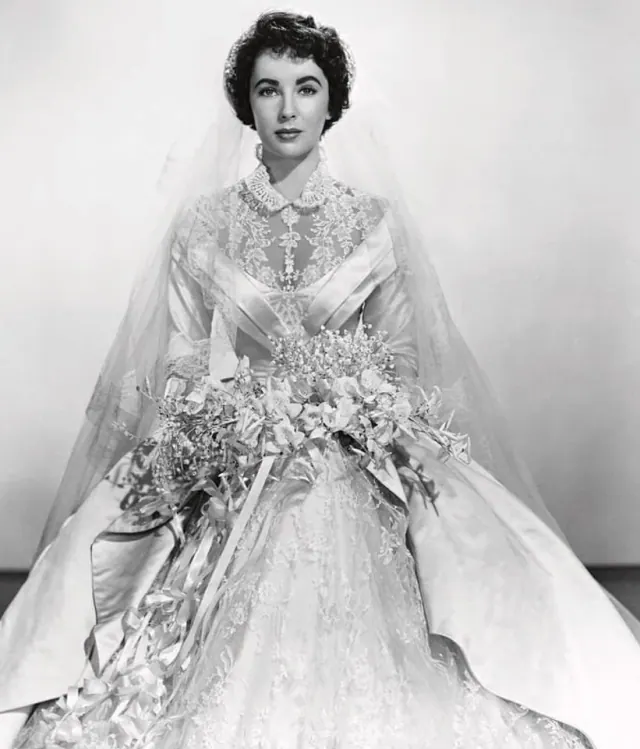
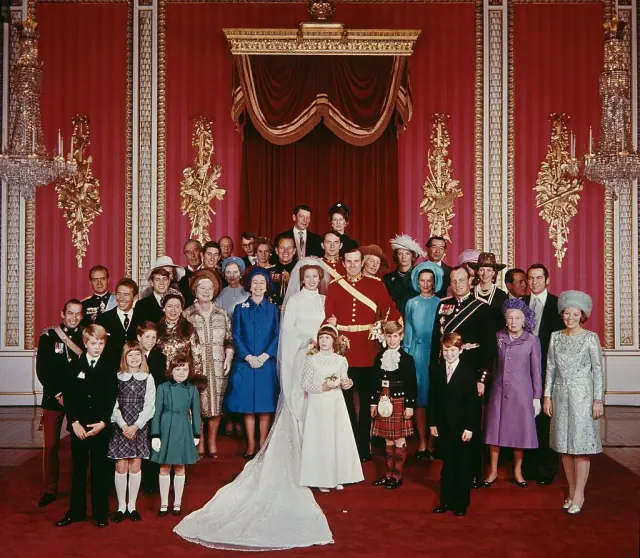
Official wedding photographs are a custom, not a legal step. The Royal Household’s guide to royal wedding traditions describes them being taken between the ceremony and the reception, and dates the practice back to the marriage of Edward VII and Alexandra in 1863. Since then, formal portraits have become a familiar part of the day for royal couples.
A bouquet becomes a tribute
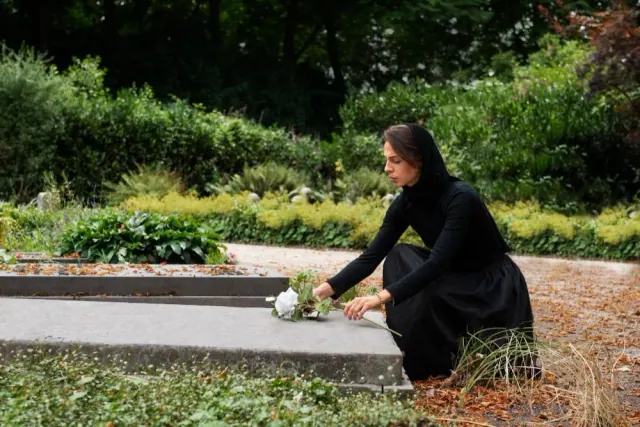
In 1923, Lady Elizabeth Bowes-Lyon, who later became the Queen Mother, laid her bouquet on the grave of the Unknown Warrior in Westminster Abbey. She’d lost a brother in the First World War. Later Abbey brides sent their flowers back to the grave after the ceremony, and some marrying elsewhere have done the same. It’s a custom, not an obligation.
Carriages for the procession
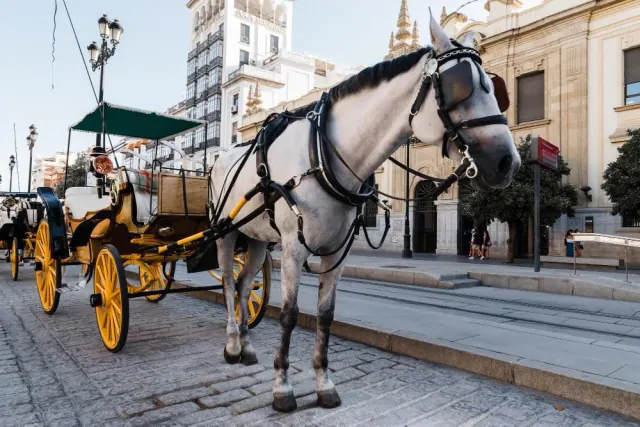
The Royal Household's account of William and Catherine's 2011 wedding describes separate arrangements for arriving at the church and leaving as a married couple. Catherine Middleton travelled from the Goring Hotel to Westminster Abbey by car with her father. After the service, she and William travelled together in a horse-drawn procession to Buckingham Palace.
Welsh gold, with an exception
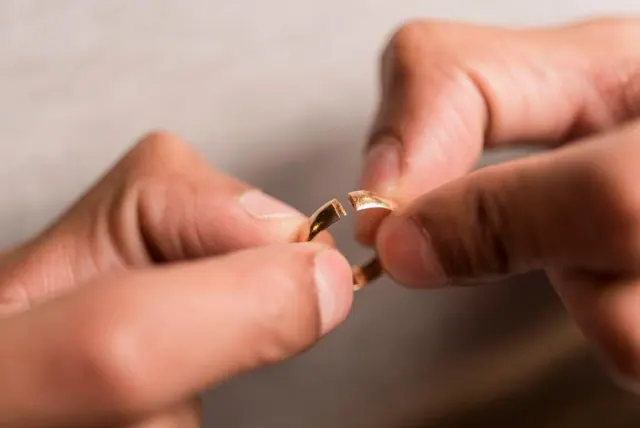
Welsh gold has been used for many royal wedding rings, but you won't find it in every band. The Royal Household's account of Harry and Meghan's wedding in 2018 says Meghan's ring was made from Welsh gold given by the Queen. Harry's was a platinum band with a textured finish.
Hats and the invitation
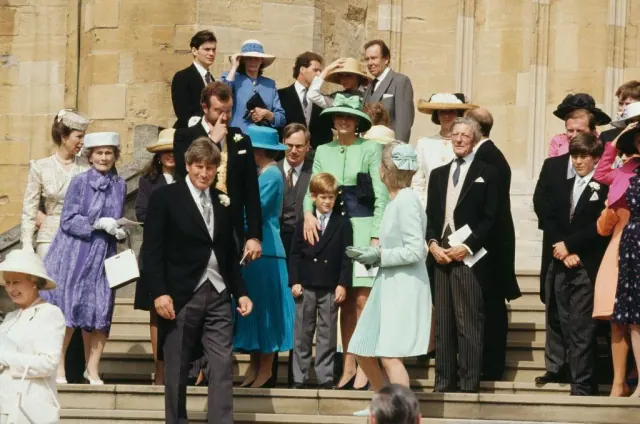
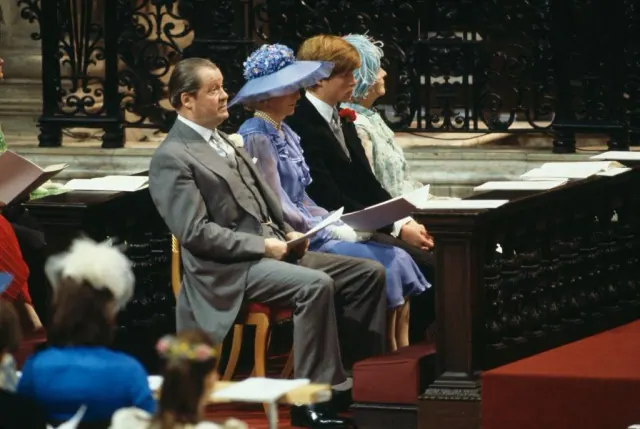
Look at an archival photo of Diana among formally dressed guests and you’ll see plenty of hats. Hats and fascinators are a recognisable part of daytime wedding fashion in Britain, but one picture doesn’t prove a single code for every royal ceremony. What a guest wears depends on the specific invitation and event. It’s etiquette, not succession law.
The cake follows the couple
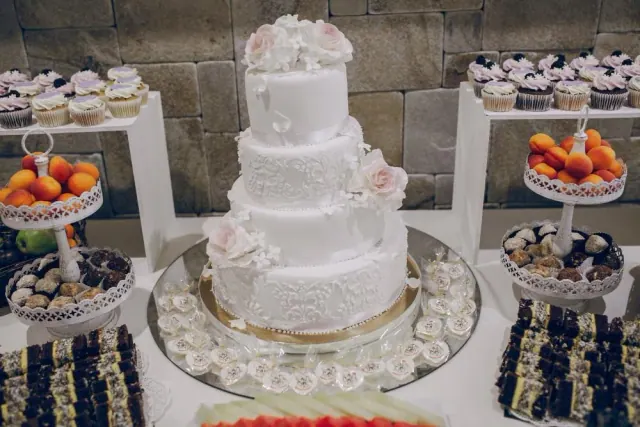
The Royal Household’s own history of royal wedding cakes says the designs reflect the couple, and the 2011 cake shows what that looks like in practice. Fiona Cairns made William and Catherine a traditional fruitcake covered in 900 sugar-paste flowers. Her team spent five weeks preparing them.
Marriage to a Catholic is allowed
Marrying a Roman Catholic no longer disqualifies someone from succeeding to the Crown. The Succession to the Crown Act 2013 removed that restriction, and the change took effect on 26 March 2015. The separate rule about the sovereign's own faith remains: a Roman Catholic still cannot become sovereign under the existing succession rules.
The seating plan needs context
Debrett's gives royal guests precedence at functions and says a top-table seating plan for an event with royalty should go to the private secretary for approval. That's guidance for a table at a formal event. It doesn't tell you which side of a church the royal family must sit on during a wedding.
Victoria’s influence on wedding fashion
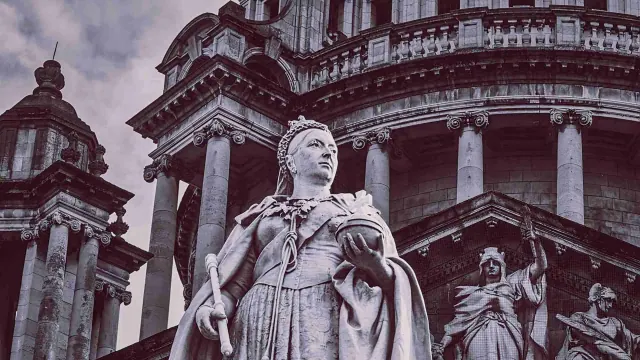
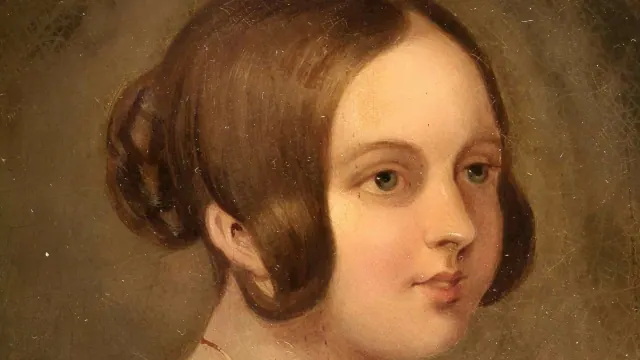
For her wedding in 1840, Victoria chose a white satin court train in place of a crimson velvet robe of state. According to the V&A, newspapers and fashion plates helped spread the ideal of a bride dressed in white, carrying the influence of that wedding beyond the people who attended.
The dress behind the legacy
The Royal Collection's catalogue dates Victoria's wedding gown to 1840 and attributes it to Mary Bettans. She was a long-serving court dressmaker who had worked for Victoria's mother, the Duchess of Kent, from around 1817 and later for Victoria herself. Bettans also had premises in Jermyn Street in London.
The crowds were part of the day
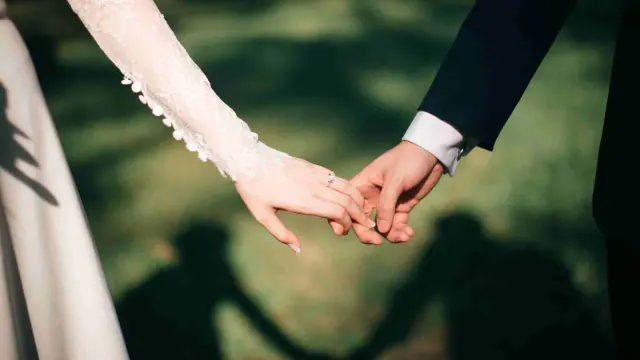
When Victoria emerged from the Chapel Royal at St James's Palace after her 1840 wedding, the waiting crowds greeted her with loud applause. The Royal Collection records that response as part of a longer history of royal wedding celebrations across the country, well before weddings could be followed on radio or film.
Melbourne’s place in Victoria’s life
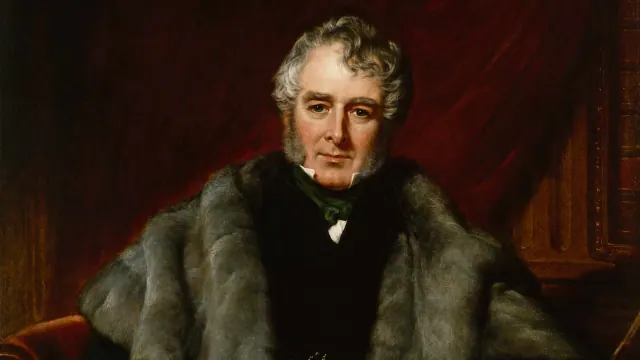
William Lamb, 2nd Viscount Melbourne, was elected to the Commons in 1806 and served as Prime Minister in 1834 and again from 1835 to 1841. He was Victoria’s first Prime Minister and acted as a mentor early in her reign.
The procession beyond the chapel
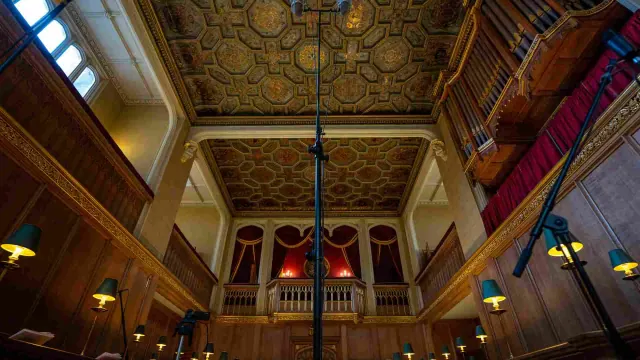
After their wedding at the Chapel Royal in 1840, Victoria and Albert travelled by carriage to Windsor Castle. London Museum records thousands of Londoners gathering for the occasion. The ceremony itself took place at around 1pm, an afternoon timing the museum describes as unusual for a royal wedding at the time.
A white dress was not everyone’s choice
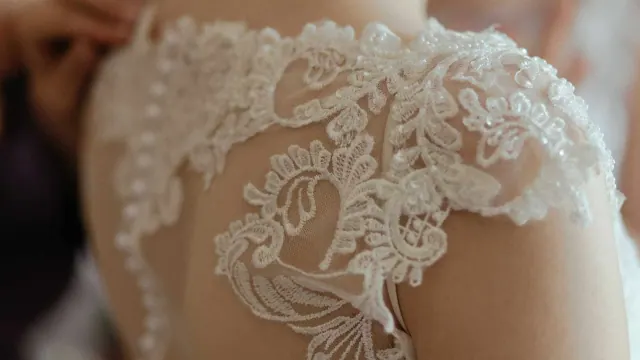
White wasn't the only option before Victoria's wedding, and it didn't become everyone's choice afterwards. The V&A records earlier wedding dresses in red, pink, blue, brown and black. Coloured and patterned fabrics continued to be worn after 1840, especially by less wealthy brides who needed an affordable dress they could use again.
The lace helps explain the colour
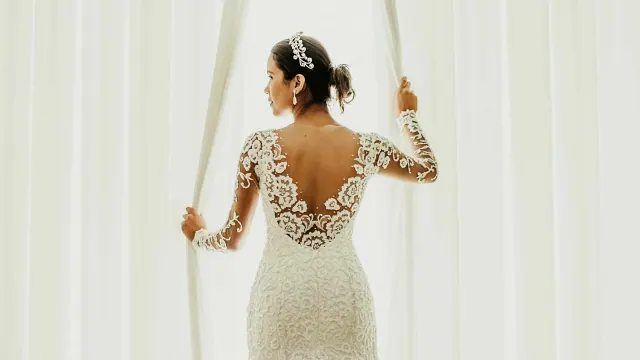
Victoria’s gown wasn’t only about looks. The Royal Collection records that its Honiton lace was commissioned to support the Devon lace industry, and the silk came from Spitalfields in England. The V&A adds that white showed off the lace best. So the colour choice mixed patriotism, practicality and ideas of purity.
Fashion spreads through examples
A dress documented by the V&A shows what one bride wore the year after Victoria's wedding. Sarah Maria Wright married agricultural labourer Daniel Neal in 1841 in a patterned dress. Its printed fabric is a surviving example of coloured wedding clothing from the period when Victoria's white gown was influencing fashion.
A cake made for sharing
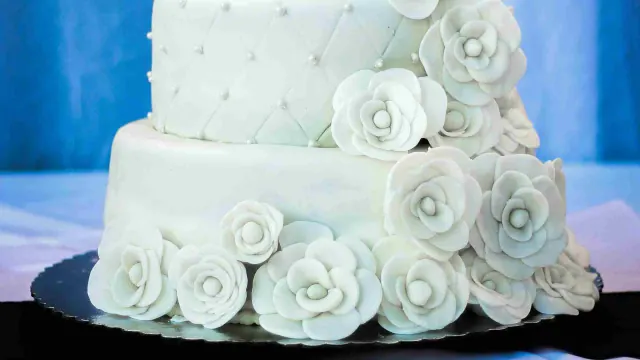
John Mauditt made Victoria and Albert's wedding cake in 1840. According to the Royal Collection, it measured three metres in circumference and weighed more than 140kg, with a figure of Britannia blessing figures of the bride and groom. Multiple cakes were distributed to guests and others as part of the celebrations.
Victoria’s own account
In the journal entry for her wedding day in 1840, Victoria wrote, “This was the happiest day of my life.” Her own account, reproduced in Royal Collection teaching material, also describes her love for Albert. After the ceremony at the Chapel Royal, the married couple returned to Windsor.
Different weddings, different guest lists
Westminster Abbey’s account of the 2011 wedding puts the congregation at around 2,000, including foreign royalty, government figures, Commonwealth representatives, friends, and people from sport and entertainment. The 2018 official record mentions 2,640 members of the public invited into the castle grounds at Windsor, which is a separate thing from the chapel congregation.