
The Reported Reason for the Red Slippers
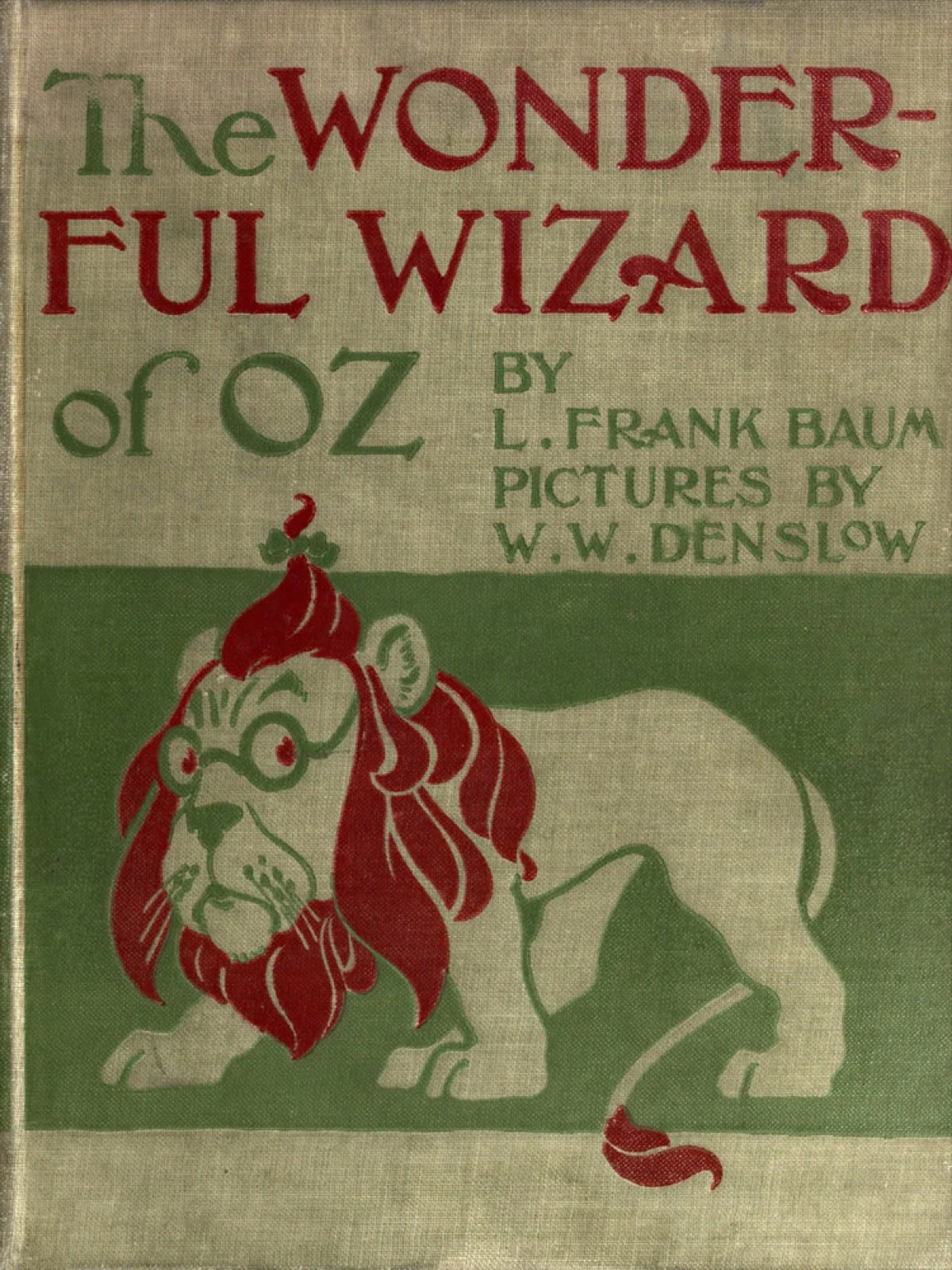
The Library of Congress presents a pair of ruby slippers in its Wizard of Oz exhibition. The shoes under Dorothy in L. Frank Baum’s 1900 novel are silver instead. The Project Gutenberg edition describes them as silver shoes and gives them a sound on the brick road. The two versions give a small and ordinary object a job a reader or viewer can remember well after the story has moved on.
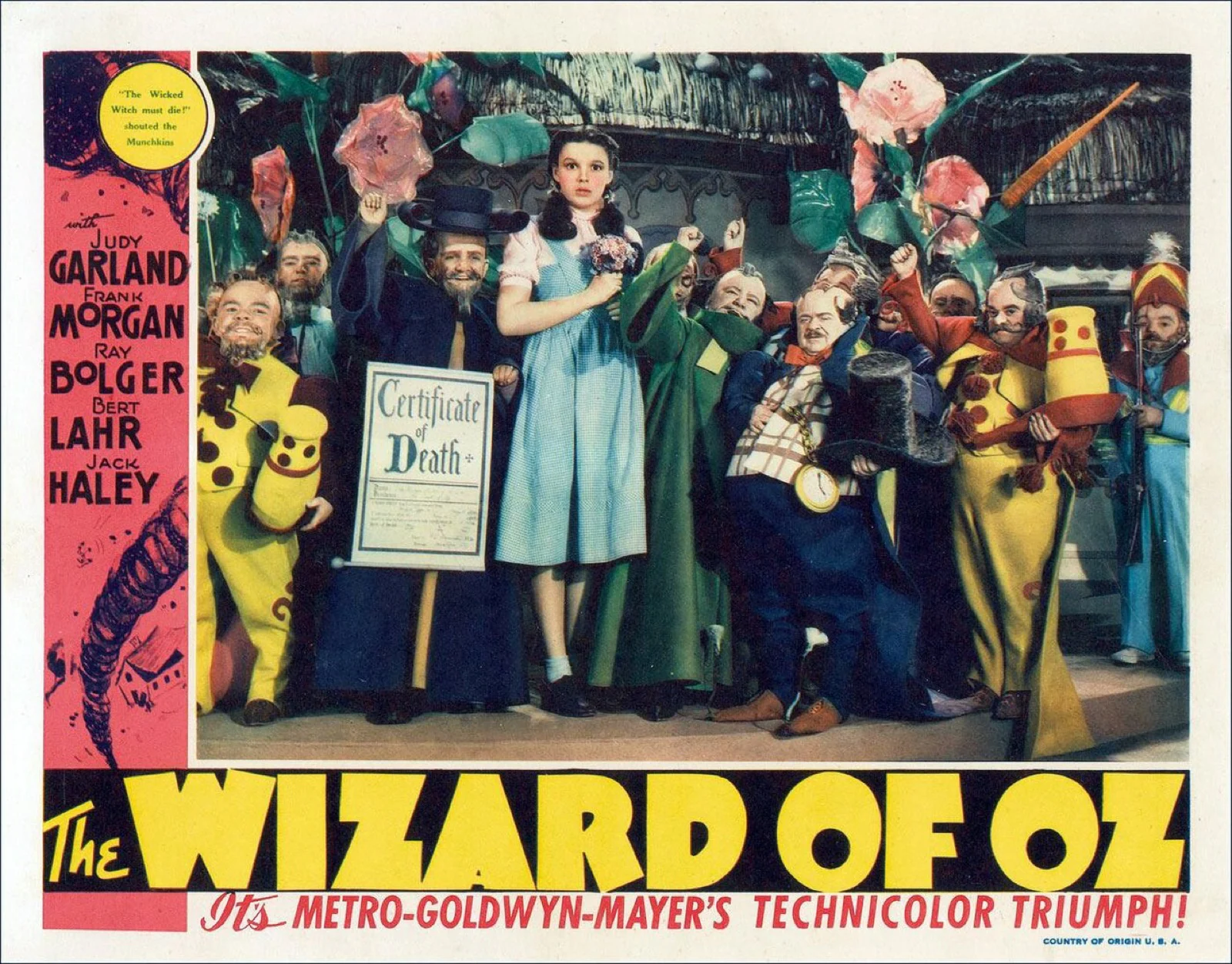
The Library of Congress says red was reportedly chosen to take advantage of color photography. That puts the color change in the world of film. A reader of the book already knows what a pair of silver shoes can do for Dorothy. The audience looking at the same character in a movie gets a detail the camera can use.
In the novel, Dorothy receives the shoes after her house lands in Oz. The Witch of the North places them in front of her and says the Witch of the East was proud of them. Dorothy’s own shoes are worn, and she chooses the silver pair over them because the walk ahead is long. The first thing the book gives the shoes is a practical job.
The text gives the shoes a sound. When Dorothy travels, Baum describes them making a noise against the hard yellow bricks. That gives the scene another way to keep the shoes in mind as she walks. Try reading the passage with the color out of your head for a moment. You can still tell where she is and what she is wearing from the sound.
From Sensible Footwear to Borrowed Power
The shoes change role near the end. Glinda explains that they can carry Dorothy over the desert. Dorothy clicks her heels three times, and she lands near home. The shoes are not with her when she arrives. The two figures who help Dorothy at the start and the end are different characters in the book. The Witch of the North hands over the shoes, and Glinda explains what they can do.
Taken together, the book’s use of the shoes runs in three steps. They are suitable for a long walk, they make a sound on the road, and eventually they carry power. That progression is carried entirely by words. A viewer who knows the novel might watch the film asking which of those qualities the costume makes visible.
The Designs Before the Red Pair
The Library of Congress describes several designs for the slippers. Different ruby footwear designs came before the chosen version, and the exhibit notes that one of them resembled the silver shoes. That detail complicates a simple swap story. The version with jeweled bows was only one of several designs the production considered.
The selected design was a pair of hand-sequined pumps with flat jeweled bows. The exhibit describes red satin covering the shoes and gives a count of 2,300 sequins per shoe. You can identify that design from the material and the trim even without a person wearing it. That is a different kind of detail from the color Baum names while Dorothy is getting ready to walk.
The movie wardrobe borrowed from the book in other ways. The Library of Congress notes that W. W. Denslow’s pictures for the first edition guided the look of the main characters in 1939. Compare that with the 1925 version and the characters look markedly different. The book also went to the stage as a musical. A 1901 copyright application for the music and lyrics named Baum and composer Paul Tietjens. Denslow designed the envelope holding that application, giving a surviving object from the musical a connection to the first edition, too.
The Pair on Display
The exhibition shows a privately held pair believed to have been used mainly for close-ups. A separate part of the exhibit discusses the cameras MGM used on its sets. The Library of Congress describes as many as nine cameras on the large sets, including ones hidden for close-ups. The main camera moved on a boom to show the whole scene. One setup gave the audience the room and the others could give it individual faces or costumes within the same scene.
The exhibition also points out the lights that Technicolor photography required. They stand out in the pictures taken behind the scenes at MGM. A finished shot can make the scene look like a single place anyone could walk into. A production picture makes it easier to see the rest of the room, including the equipment that made the finished color image possible.
The exhibit also features a heavy felt jacket worn by an Emerald City townsman. Other jackets in that design varied in the loop pattern on the yoke. The point of looking at the jacket after the slippers is that the clothes for the crowd scenes have small details of their own. Look at the yoke beside the bows on the slippers and those details are easier to pick out.
Other Choices Behind the Film
The exhibit also holds material that is not about shoes at all. It describes publicity stills of Dorothy and the Scarecrow meeting the Tin Man while the Wicked Witch watches. A separate production still identifies producer Mervyn Le Roy and director Victor Fleming. Another item identifies Herbert Stothart conducting music for a scene that was later cut.
A set image and a surviving costume capture different moments in the work. Those photos show the people and equipment behind the movie. The slippers and the heavy felt jacket show the materials designers were working with. The red that viewers remember is one small part of a wardrobe the exhibit describes as almost 1,000 costumes.
Reading the Book and Looking at the Shoes
There are several ways to revisit that road now. The novel makes the shoes audible on the bricks. A look at the film reveals how much a costume can contribute to the scene even before someone explains what the shoes do. If you pause on a costume detail, look once at the shoe and once at the set around it. Then go back to the short passage where Dorothy decides what to wear for the long walk.