
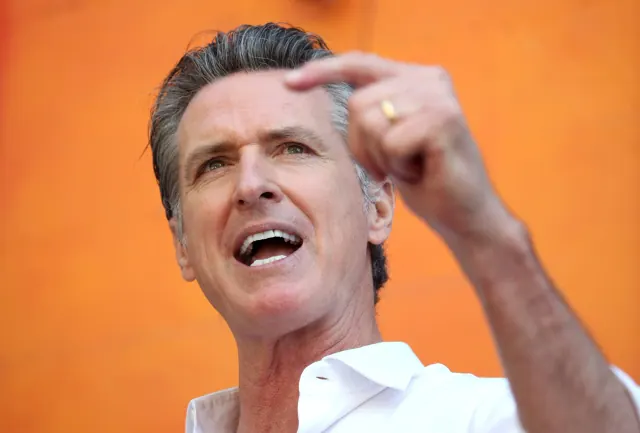
California Governor Gavin Newsom signed two performer-focused digital-replica bills on September 17, 2024, at SAG-AFTRA's Los Angeles headquarters. AB 2602 and AB 1836 addressed different problems: the terms someone agrees to while alive, and certain commercial uses of a deceased performer's voice or likeness.
They were part of the entertainment industry's response to digital technology that can reproduce aspects of a performance. The laws weren't a blanket ban on artificial intelligence, and their protections shouldn't be reduced to a promise that no replica can ever appear.
AB 2602 Focused on Contract Provisions
The union described AB 2602 as targeting provisions that allow a digital replica to replace services the person would otherwise perform. The intended use needs a reasonably specific description, with legal counsel or union representation relevant to the negotiation.
That focus matters. The question isn't simply if a contract contains the word AI. It is what the provision permits, how it describes the replica's intended use and the circumstances in which the performer agreed. A broad release of rights and a clearly described arrangement aren't the same thing.
AB 1836 Addressed Deceased Performers
The second law concerned certain unauthorized digital replicas of deceased personalities in commercial works, including films, recordings and games. It strengthened the role of the rights holder in consenting to covered uses. California's postmortem publicity-rights framework includes a seventy-year period.
Coverage has legal limits and exceptions; the existence of a replica doesn't automatically establish a violation. An estate's permission, the kind of work and the particular use can matter. Anyone handling an actual production agreement needs advice on the applicable law, rather than relying on a short entertainment-news summary.
A Separate Layer From Union Contracts
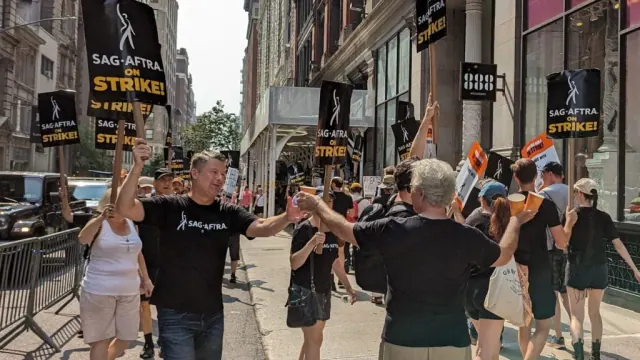
SAG-AFTRA had also negotiated digital-replica protections through its contracts, following the 2023 film and television strike. A collective bargaining agreement and a state statute do different jobs. Their coverage shouldn't be assumed identical just because both address voice and likeness.
The September 2024 signing marked a specific legislative development alongside that bargaining work. It didn't mean every concern about future technology had been resolved.
Read the Details Behind the Headline
For performers, the practical issue is what someone is being authorized to reproduce and where that permission can be used. For audiences, the distinction helps explain why consent, representation and commercial reuse appear repeatedly in the debate. These two laws addressed those questions in particular ways, rather than declaring all digital performances unlawful.