
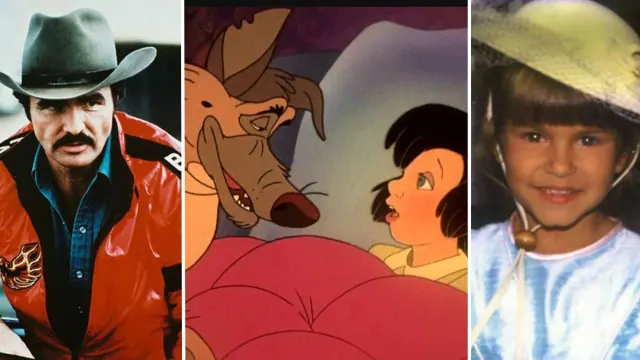
The farewell in All Dogs Go to Heaven is sad before you know anything about its production. Charlie, voiced by Burt Reynolds, says goodbye to Anne-Marie, voiced by Judith Barsi. The 1989 animated film has brought that scene to new audiences through clips shared online.
Knowing that Barsi died before the film was released adds another layer to the moment. It also makes it worth distinguishing her documented life and work from dramatic stories repeated about Reynolds recording the scene.
Judith Barsi Was More Than the Tragedy
Barsi voiced Anne-Marie in All Dogs Go to Heaven and Ducky in The Land Before Time. She also worked in live-action film and television as a child. Her performances remain part of those productions, even for viewers who first encounter her through a short clip.
She and her mother were killed by her father in 1988, when Judith was ten. That fact can be stated without turning the circumstances into graphic entertainment. All Dogs Go to Heaven was released the following year, making its farewell especially poignant for people aware of what had happened.
What the Finished Scene Shows
The scene gives us Reynolds' performance as Charlie and Barsi's voice as Anne-Marie. Charlie offers reassurance while leaving a child he has come to care about. The dialogue and the characters' relationship provide enough reason for the goodbye to affect a viewer.
The released recording doesn't tell us how many takes were made. It also can't show what photograph was in a studio, who was present or what a performer was privately thinking. Those are production-history claims, even when they are attached to a clip from the film.
Where the Viral Version Goes Further
Online retellings have added claims about more than sixty attempts, a closed studio and Reynolds looking at Barsi's photograph. Others say the final words or Anne-Marie's design were changed specifically because of her death. A moving clip isn't evidence for each of those additions.
Without a reliable production account confirming the details, they should stay unverified rather than becoming the explanation for every pause in Reynolds' voice. Emotional plausibility isn't a substitute for a recording record or a direct account from someone involved.
A Film Clip Can Stand on Its Own
New viewers can watch the farewell without needing those extra stories to be true. Barsi's contribution is audible in the film, and her death remains a real loss independent of how a session was conducted. Recognizing that distinction keeps attention on her work instead of making an unsupported anecdote the center of her memory.
The original scene is linked below. It contains the film's farewell and ending, so anyone planning a first watch may prefer to see the full story before opening the clip.