
Halloween returns to screens every autumn, along with questions about where Michael Myers came from. The 1978 film is fiction, not a reconstruction of a real murder case. Its creators drew on several influences when building the quiet, persistent figure at its center.
In the film, babysitter Laurie Strode, played by Jamie Lee Curtis, tries to survive as Michael Myers stalks people in the fictional town of Haddonfield, Illinois. The ordinary streets and houses make his presence particularly disturbing.
In the 2003 documentary Halloween: A Cut Above the Rest, co-writer Debra Hill recalled that the screenplay came together in less than two weeks. The idea was simple enough to explain quickly, but the filmmakers found many ways to build suspense around it.
Halloween helped establish a template for later slasher films. It did not invent horror, and earlier movies had already used stalking killers and sustained suspense. Its influence came from the way it combined those elements, including the camera’s point of view, the editing and Carpenter’s score.
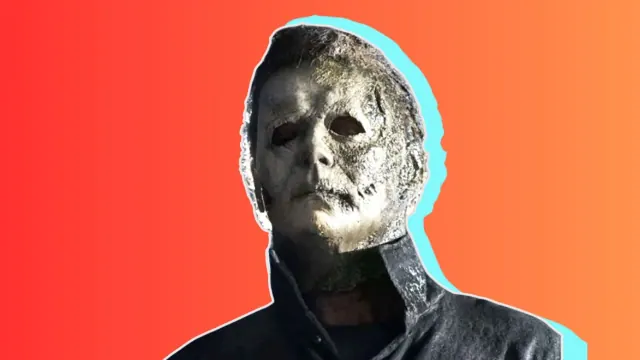
The name, the mask and the character’s apparent refusal to stay down each contribute to the effect. They do not all come from the same supposed true story.
John Carpenter Answers Common Questions
Carpenter has discussed the film’s development in interviews and documentaries. Those recollections are useful for understanding the decisions behind the character without confusing the fictional events with a real criminal case.
Even the familiar title reflects a production decision rather than an account of an actual Halloween killing.
Carpenter credited producer Irwin Yablans with suggesting the Halloween title and holiday setting. Accounts of early development sometimes refer to The Babysitter Murders; the finished film made the holiday central to its atmosphere.
The choice gave the story masks, costumes and a night when a strange figure on the street might not immediately draw alarm. That setting did much of the work before the audience knew anything about Michael.
Was Michael Myers Based on a Real Killer?
The character’s name referred to a real person associated with distributing Carpenter’s earlier film, Assault on Precinct 13. That connection was a tribute to someone who had helped the filmmakers, not a claim that the distributor resembled the killer.
In Halloween: A Cut Above the Rest, Carpenter described that help with the earlier film’s exposure at the London Film Festival. A real name supplied the fictional character’s name; it did not supply the murders in the story.
Carpenter also recalled a visit to a psychiatric hospital while he was a college student. He said a young patient’s stare had unsettled him, and connected that memory with the feeling he wanted the character to create.
That is a filmmaker’s recollection about an impression, not evidence that the child was violent or evil. It should not be treated as a statement about people receiving psychiatric care. Michael Myers is an invented horror figure.
The film gives Dr. Sam Loomis a speech describing his fear of Michael. It belongs to the story’s mythology: the doctor sees something beyond ordinary human behavior in the person he has spent years trying to understand.
Carpenter also discussed the influence of Yul Brynner’s Gunslinger in Westworld, a seemingly unstoppable android. That comparison helps explain Michael’s persistence as a screen villain, even after events that appear as though they should have stopped him.
The intention was to give Michael a mythic quality, rather than a fully explained personality and a tidy motive.
Halloween's True Terror Is the Shape
Michael is often identified as the Shape in the original film’s credits and discussions of the screenplay. The name fits the way he is presented: a figure appearing at the edge of familiar spaces, with little explanation of what he thinks or wants.
The 1978 film leaves much of that uncertainty intact. Its power comes partly from watching Laurie notice danger that other people have not yet understood. Silence and distance can be as unsettling as a sudden attack.
Later installments added their own explanations and relationships. Looking at the original on its own, the gaps are part of the effect. Carpenter and Hill created a fictional presence that viewers could fear without being given a complete account of why he existed.
This article is for informational purposes only. Trendy Matters has no affiliation with any of the brands or people mentioned. The views in this article are that of the author.