
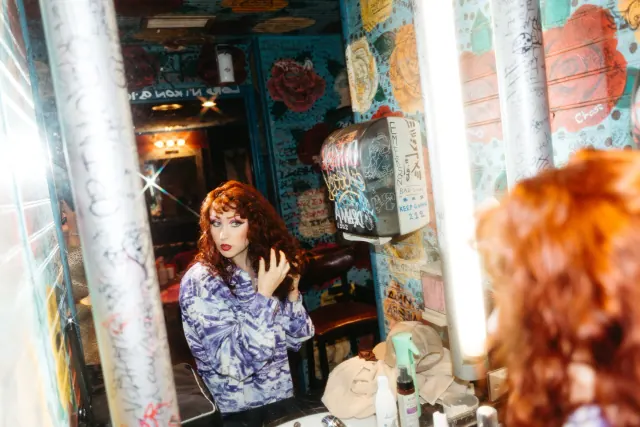
Chappell Roan had plenty of offers to consider during her rise in 2024. In a Rolling Stone interview with Brittany Spanos, she discussed turning down brand partnerships and named H&M as something that didn't fit the artistic world she wanted to build.
It was a statement about her choices at that point in her career. It shouldn't be stretched into a promise that she would never work with any company, or into an environmental campaign she didn't describe in that answer.
The Music Was Her Test
Roan told the magazine she wanted her time and money to serve her music. In that context, an offer's size wasn't enough to make it appealing. She was asking how a partnership would fit the project, rather than treating every new commercial opportunity as an automatic next step.
That is narrower than a blanket judgment about every person who shops at a particular store. It also doesn't establish the private terms of an offer. The interview described her response, not a contract available for the public to inspect.
The Stage Persona Was Deliberate
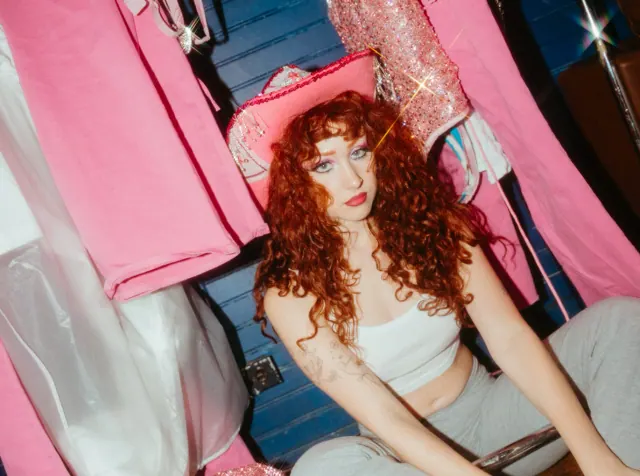
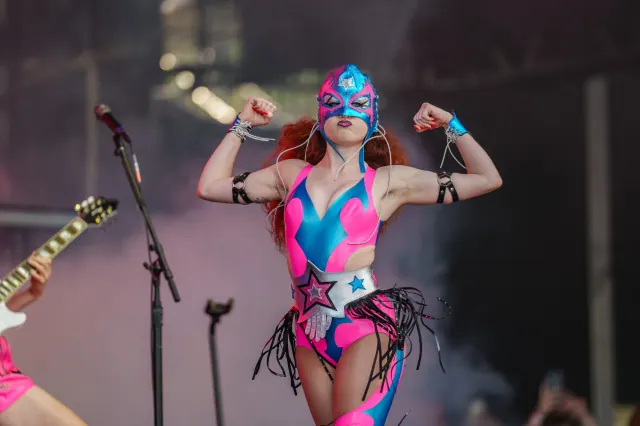
Roan's costumes and presentation drew on drag, theatricality and the world of The Rise and Fall of a Midwest Princess. Those references were part of the work audiences saw, rather than decoration added only after a hit arrived.
A brand can be widely recognizable and still feel out of place in a particular artist's project. That doesn't require guessing how every fan will react or predicting that the artist's style will remain unchanged forever.
Other Conversations Should Stay Separate
The same period brought discussion about Roan's boundaries with fans and the pressures of fame. Those subjects can help explain the demands surrounding a growing career, but they don't prove why every individual offer was rejected.
Likewise, broader criticism of fast fashion doesn't automatically become Roan's reason for this decision. If the stated test was artistic fit, that is the reason the account should preserve.
A Decision Made at a Particular Time
The useful detail is the one Roan supplied: in that 2024 interview, she was willing to decline money for a partnership she didn't want. It leaves room for later decisions to be different, without treating them as a contradiction of a lifetime pledge she hadn't made.