
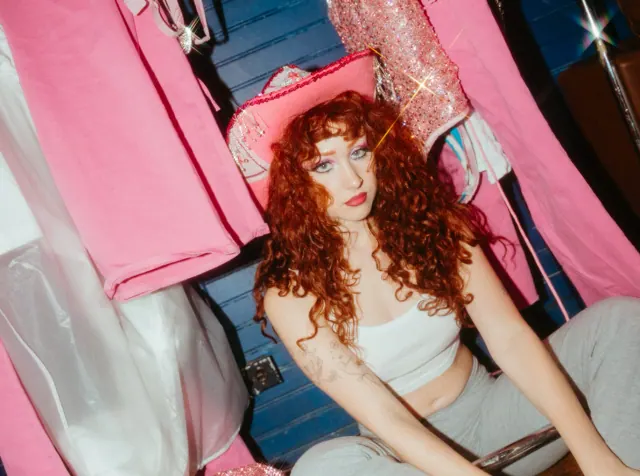
In September 2024, Chappell Roan's refusal to make a conventional presidential endorsement became a story of its own. Some listeners treated her criticism of both major parties as evidence that she supported Donald Trump. Roan then addressed that interpretation herself.
Her response made one point explicit: she wasn't voting for Trump. It also showed why a celebrity's decision about an endorsement can become tangled with assumptions about how that person will vote.
The distinction she was making
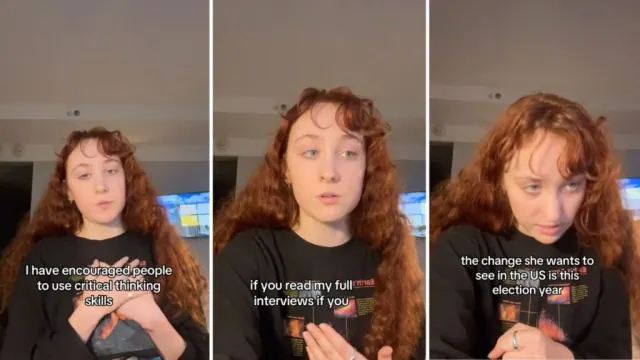
Roan had criticized problems in government and urged people to investigate candidates and policies. That wasn't the same as saying the candidates were identical, or announcing support for the Republican nominee.
The argument spread during a period when other prominent musicians were endorsing Kamala Harris. Comparisons between their statements made Roan's different approach more conspicuous, but another artist's decision didn't supply the meaning of her own words.
She answered in her own video
Roan’s TikTok response came on September 24, 2024. Her message was that she was not voting for Trump. She also said people had taken her encouragement to ask questions and think critically out of context.
Rather than relying on claims circulating about her, she asked listeners to hear her position from her. She continued to defend questioning people in power.
That response did not end the disagreement over her approach. Someone could still believe she should endorse a candidate. But that criticism should be made on its own terms: withholding an endorsement does not establish an endorsement of the other candidate, particularly when she had expressly rejected support for Trump.
A wider argument about access to celebrities
In August 2024, Roan had spoken about unwanted contact and harassment. Those comments concerned the boundary between her personal life and her public career, at a time when her fame was bringing increased attention.
They did not explain every political comment she made afterwards. They are useful context for the attention around her, rather than a reason to assume access to all her private decisions.
Fans can criticize what a performer says. A performer can also choose how much to share. Neither changes the need to get a claim about someone’s vote right.
This is an account of the 2024 exchange. Roan’s public correction belongs in it, so that an old misunderstanding is not offered to readers again as a new development.