
One small object, two kinds of wearer
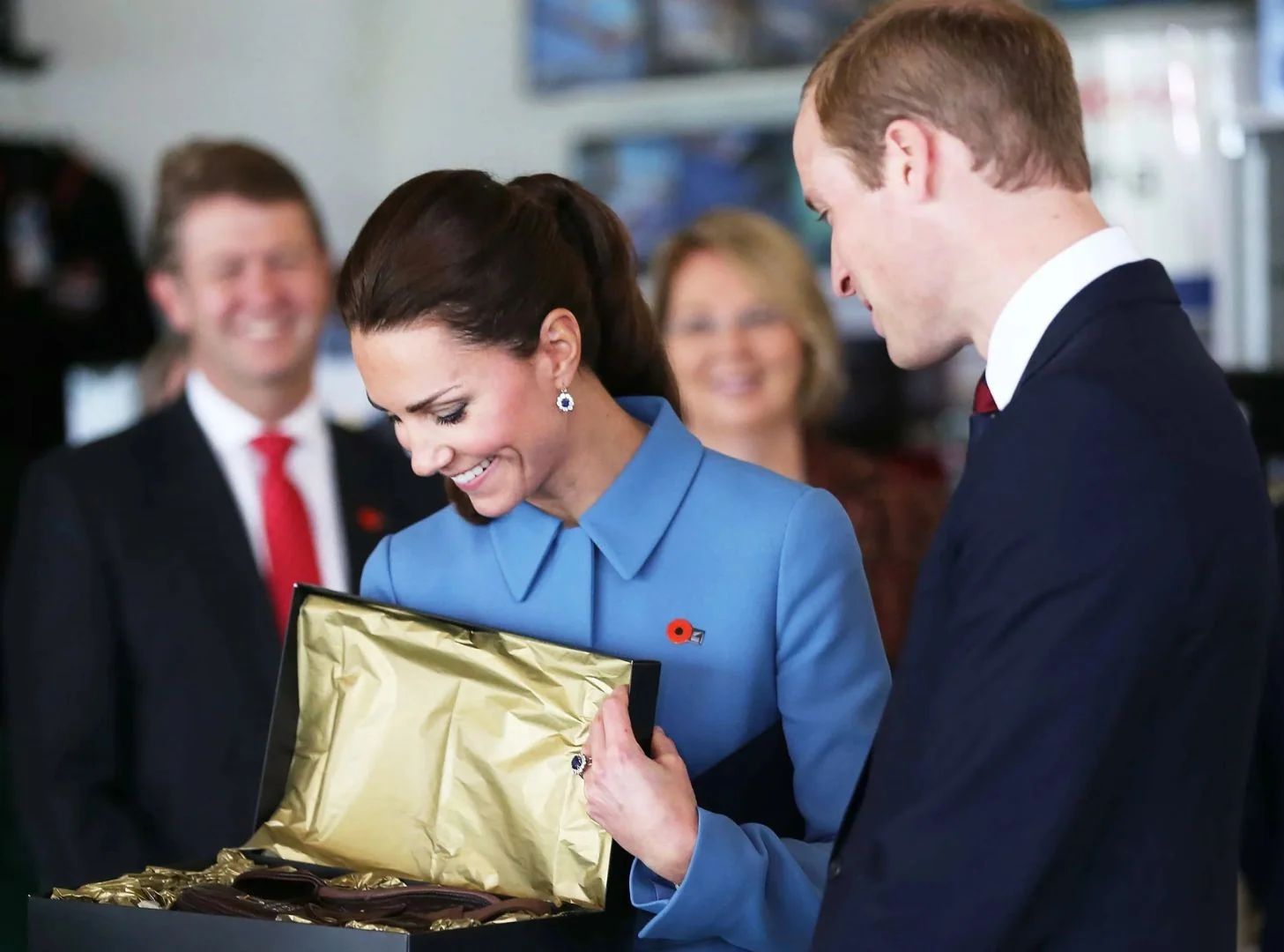
A red poppy pinned to a coat is small enough to miss until you know to look for it. The Royal Family says on its official remembrance page that members wear red poppies in November, and it names remembrance and hope as the symbolism. The same flower also appears in wreaths at the national service.
What makes the object interesting is who else is wearing it. The Royal British Legion describes wearing a poppy as a gesture of remembrance, support for the Armed Forces community and hope for peace. The Royal Family's own wording overlaps with that, naming remembrance and hope. A member of the Royal Family and a commuter can therefore wear a red poppy and, on the Legion's description, make the same kind of gesture. The flower gives the two wearers something in common that you can see.
How the poppy reached Britain
John McCrae wrote In Flanders Fields in May 1915, after the death of a friend and colleague on the battlefield. Punch published the poem that December. The Royal British Legion ties its flower to the poppies that soldiers saw growing on the battlefields in France and Belgium. Some picked the flowers as keepsakes or tucked them into letters home. The fields named in the poem are part of the Legion’s explanation of how the red flower became associated with wartime remembrance.
Moina Michael responded to the poem in 1918 and went on to campaign for the poppy as a symbol of remembrance. The Legion also names Anna Guérin, who approached the British Legion in 1921. The Legion describes a French lecturer with samples made by French women, who were raising money for children in regions badly damaged by the war.
The samples were flowers people could wear. Guérin asked the British Legion to adopt the poppy for fundraising. The Legion says it ordered a million, then another eight million from British manufacturers after Earl Haig called for November 11 to be a poppy day. The flowers sold out, according to the Legion. The Legion says it founded the Poppy Factory in 1922 to make its own flowers. It employed former service personnel with disabilities. By then the symbol was also attached to a place where former service members could work. The Legion says the first appeal raised over £100,000 to help veterans with housing and jobs.
A symbol with more than one design
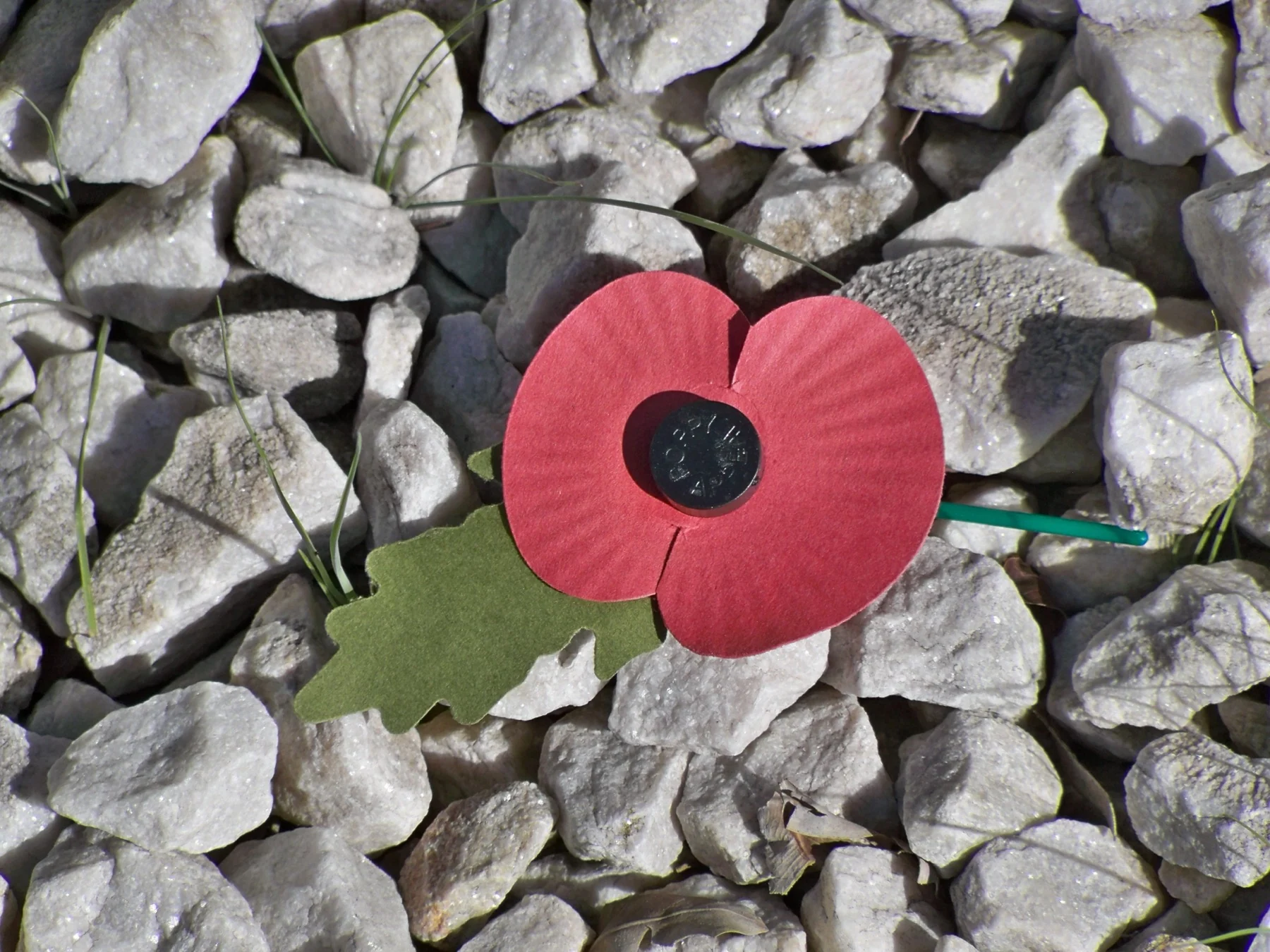
The poppy is not one fixed design. The Royal British Legion says the Scottish poppy has four petals and no leaf. The Lady Haig Poppy Factory, which it dates to 1926, produces the Scottish poppies distributed by Poppyscotland. The Legion introduced a plastic-free paper design in 2023. It says some fibre in the red and green paper comes from coffee-cup manufacturing waste. The flowers are made with paper cut and crimped into shape. The Legion also says the new paper design can go into ordinary household paper recycling after Remembrance Sunday. That is a practical change for someone deciding what to do with a poppy after wearing it. The Legion says the paper comes from a specialist manufacturer, James Cropper. It puts the length of paper produced for the poppies at more than four miles a year.
The official ceremony and its dates
The Royal Family's remembrance page separates the national ceremony from local commemorations and sets out the dates. Remembrance Sunday is the second Sunday in November. In 2026 it fell on 8 November. Armistice Day is 11 November. The two dates sat three days apart this year, so a wreath-laying on Sunday and an observance on Wednesday could both form part of the same week.
The Festival of Remembrance takes place at the Royal Albert Hall on the Saturday before Remembrance Sunday. The Royal Family’s page identifies it as a separate evening of music, military displays and commemoration. The event raises funds for veterans and their families. The National Service of Remembrance takes place the following morning at the Cenotaph in Whitehall, in central London.
George V unveiled the Cenotaph, designed by Edwin Lutyens, in 1920. The Royal Family describes the order of the national service held there. At 11 a.m. comes a two-minute silence. The Last Post follows, and then wreaths are laid at the foot of the monument. After the service and the King’s departure, veterans march past the Cenotaph.
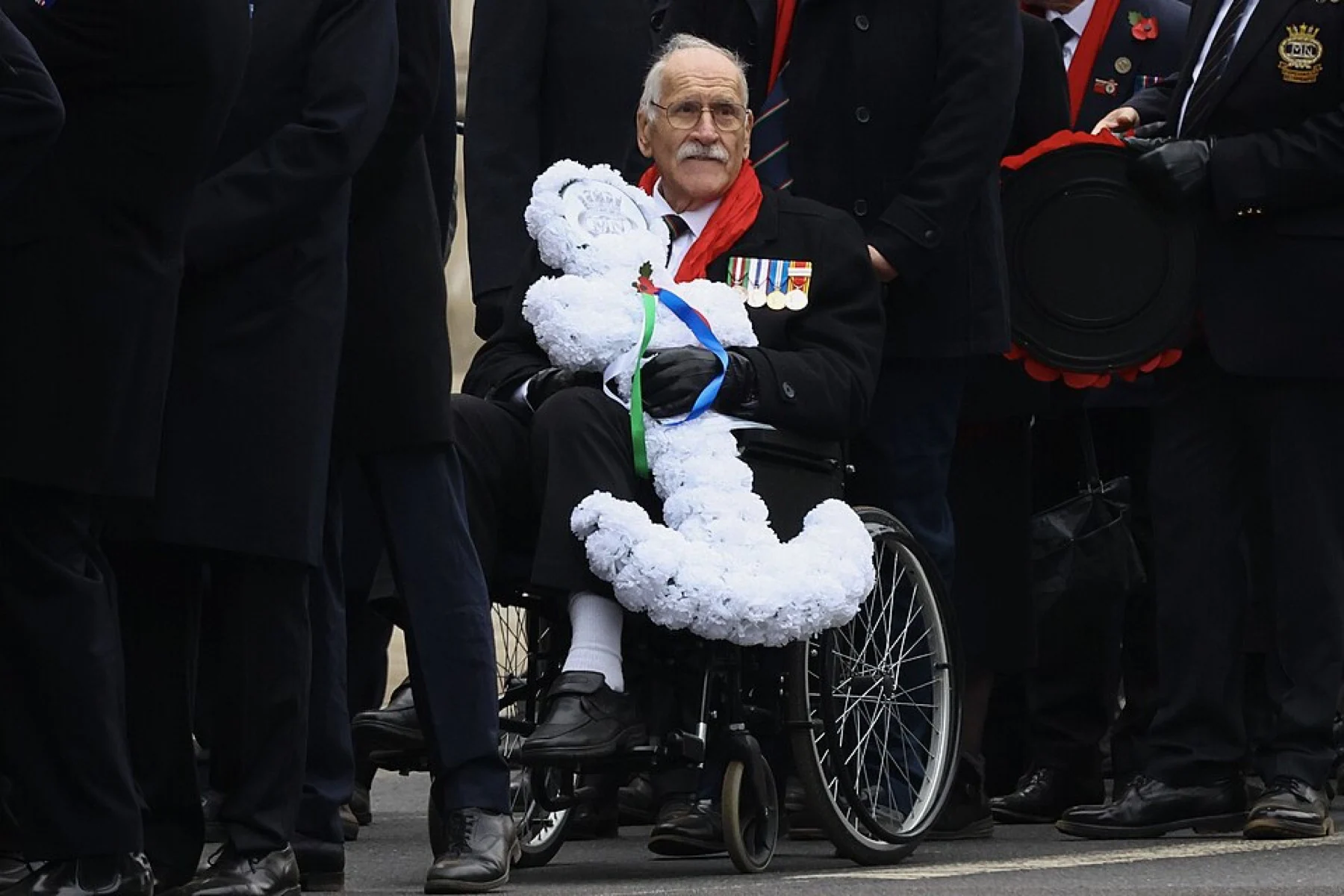
The service in London has a particular time and place. The Royal Family also describes commemorations away from the capital. A national photograph can show who was at the Cenotaph and where the wreaths were placed. It leaves out the people who mark the day without a poppy and people attending local ceremonies elsewhere.
From wreaths to paper poppies
A wreath gathers many poppies into a single tribute. The Royal British Legion describes flowers placed on wooden tributes and in cemeteries and Fields of Remembrance. A paper poppy pinned to a coat goes wherever its wearer goes. You can see either kind of tribute without standing anywhere near the London service.
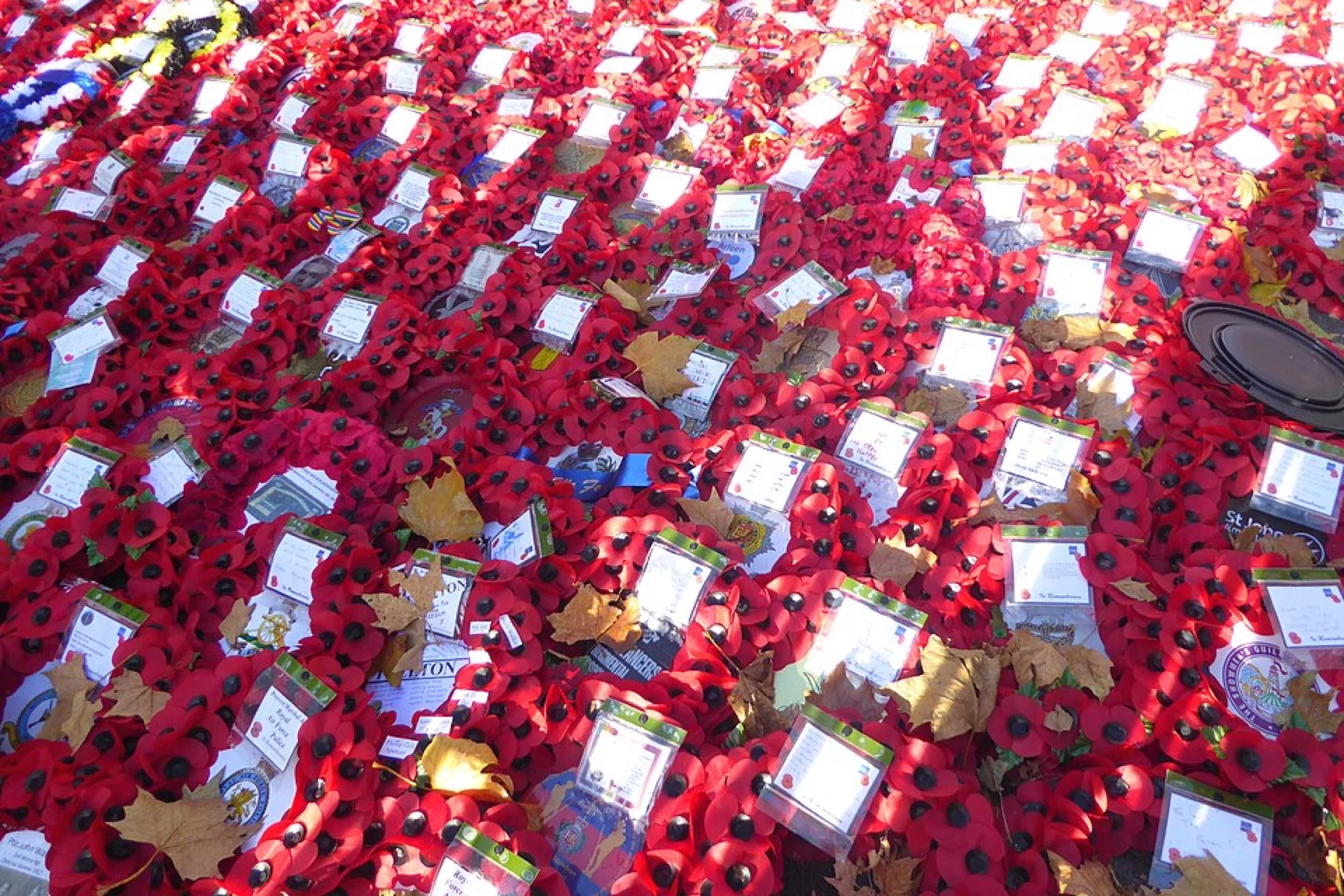
The Legion lists enamel pins alongside the paper poppy and says people also crochet, draw and sculpt the flowers. Its account names an Aylesford warehouse that packs and distributes the paper ones to supermarkets, shops and local collectors. Each year, the Legion says, the factory and warehouse produce millions of poppies. Those are ways the little paper flower reaches people who may never attend a ceremony.
How to read a November poppy photograph
When a November photograph shows a poppy, read the caption for the place and date. Is it Remembrance Sunday at the Cenotaph, a local commemoration or Armistice Day on 11 November? Then look at how the flower is used. It may be pinned to a coat or gathered with other flowers into a wreath. A tight crop of a wreath may show little of the setting, so a caption can tell you which occasion you are looking at.
A flower that once figured in a poem later appeared pinned to a lapel or laid with others at a memorial. The poppy is small enough for someone to put on before setting out for the day. What an individual wearer felt when they pinned it there remains their own.