

A benefit, then a program
A Sunday double feature gives you two chances to notice the same thing. At New York’s Museum of Modern Art, Steven Spielberg chose six pairs, each putting one of his films beside a film MoMA says influenced or inspired it. The museum also honored him at its 18th annual Film Benefit on November 12, 2026. Proceeds from the benefit support its film acquisition, preservation and exhibitions. The Sunday program gives viewers a chance to spend an afternoon with the choices he made.
MoMA schedules six Sunday double features from November 1 through December 6, 2026. Three dates give you a good spread: November 15, November 22 and November 29. You can see two treatments of one musical, look at how two films build tension, or compare the way two movies introduce their heroes. Each pairing puts a film Spielberg directed beside an earlier one.
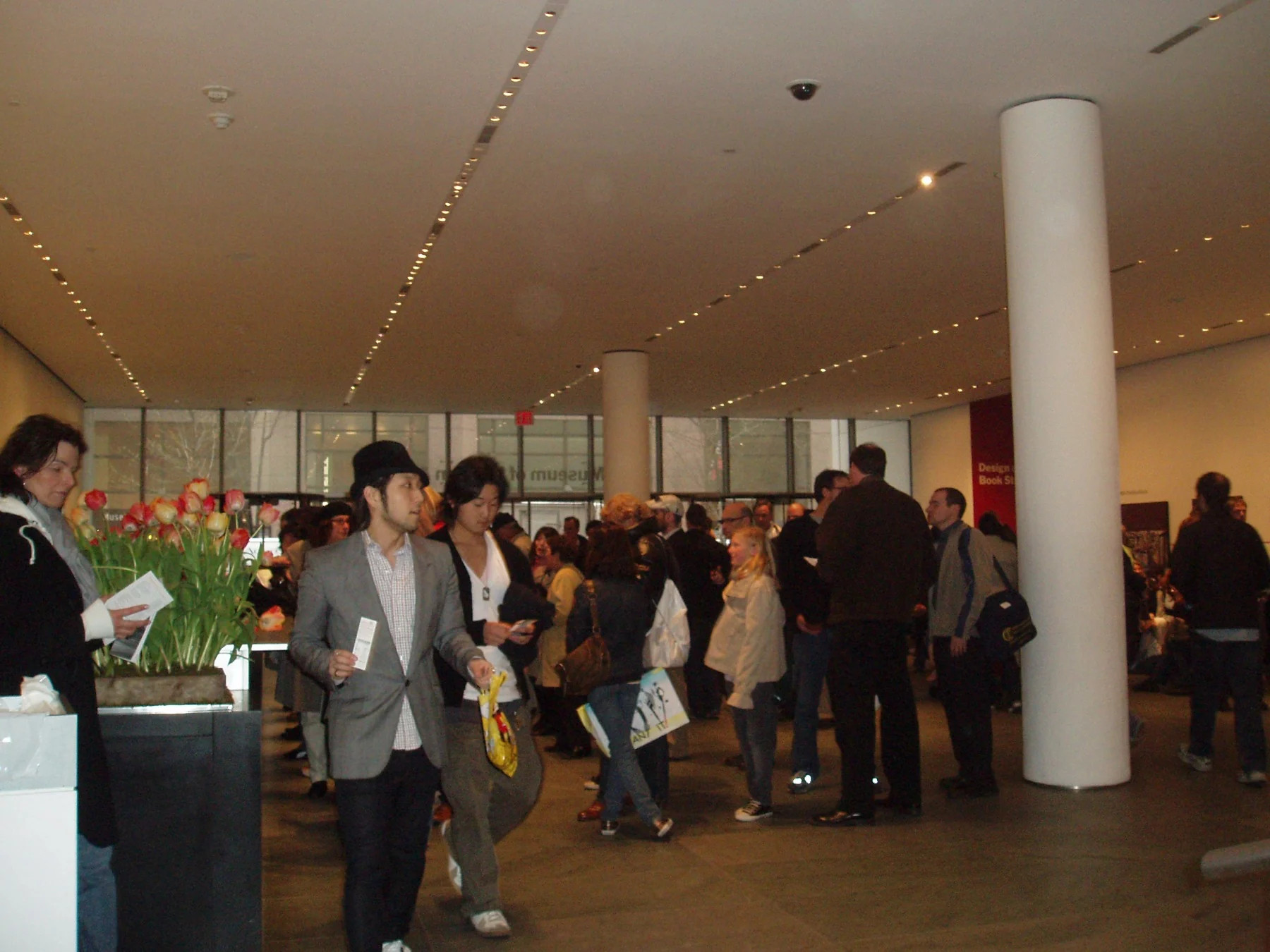
MoMA’s calendar lists the films and dates and credits Spielberg with the choices. It does not give his explanation for each pairing. You can still pick something you want to see more closely. A single dance, a scene of preparation or an entrance can give you a starting point before the first film begins.
November 15: one title, two versions
On Sunday, November 15, MoMA's Spielberg calendar lists the 1961 West Side Story at 1 p.m. and Spielberg's 2021 West Side Story at 4:30 p.m. MoMA describes the first as a movie musical and the second as an adaptation of the musical. Sixty years separate the two titles. There is a choice to make before sitting down: whether you want to compare what you remember or pay attention to something new.
Pick one element and track it across both films. Choose the dance numbers and note where the camera sits relative to the dancers and how long each shot holds. Choose the setting and note how each film places its characters in their surroundings. Choose the singing and notice when a song starts in a scene. Trying to follow all three at once can pull your attention in several directions. Picking one gives you something you can watch for even when the story is familiar.
MoMA schedules the 1961 film first. That gives the afternoon an order even for someone who knows Spielberg’s version better. Take a moment during the break to recall the scene you chose and the detail you noticed. In the later film, see whether the same moment is staged to draw your eye to the same person or part of the room. If you know the newer film, try letting the older screening set the question. It may be something you never thought to look for when you saw the newer one on its own. The scheduled order gives you that chance.
November 22: a political thriller beside a political drama
On Sunday, November 22, MoMA lists The Day of the Jackal (1973) at 1 p.m. and Spielberg's Munich (2005) in the afternoon. MoMA’s pages give different start times for Munich. Check the museum’s ticket listing before planning the day around both screenings.
MoMA calls The Day of the Jackal a political thriller and describes Munich as a political drama. Go in with a question about suspense. Does either movie make the preparation for a decision as tense as the decision itself? Watch for when the audience learns what the people on screen are trying to do. The films were released 32 years apart. If you find yourself drawn in at different points, see whether you can say what changed.
A second question is how a film asks you to judge a character who is good at a job. Are you invited to admire a skill, worry about what it serves or feel both things at once? You can ask the question without assuming either movie will give you a particular scene. If it gives you a moment worth remembering, keep that moment in mind for the next screening.
November 29: two films released 42 years apart
On Sunday, November 29, MoMA lists Gunga Din (1939) at 1 p.m. and Raiders of the Lost Ark (1981) at 4 p.m. The release years are 42 years apart, and the start times are three hours apart.
One question to carry into both films is how long it takes before you know whom you want to follow. Does a line of dialogue do it? The way someone is framed? A change in what the audience can see? Pick one detail that mattered to you in each title. A particular moment is easier to describe over dinner than the pace of two whole movies.
During the interval, try to remember what you knew about the people on screen in the first few minutes. Then see what the next film gives you in the same amount of time. The comparison can be that small. There is no need to keep a list through the rest of either screening.
Choosing one Sunday
The practical objection is cost. A double feature takes most of a Sunday afternoon, and a viewer who sits through both may find the second film tiring rather than illuminating. That is immediate appeal set against later effort. The compromise is modest. Pick one question before the first film starts, write it on the back of a ticket if that helps, and ask it again at the second. One question carried across two films beats a vague impression of both.
Choose the Sunday that fits what you enjoy noticing. November 15 offers two versions of the same musical. On November 22, you can bring a question about how each film sets up an important decision. November 29 gives you two openings made decades apart. Check MoMA’s ticket listing before setting out, especially if you have to plan a train or a meal around both films.
When you leave the second screening, try describing one scene from each without ranking them. You might remember how long a dance shot lasted, how a plan was laid out or when a character entered a room. That is enough to take home from two films seen in one afternoon. And it gives you a particular scene to look for the next time either title comes around.