
The knock before the solo
A short knock sits just ahead of the guitar solo on "Beat It," and the official Thriller 40 track page points to it as a fun fact: a noise that sounds like somebody knocking at a door. For a listener, it works as a landmark. It arrives before the solo, it is not a guitar, and once you know to wait for it you can set your attention before the solo begins instead of chasing it afterward.
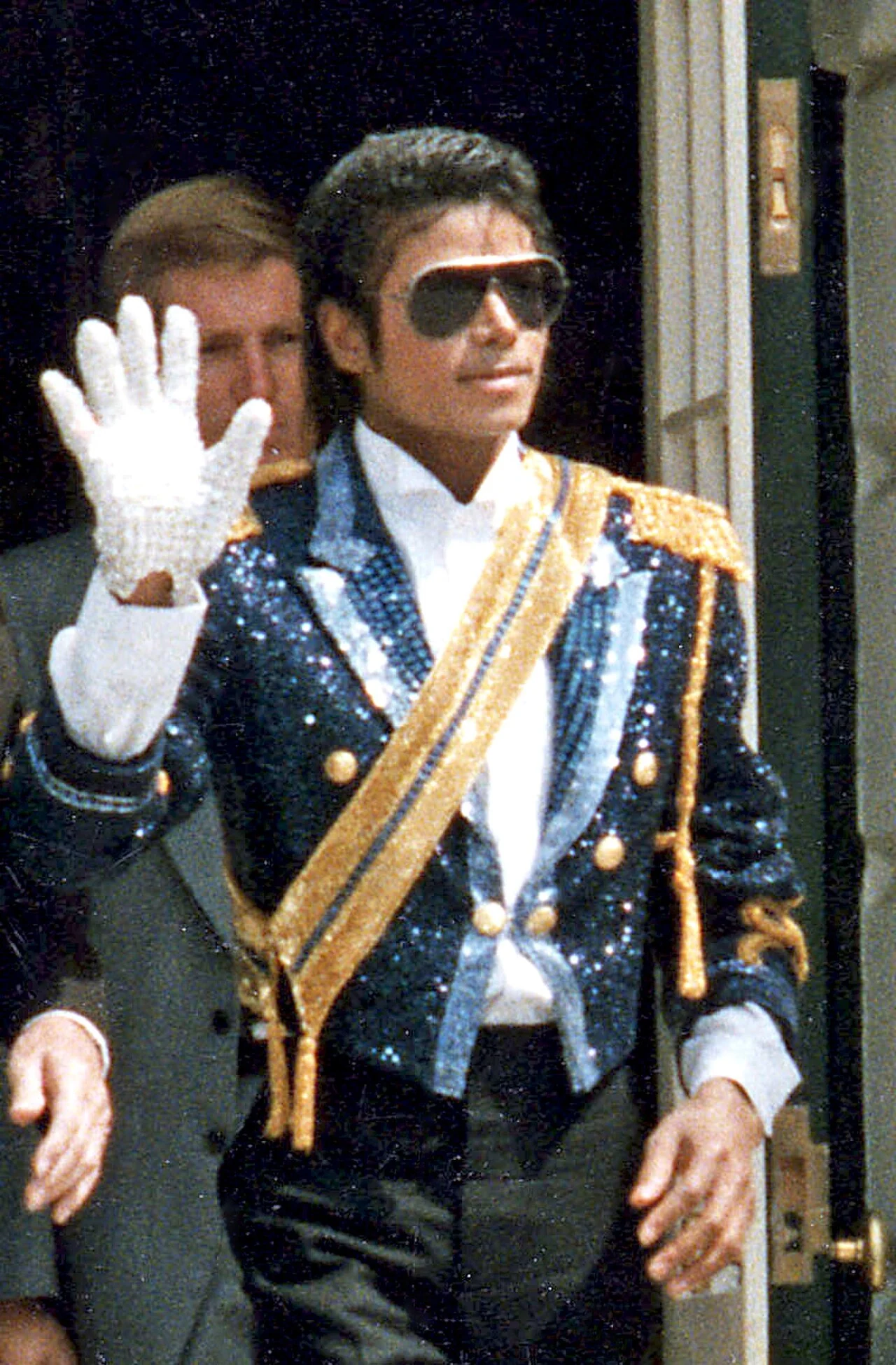
The page also records a piece of retrospective myth. It says the knock was rumored to be someone entering the recording studio. The credits, which the page says come from the original Thriller LP liner notes, list Michael Jackson as "drum case beater," and the page concludes the sound was Jackson. Instead of picturing someone coming into the studio, put on the record and listen for a short percussion sound that happens to resemble a knock at a door.
How to follow one layer on a replay
Start at the knock and play the stretch around it three or four times, changing only what you listen for. Headphones help, since they usually separate the left side from the right better than a phone speaker does. On the first pass, follow the lowest sound and ignore everything else. On the second, follow whatever keeps time. On the third, listen for a keyboard-like sound. The track credits list several keyboard instruments, so let your ear settle on the sound you can follow. Then let the guitar be the fourth layer. The goal is not to name what you hear. It is to hold one line in your attention until the others recede.
A useful distinction is between the front of a note and what you can still hear of it afterward. Start a little earlier when two sounds close in pitch are hard to untangle. A clipped note gives you an edge like a tap. A sound that hangs on gives you something to follow in the space between those edges. The parts can become much easier to tell apart when you listen by texture, even if you could not tell which was higher. Try following only the tail of one sound for a few beats as the guitar gets louder.
How Van Halen remembers the session
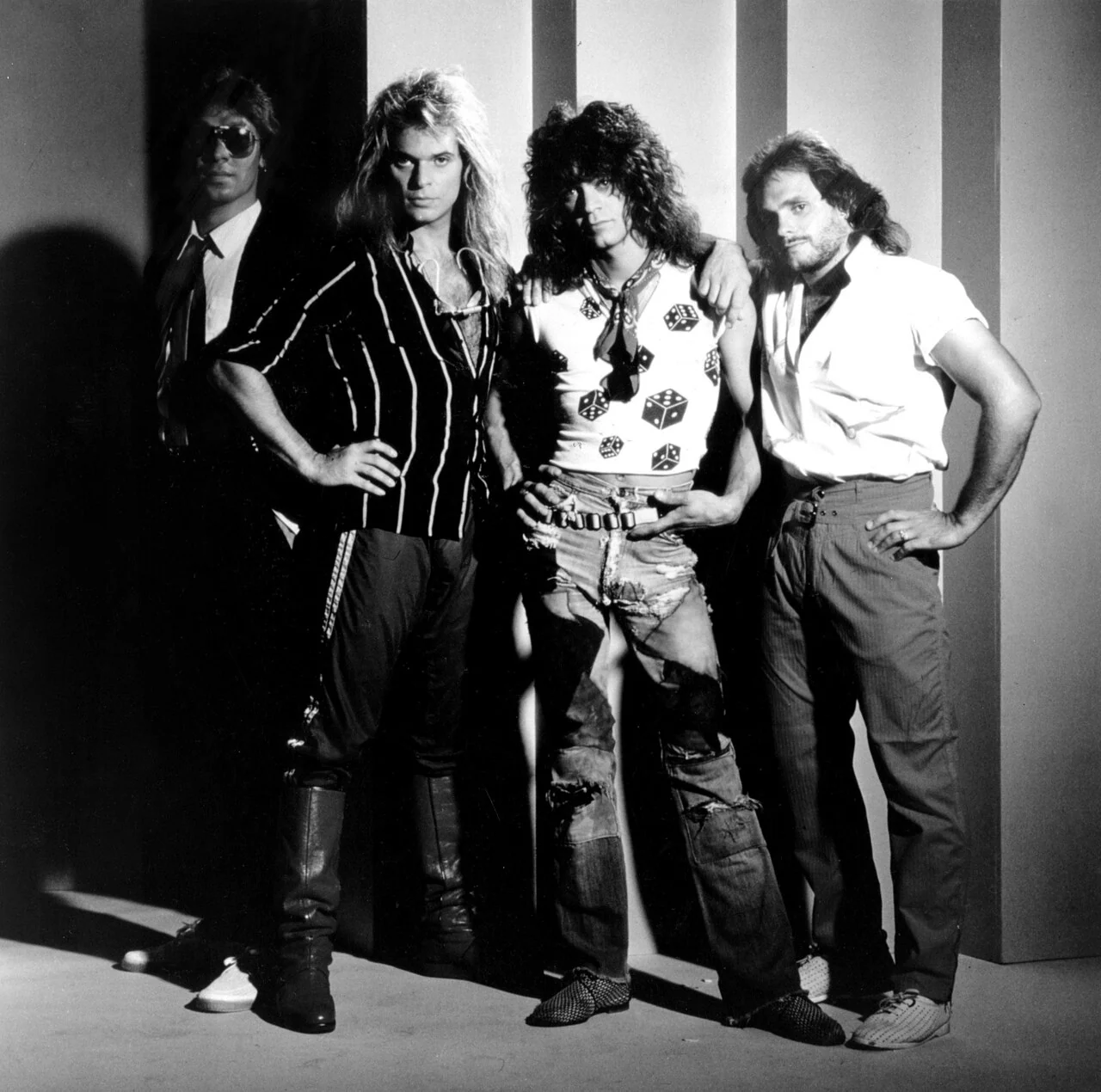
Eddie Van Halen told the telephone story in a 1983 Music UK interview. He was in a guest house when someone called. The caller could not hear Van Halen, who could only partly hear the caller. The caller did not use Van Halen’s name on the first two calls. When the phone rang again, Van Halen answered impatiently. The man on the line introduced himself as Quincy Jones. Van Halen remembered that Jones later wrote to thank him for playing. Jones signed the letter with a joke about the insult Van Halen had used on the phone.
The session account is also Van Halen's. Van Halen described walking in, sitting in the booth, and asking Jones what he wanted. The answer, as Van Halen tells it, was to go ahead and play. Van Halen said he played two solos. Jones said "Great," and Van Halen left. The guitar was the same old Strat and a rented Marshall amplifier, because Van Halen's own gear was away on tour. The Thriller 40 page says the solo was recorded for free as a favor.
Comparing the verse with the solo
Van Halen said the plan had been to play over one chord. He suggested using the verse section instead. In his recollection, the solo was placed over the verse changes. He explained that playing over one chord could get stale. The interview gives no chord names or bar count. It does give you two parts of the record to compare, and a reason to listen to the music beneath the lead guitar.
Play part of a verse and follow the accompaniment. Then make the same pass at the solo. You are listening for whether those two stretches feel alike underneath. Pick a part you can follow and compare the shape it makes in both places. If the lowest note stays put, try listening just above it for the other notes. You may hear a change there even if the lowest note holds. The most useful part is the stretch where the accompaniment feels familiar while the sound in front changes.
Put the two passes together by humming a single note as you listen. Use it lightly as a point of comparison. A note might feel at home against one chord and less at home after a change underneath it. That is one reason a listener can get to know the accompaniment without knowing the names of the chords. You can also play the same note softly on a piano or guitar, if you have one handy, and listen to the way your own sound sits against the record. A note can turn into a reference point even when you could not have named what the band was playing.
What Van Halen thought it did for radio
Van Halen also offered an opinion about the song's reach, and it should be read as an opinion. In the same interview, Van Halen said playing on the record got the band's name around a little more and "sure helped Michael," adding, "They played him on stations they wouldn't ordinarily have." What the Thriller 40 page does document is chart position: Billboard number 1 and UK number 3, plus two Grammy awards in 1984. A chart peak cannot confirm which stations played the record, so the radio claim stays Van Halen's view.
Van Halen told the story as somebody who had been asked to play, brought in an old guitar and gone home after giving the producer two solos. The result has lived far outside that room. A listener can pay attention to the people who made it by starting with a detail small enough to lose under a louder part. Jackson has a credit for hitting a drum case. Van Halen had a reason for wanting a change underneath the solo. Those are two short decisions to hear inside a record that is easy to take in all at once.