
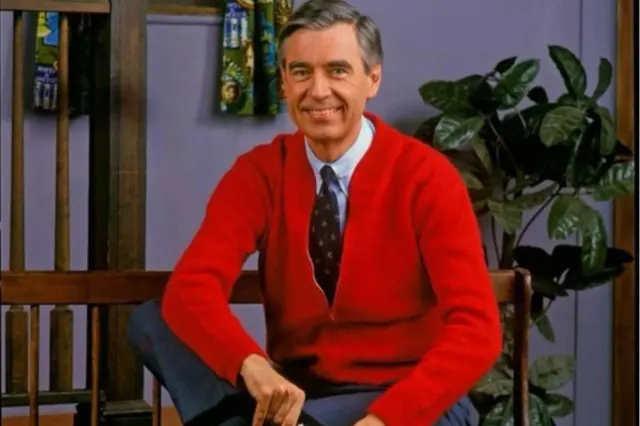
Fred Rogers was known for cardigans, puppets and a gentle voice on children's television. So where did the stories about a secret military career come from? Versions of the rumor cast him as a Vietnam sniper or a Navy SEAL.
He wasn't either. Rogers never served in the armed forces. His draft records survive, and they give a much less dramatic account than the stories shared online.
A Career in Children's Television
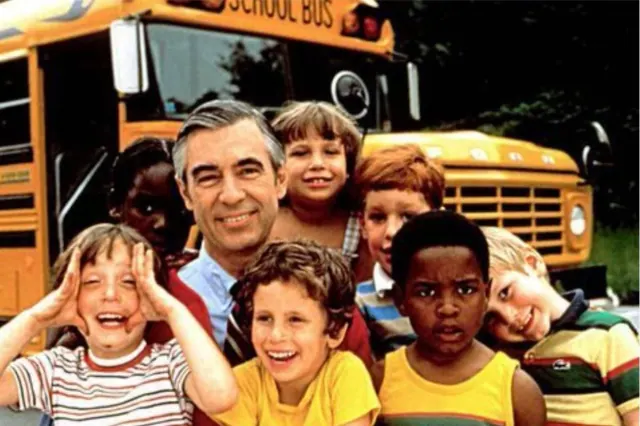
Rogers was born in Latrobe, Pennsylvania, on March 20, 1928. He graduated from Rollins College in 1951 with a degree in music composition, then went into television.
His work and ministry developed alongside each other. He took classes at Pittsburgh Theological Seminary while working on children's programming and graduated in 1962. He was ordained a Presbyterian minister the following year. A spell making television in Canada helped him develop the on-camera role that American audiences would come to know.
The Medal Came in 2002
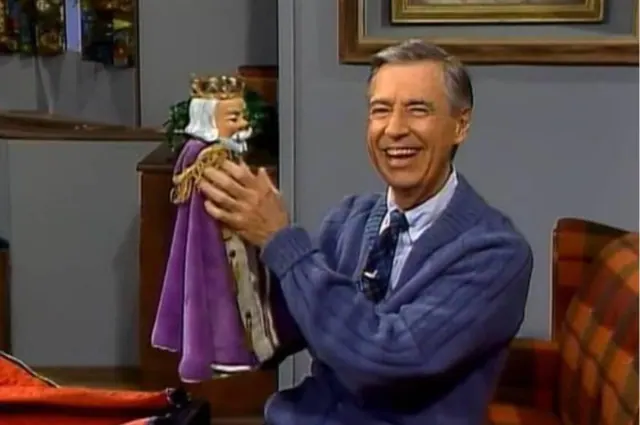
The sweater and sneakers were part of a television routine, and they stayed familiar for decades. Mister Rogers' Neighborhood began its national run in 1968; its final new episodes aired in 2001.
Rogers did receive the Presidential Medal of Freedom. President George W. Bush presented it in 2002, recognizing his work with children. He died the following February. A medal, in this case, doesn't point to a secret military past.
What the Draft Records Say
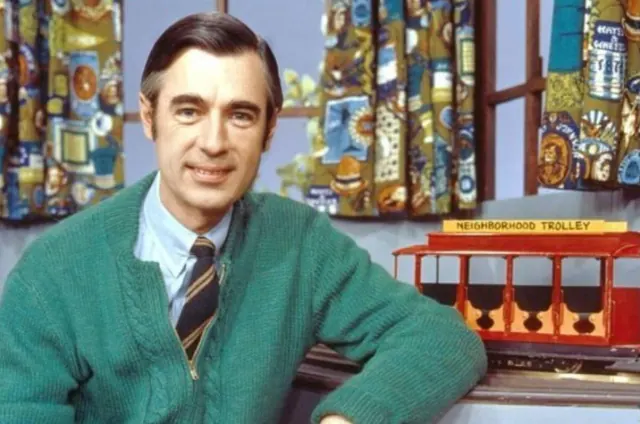
The National Archives holds Rogers' draft card and Selective Service records. He registered in Greensburg, Pennsylvania, in 1948, when he was 20.
At first, he was classified 1A, making him available for military service. That changed after an Armed Forces physical on October 12, 1950, when he was found unqualified for service. Registering for the draft didn't mean he'd joined the military, and the Archives explicitly says he never served.
Why the Sniper Story Doesn't Hold Up

The surviving records document a draft registration and a later change in eligibility, not service as a sniper or a SEAL. They don't support the secret military career described in the rumors.
The Archives' account doesn't identify the medical reason for the reclassification. Adding a diagnosis would introduce another unsupported detail. His television career is well documented; the claims about wartime exploits aren't.