In 1975, Gary Dahl found buyers for a pet that couldn't eat, bark or run away. It was a rock, sold in a little cardboard carrier. The joke was obvious, and people paid for it anyway.
A barroom conversation about troublesome pets had given the advertising copywriter his idea. By Christmas, the Pet Rock was a hit. The box and its ridiculous instructions explain much of the appeal.
What Is a Pet Rock?
A plain, smooth stone was the entire pet. You didn't have to feed it, walk it or find somebody to look after it during a vacation. Calling it a pet was the joke.
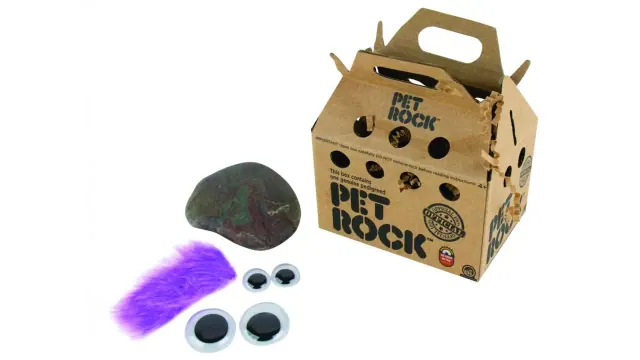
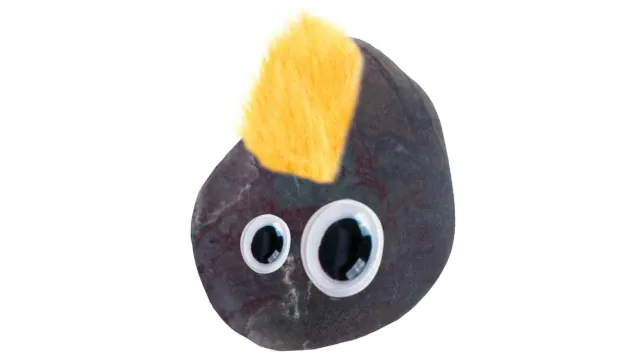
The kit pictured here is a later version with accessories. Those googly eyes and colored hair shouldn't be mistaken for features of Dahl's original stone.
The Box Was Part of the Joke
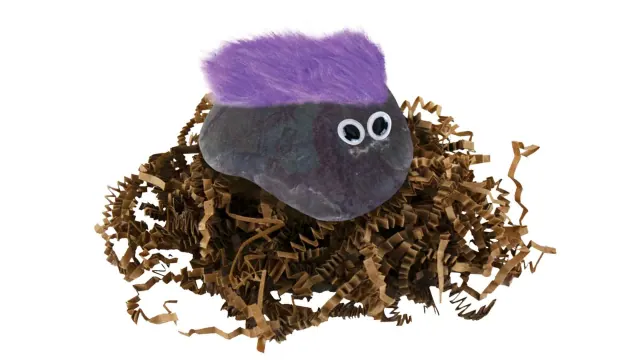
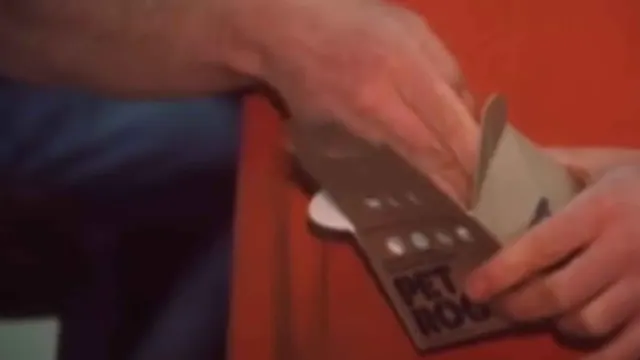
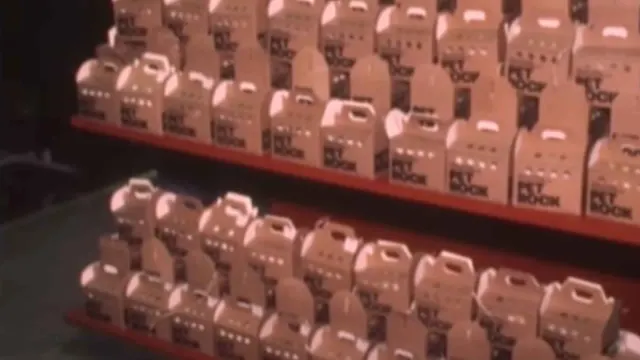
Dahl packed his stones in small cardboard carriers with breathing holes. Fine wood shavings made a nest inside, and a booklet explained how to care for the new arrival. It looked as if something alive might be coming home.
The rock itself couldn't do much to surprise its owner. The little carrier gave the gift a beginning: open the box, meet your pet, read the instructions.
A Christmas Hit in 1975
The Strong National Museum of Play records more than a million Pet Rocks sold by Christmas 1975. That's a lot of people giving somebody a stone.
Dahl had brought the idea to a San Francisco gift show that August. By the holiday shopping season, a product that sounded like a punchline had reached stores across the country. It didn't need to be useful to make a memorable gift.
The Care and Training Manual
The instructions treated a stone as if it had arrived with a personality and a few bad habits. Teaching it to sit or stay wasn't going to take much effort.
Reading the booklet was part of owning the joke. Even now, a Pet Rock without its instructions would lose some of what made Dahl's version different from a stone picked up outside.
The Original Rock Looked Different
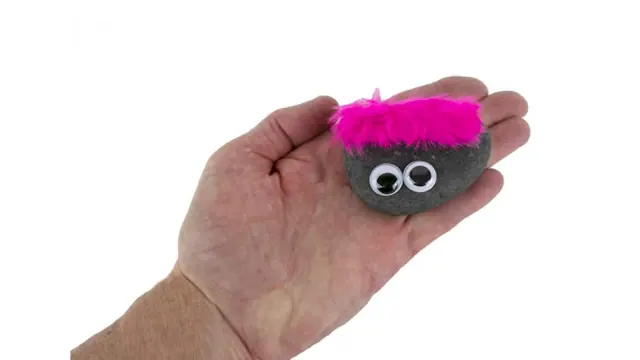
The bright hair in this gallery belongs to later novelty kits. Dahl's 1975 pet was a plain stone, so a colorful photograph alone doesn't establish that an item is vintage.
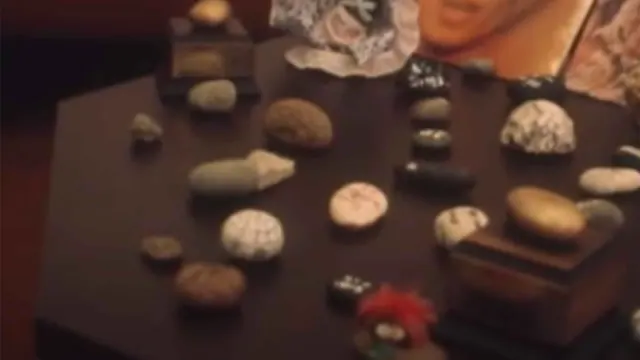
The older footage shows boxes being filled and stacked, while other pictures show painted craft versions. They're useful views of the idea's afterlife, but they aren't interchangeable records of the original product.
What Did a Pet Rock Cost?
The original retail price was $3.95. The Museum of Aquarium and Pet History puts estimated holiday sales at 1.3 million to 1.5 million kits. Those figures describe sales, not Dahl's personal profit.
The stone cost very little, but a customer was also paying for the carrier, the manual and the gag. Multiplying a retail price by units sold doesn't tell us what the inventor took home.
Gary Dahl After the Craze
Pet Rocks weren't Dahl's last venture. He went back to advertising and built Carrie Nation's, a pub in Los Gatos. The name borrowed from a temperance campaigner who attacked saloons.
The boxed stone stayed his best-known creation. Later business projects never displaced it in accounts of his career.
When the Fad Faded
The important dates fit into a short timeline: the August 1975 gift show, the Christmas rush, then the slowdown in 1976. The Strong notes that Dahl's Bicentennial version arrived after the craze had passed.
The Pet Rock didn't need years of steady sales to become a familiar example of a fad.
Later Pet Rocks Have Accessories
Super Impulse describes its licensed Pet Rock kit as a stone with paper nesting, two sets of googly eyes and fuzzy hair. The accessories let owners give the rock a face.
That explains the look of several pictures here. They show how the product has been dressed up, rather than what every buyer received in 1975.
A Rock With a Movie Connection
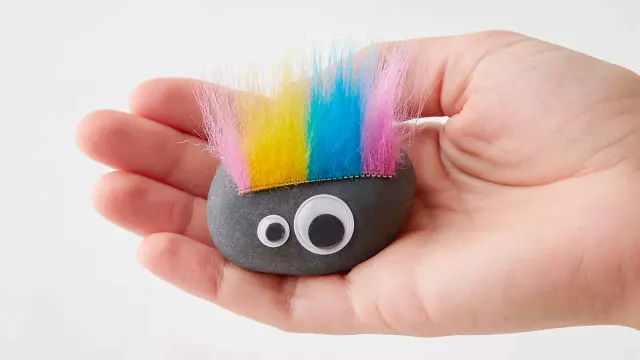
The idea has also turned up in film merchandise. A24's archive lists an official Everything Everywhere All at Once Pet Rock with googly eyes, a paper nest and a care pamphlet.
It's a later tie-in, not evidence that Dahl's toy inspired the movie. A stone with a face can work as a gag in more than one setting.
Why the Joke Still Works
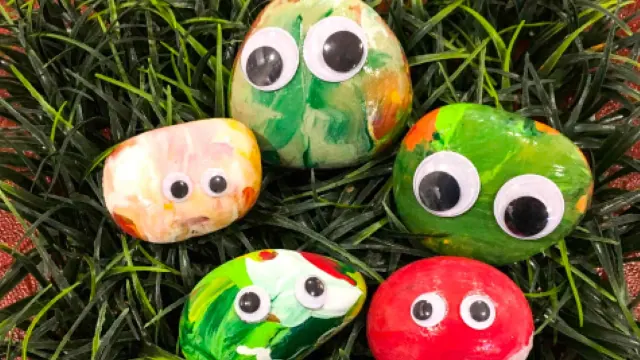
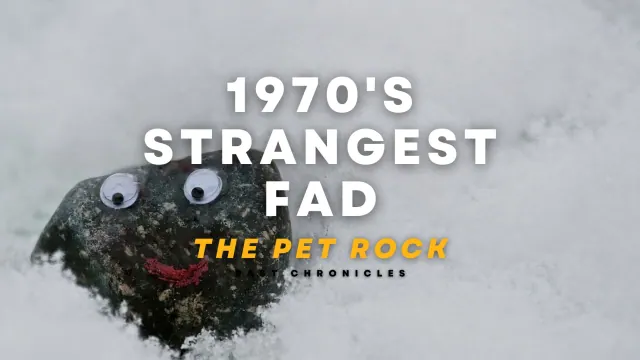
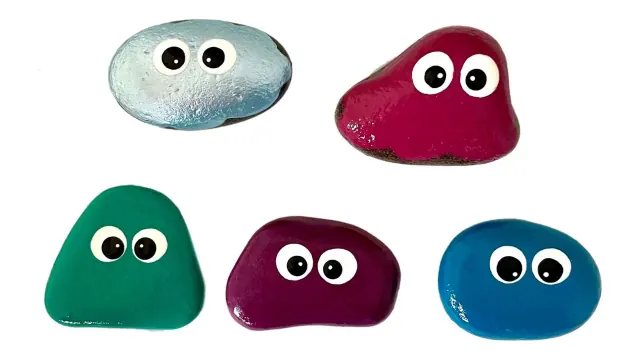
The painted stones at the end of this gallery barely resemble a plain 1975 Pet Rock. They have faces, spots and bright colors. People can make the idea their own with very little equipment.
Dahl sold a ready-made version of that amusement. An ordinary object, given a name and a few instructions, was enough.