
The first Christmas message on television
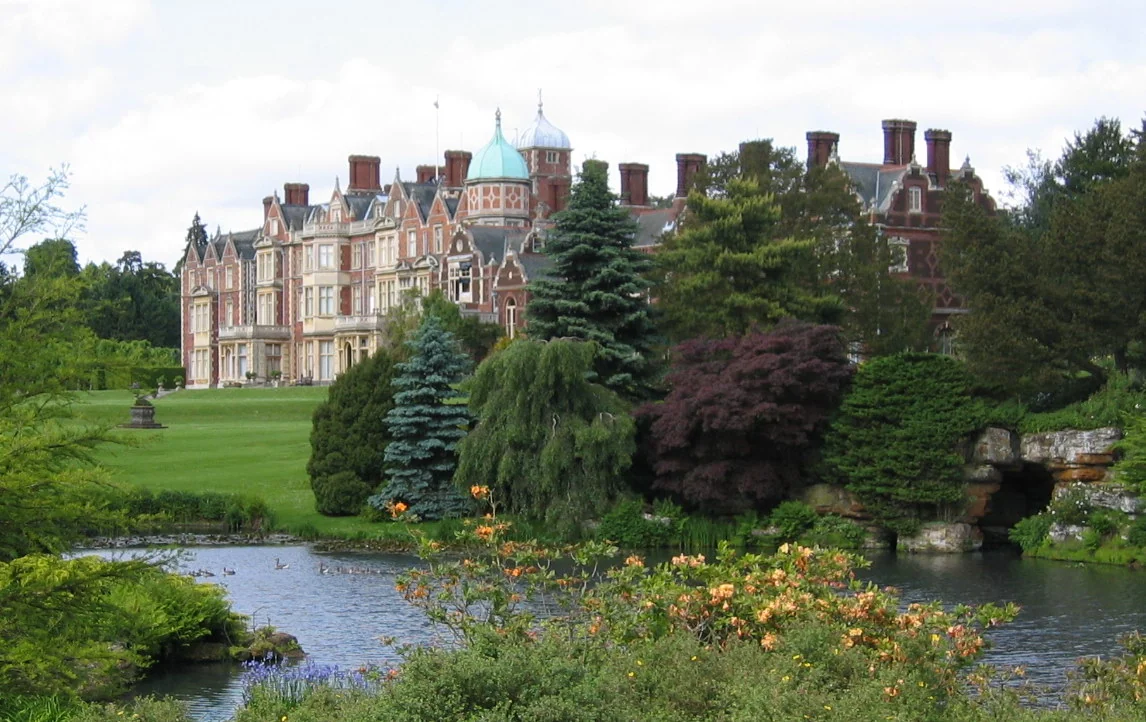
Queen Elizabeth II spoke live from the Long Library at Sandringham on December 25, 1957. For the first time, television viewers could see her giving the Christmas message. Elizabeth had made her first Christmas broadcast over the radio in 1952. Her grandfather, George V, had started the tradition in 1932. The BBC records the 1957 date in its chronology of the decade.
In the Royal Household transcript, Elizabeth marks twenty-five years since her grandfather’s first Christmas radio broadcast.
George V’s radio broadcast in 1932
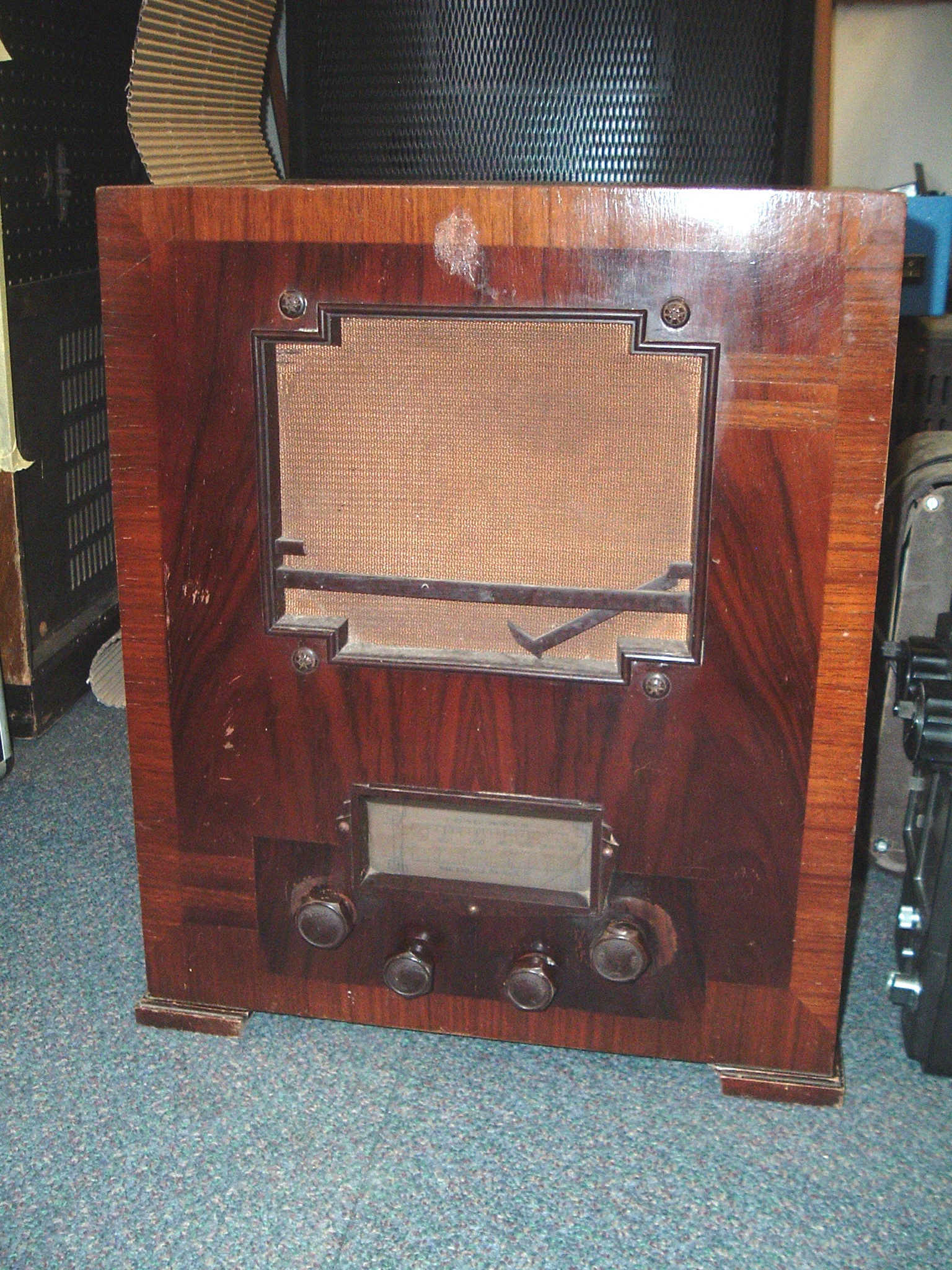
The National Science and Media Museum traces the idea to the BBC’s Sir John Reith in the 1920s. George V saw radio as something better suited to entertainment than a serious speech. A visit to the BBC in the summer of 1932 helped reassure him. The Empire Service was a new service that year, and the King agreed to speak when it was being launched. His first radio Christmas message went out on Christmas Day, 1932.
Rudyard Kipling wrote the speech. The new Empire Service, which became the BBC World Service, used the broadcast to mark its inauguration. The BBC had planned to put the King on at three in the afternoon, an hour when the short-wave signal could reach more of the Empire from Britain. An hour of greetings from around the Empire preceded the broadcast. The King began five minutes after three and spoke for two and a half minutes. The museum puts the audience at more than 20 million.
Post Office lines connected two rooms at Sandringham to Broadcasting House in London. From there the BBC could send the broadcast to its transmitters, including the Empire Broadcasting Station at Daventry, which had six short-wave transmitters. The King could speak from Sandringham even though people listening were far from Norfolk.
George V gave a Christmas speech every year from 1932 through 1935. He died in January 1936. Edward VIII abdicated that December without making a Christmas broadcast, and there was no broadcast that year. George VI gave his first one in 1937. The museum says the Second World War cemented the message as a staple of Christmas. George VI saw it as a way to unite the country and raise morale.
Elizabeth’s first Christmas message
Elizabeth’s first Christmas message went out live from her study at Sandringham on December 25, 1952. She had come to the throne in February. In the broadcast she recalled how her father had spoken to people around the world each Christmas. She thanked people for their support since her accession and asked them to remember her at the time of her Coronation the following June. She said she was spending Christmas with her own family. She called Christmas especially a children’s festival and said she hoped listeners’ children were enjoying it as much as her own.
The following Christmas took Elizabeth and the Duke of Edinburgh to Auckland, New Zealand, near the beginning of a six-month Commonwealth tour. She gave the radio message from Government House. She noted that Auckland was about as far from London as any city in the world. She had spoken from England the year before. From New Zealand, she said she hoped her children were listening.
Live from Sandringham
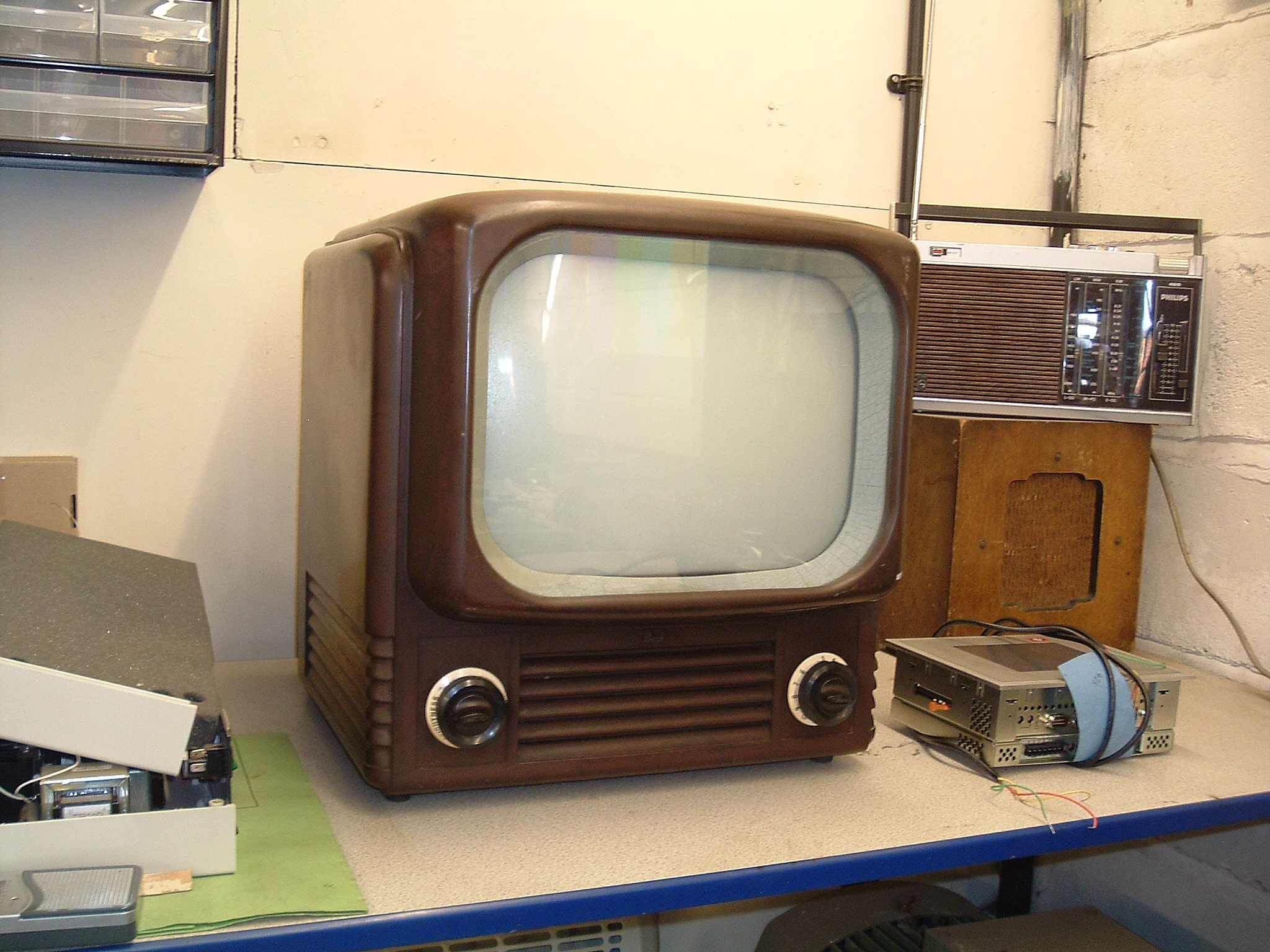
On television, Elizabeth acknowledged that she might seem remote to people who knew her face from newspapers and films. She welcomed viewers into her home. She pictured them gathering around their televisions the way her family did and said she hoped they would find the message more personal and direct. Her grandfather had also spoken from Sandringham, where he delivered the radio message from a small office.
Elizabeth used the camera as an example of how quickly technology was changing. The question she posed was how to make use of those changes while keeping what was worth preserving. She spoke about honesty and about having the courage to stand up for what people thought right.
The speech turned to the Commonwealth. Elizabeth welcomed Ghana and Malaya and said both had become self-governing. She recalled opening the Canadian Parliament in Ottawa that October. She and her husband had also been to Portugal, France, Denmark and the United States that year. Elizabeth distinguished the careful arrangements for those visits from the welcome she said people had given them.
Two passages to find in the transcript
Find the passage where Elizabeth talks about earlier monarchs leading their soldiers in battle. It comes after she recalls her travels that year. She compares those monarchs’ duties with the job she has now. She says she can offer her devotion to the people of the Commonwealth. She also tells the audience she believes in what people can do together.
Near the end, Elizabeth reads from John Bunyan’s The Pilgrim’s Progress. She names Mr Valiant for Truth, who speaks of handing on his sword to the person who will follow him and passing on his courage and skill. After the quotation she wishes listeners and viewers well for 1958, then closes with a Christmas greeting.
The messages after 1957
In 1959 and 1963, when Elizabeth was pregnant, the messages were broadcast on radio only. There was no broadcast in 1969. A documentary about the Royal Family was due to be repeated on Christmas Day, and Elizabeth issued a written message instead. The museum records an unbroken run of televised Christmas messages from 1970 through 2021.
The museum dates the first Christmas broadcast in colour to 1967. People had been able to watch the address on television since 1957, with some returns to radio only. For anyone looking through an archive of Christmas broadcasts, the year is the quickest way to tell those milestones apart.
Other changes came later. In 1975 the message was recorded outdoors for the first time. The museum dates its first appearance on the internet to 1997 and its first production in 3D to 2012. The annual appearance on television gave broadcasters and viewers a familiar event through those changes.
The footage at a film industry reception
On April 4, 2013, guests at a reception for the British film industry watched the official Royal Family clip of the Christmas broadcast. The 1957 address had gone out live, from the Long Library at Sandringham.