
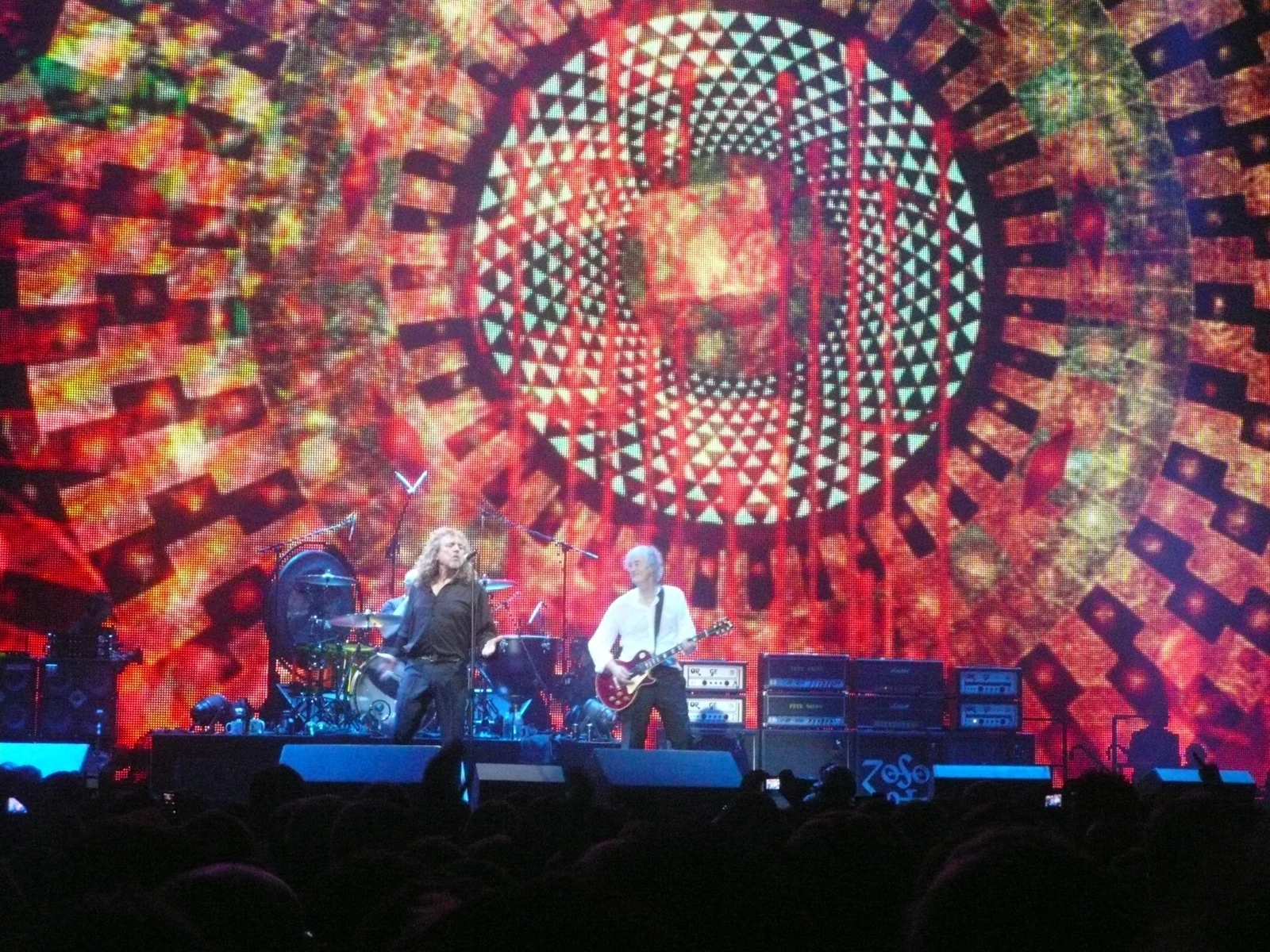
In the guitar break in “Heartbreaker,” the guitar sounds as though it has stepped into a different room. Jimmy Page says it did. He remembers cutting the song at A&R in New York, then playing the break in another studio. Rather than trying to smooth over the difference, he pushed it further. He wanted the break to feel like a door opening briefly onto another room. Then the door shuts, and the rest of the band is there again. It is a small example of what it meant for Page to produce Led Zeppelin II.
A songwriter makes a song; a producer helps turn it into the particular recording you hear. Led Zeppelin II gives you a way to listen for the difference. Start with the opening guitar figure in “Whole Lotta Love,” then jump to that break in “Heartbreaker.” Finally, go back to “Whole Lotta Love” and pay attention to what comes forward and what recedes. Each pass tells you a little more about a job that otherwise gets one line in the credits.
A producer’s credit is not a writing credit
The band’s own discography lists Page as the producer of Led Zeppelin II, released in October 1969. Rhino’s notes on the album identify it as the first Led Zeppelin record with songwriting contributions from Robert Plant. The two credits can coexist on the same record. Knowing who oversaw its sound gives you a way into the recording; if you want to know who wrote a particular track, look at the writing credits for that track.
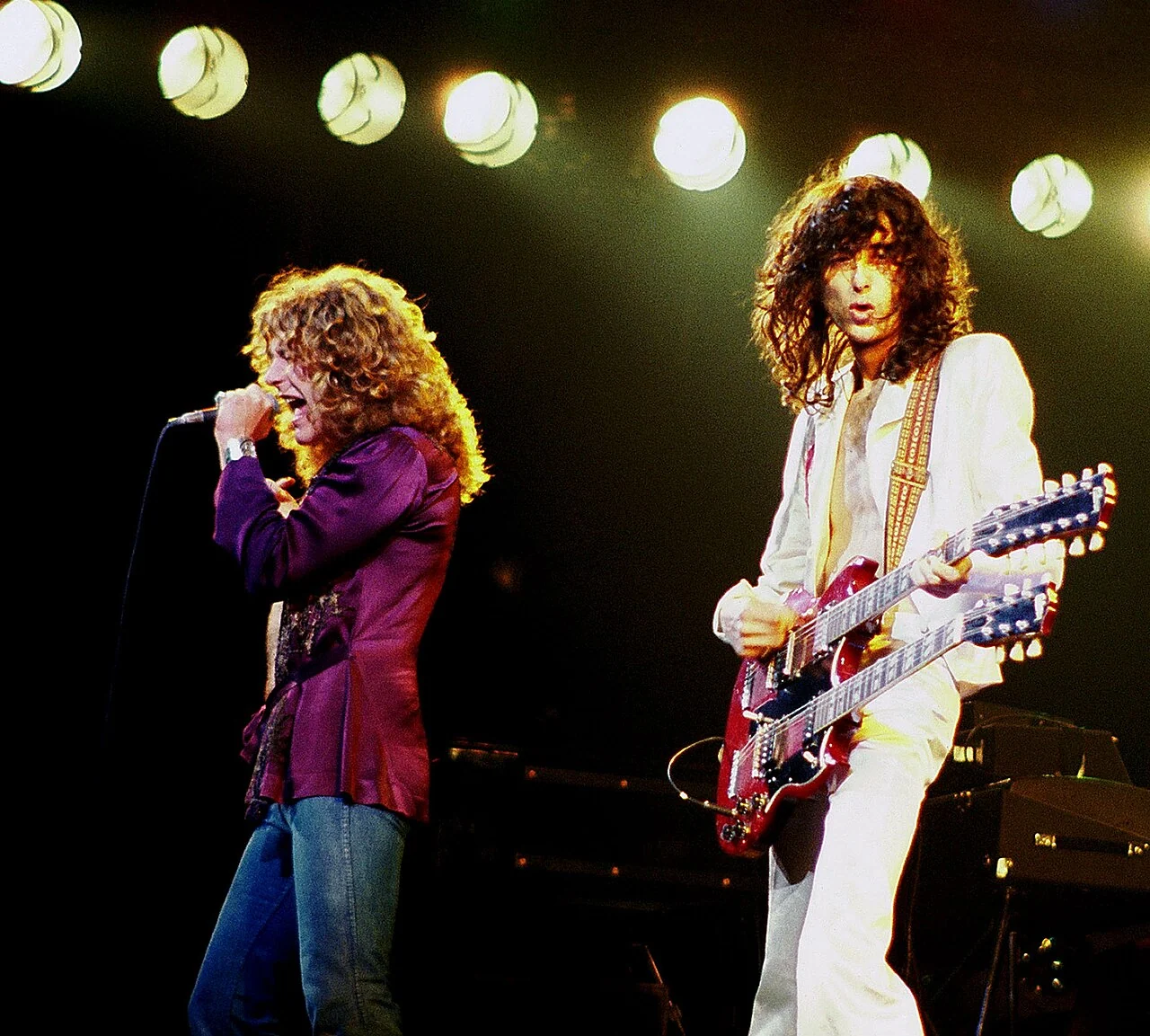
Page’s discography notes describe work squeezed into a touring year, with the band nevertheless able to book successive sessions. They were no longer limited to grabbing an hour or two late at night, as he remembers doing for the first album. More time in a studio gave the band room to shape a track, but it did not mean everyone worked in the same room for the length of the album. When you listen for the edits and changes in sound, you can hear why putting the recordings together was a job of its own.
Engineer Eddie Kramer appears in both accounts. Page says the final mixes were done with Kramer in New York, and Rhino reports that Kramer has always credited Page with making a cohesive album from sessions scattered across studios. That is one collaborator’s assessment of another, relayed by Rhino. It still points to the producer’s job when material arrives from many rooms: choosing a through line.
Pass one: the riff
Start with “Whole Lotta Love” and listen only to the riff. Page recalls working on the song’s structure alone at home, eager to bring the band together, and sure that everyone would enjoy playing the riff. Take that as a statement about preparation, not a writing credit. Listen instead for how the record presents the figure, and whether the other instruments follow it or compete with it. A riff is a handful of notes. The record decides how often, and how loudly, to offer them.
When the band comes in, try keeping your attention on John Bonham’s drums. Where the guitar pulls you onward, the drums give you a place to put your feet. Now listen to Plant’s entrance, and see whether the riff sounds quite as big when it has a voice to share space with. The musical figure itself is only part of the story. Its placement, its level and the space left around it are what let that short figure carry so much of the record. That is the part you can hear changing within a single track.
Pass two: the door in “Heartbreaker”
Return to “Heartbreaker” and wait for the solo. Listen for the change in room, tone and sense of distance. Page’s description is the best guide to the intended effect: a sharp contrast, like a door swinging open and then shut, with the song resuming in rhythm afterward. The change is not a flourish laid over a finished mix. By that account the contrast was built in, by recording the break separately and choosing, on purpose, to exaggerate how different it sounds.
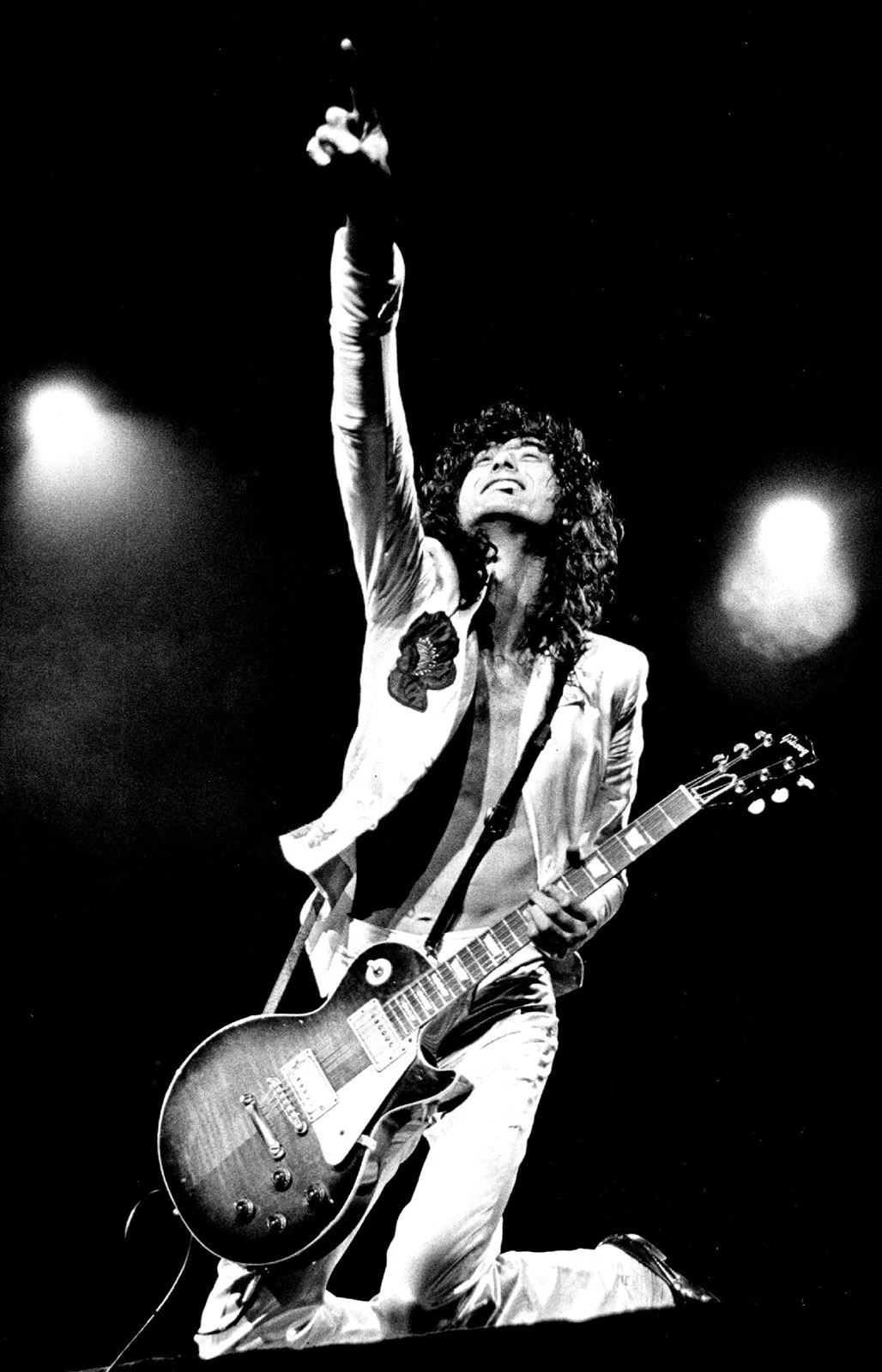
Page also describes a habit: whenever he could, he waited until the vocals were finished before adding a solo. There is an advantage to working that way. A guitarist listening back to a finished vocal has something specific to answer. A little more volume or a much rougher sound can feel excessive on its own and entirely right once you hear the passage it follows. On “Heartbreaker,” play a few seconds before and after the break, then replay only the break. It is easier to hear what the change in tone is doing when you let the band set it up.
There is no need to identify every piece of gear to hear the distinction. If you want a second example of Page thinking about guitar tone on this record, he mentions playing a Vox Phantom XII on “Thank You,” an instrument he had also played with the Yardbirds. It is a different kind of detail from the sound of an isolated solo. On one track, a distinct guitar is part of the arrangement; on the other, a change in room and sound helps separate one passage from what comes before and after.
Pass three: the mix, and what it meant then
Go back to “Whole Lotta Love” and play it through. Page says he did the final mixes with engineer Eddie Kramer in New York, and remembers this mix as the one that helped propel the album on radio. Listen first for what stays steady underneath Plant. When the familiar riff drops out, try keeping time through the middle, then notice where you feel the pull of the guitar again. A mix can leave one part so far in front that you barely notice what is holding it up.
The version matters when you listen. Rhino says “Whole Lotta Love” reached No. 4 on the Billboard Hot 100 and that the band was unhappy with Atlantic’s decision to issue a single edit. Start your comparison with the track on Led Zeppelin II. If you then switch to the edit, keep in mind that it is a separate version. A chart number will tell you how the song did; it can’t tell you how a stretch of the album mix sounds.
Kramer has credited Page with making one album out of sessions scattered across several studios, according to Rhino. The three listens make that comment easier to understand. The change of room in “Heartbreaker” is striking enough to call attention to itself, yet the track doesn’t feel as though it falls apart when the band comes back in. A sound can be different enough to stop you from doing whatever you were doing, then fit right back into the record a few seconds later.
If you only have time for one replay, make it “Heartbreaker.” Start a little before the break and keep listening until the whole band is playing again. It takes less than a song to hear what the producer line on the sleeve can mean. For the next listen, put on “Whole Lotta Love” and follow one instrument all the way through, even when something louder pulls at your ear. You’ll hear why it matters who is playing, and why it also matters how their playing is put together.