

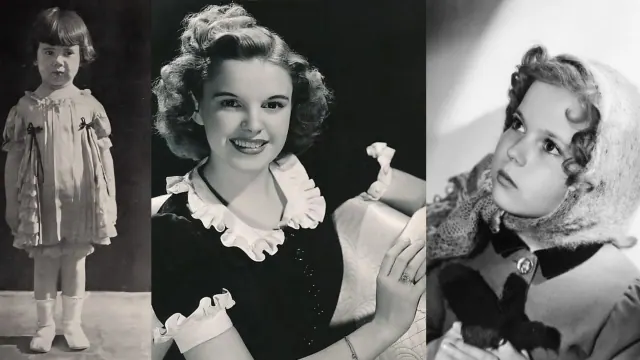
A child could fill a movie theater without controlling the money that came through the box office. For some of Hollywood's earliest young stars, success supported an entire family long before the performer could manage a bank account.
Jackie Coogan's dispute helped bring that problem into public view. Diana Serra Cary, known on screen as Baby Peggy, later wrote about her own working childhood. Shirley Temple described a startling gap between what she'd earned and what remained. Their accounts reveal different family decisions.
Jackie Coogan Becomes a Star
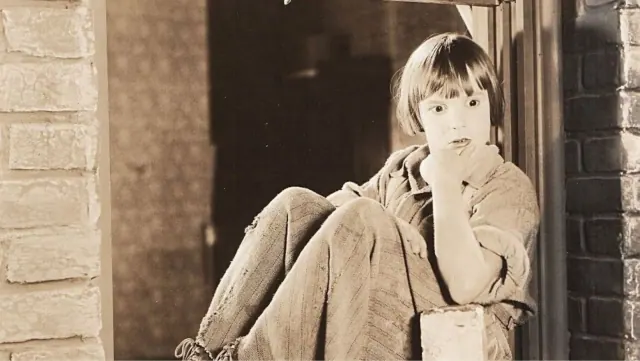
Charlie Chaplin found Jackie Coogan after seeing him perform with his father. The boy became his co-star in The Kid, released in 1921. In the film, Chaplin's Tramp takes in an abandoned child, and the pair build a life together.
Off screen, Coogan became a name that could sell merchandise as well as movie tickets. His childhood face was a business asset. A young audience might recognize a friend in that face; the adults around him had contracts and earnings to manage.
Who Controlled Coogan's Earnings?

Coogan's success didn't mean he had money waiting safely in his own name. California law at the time treated a minor's earnings as the parent's property. His parents handled the business while he performed.
It would be easy to imagine a fortune sitting untouched until his twenty-first birthday. That wasn't the protection he had. The films and merchandise had generated income, but earning it as a child didn't give him the control an adult performer would expect. His later dispute turned on that gap.
A Car Crash Killed Coogan's Father
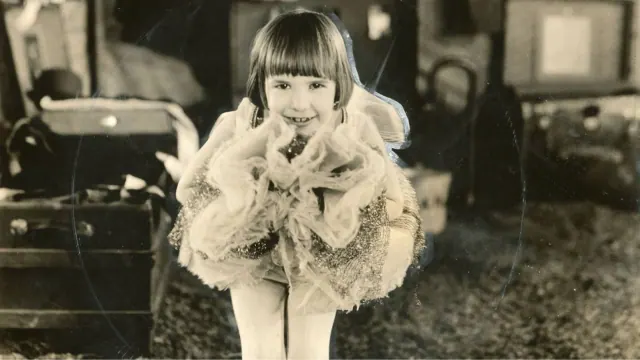
Coogan survived a car crash in 1935 that killed his father. He was already a young man, far removed from the small boy in these film stills. The family lost the father who had helped manage his childhood career.
His mother and stepfather subsequently controlled the money at the center of his legal fight. The disaster and the earnings dispute were different events, but his father's death was part of the family history that preceded the lawsuit.
Coogan Took the Dispute to Court
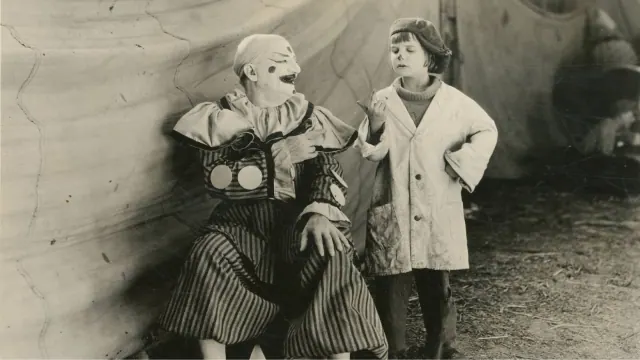
Coogan sued his mother and former manager over the earnings he'd made as a child. The case attracted attention far beyond the family, and he eventually recovered only a small portion of the money.
Calling this a story in which he simply lost every dollar leaves out that recovery. Calling it a happy ending would leave out much more. The legal battle helped put a child's claim to earnings on the public agenda, and California passed the original Coogan Law in 1939.
What the Coogan Law Changed
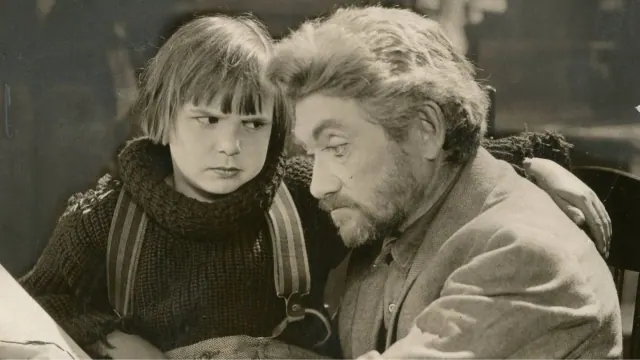
The 1939 law was an attempt to protect young performers after Coogan's highly publicized experience. It wasn't the finished version of the rules that people now associate with his name. Its protections left gaps, and changes came decades later.
SAG-AFTRA's history of the law separates that original measure from the reforms effective in 2000. Those changes recognized covered entertainment earnings as the child's property. The familiar requirement to set aside 15% in a blocked trust account belongs in that later framework.
A Trust Account Doesn't Hold Every Dollar
Under that California framework, the employer sets aside 15% of the minor's gross earnings in a blocked account for the child's benefit. The parent or guardian doesn't simply choose to save whatever is left after household spending.
Fifteen percent is still only a portion of the paycheck. The arrangement should not be read as a promise that every dollar earned by every young performer is locked away. Nor does this history describe all the rules for children appearing in today's online videos. Those are separate questions.
Diana Serra Cary Was Baby Peggy
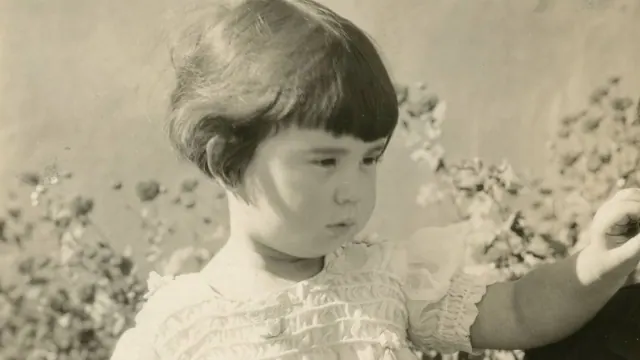
Coogan wasn't the only tiny star selling tickets in the 1920s. Peggy-Jean Montgomery became famous as Baby Peggy, then used the name Diana Serra Cary as an adult. Her childhood screen career left behind a large collection of short comedies.
UC Merced's account of her life describes nearly 150 shorts and nine features. The university hosted her in 2007, when she returned to talk about silent films and the childhood she had spent making them.
Baby Peggy's Earnings Didn't Last
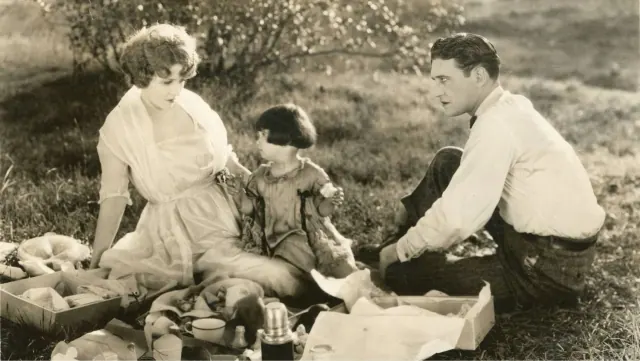
The university's account also says Cary's parents had depleted her fortune by the time she was eight. A successful child performer could be supporting the family without having much say over its spending.
Cary eventually told her own story in Whatever Happened to Baby Peggy? It gave her a way to describe a childhood audiences had mostly seen as entertainment. The smiling girl in an old publicity photograph couldn't explain where the earnings went. The adult writer could discuss what had happened around those pictures.
Cary Became a Writer and Advocate

Cary's later work included Hollywood's Children, a book that became the basis for a 1982 PBS documentary. She also wrote about silent cinema and spoke publicly about the conditions young performers faced.
That work gave her a role beyond being remembered as Baby Peggy. She could look back at an industry she'd entered before she could understand its business arrangements. Her experiences belong alongside Coogan's, without reducing her adult life to a missing fortune or treating the two families as interchangeable.
Shirley Temple Described a $44,000 Balance
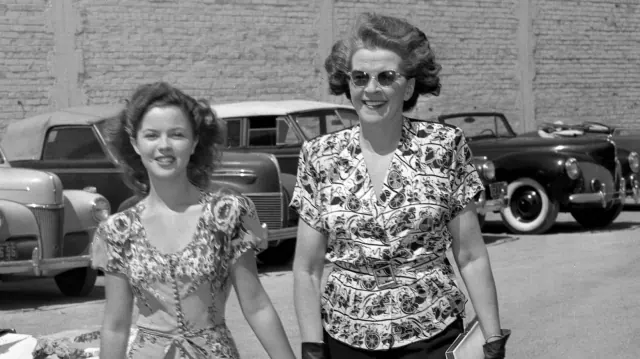
In a 1988 interview with Diane Rehm, Shirley Temple Black said she had earned about $3.4 million but found only $44,000 in a trust fund when she asked about her finances at 22.
She said her father managed the money and had been badly advised. She also said she had no resentment toward him. That was Temple's account of her own family, and it deserves to stay intact. It isn't the same as accusing both parents of deliberately spending everything on a lavish lifestyle.
Judy Garland's Mother Booked the Work
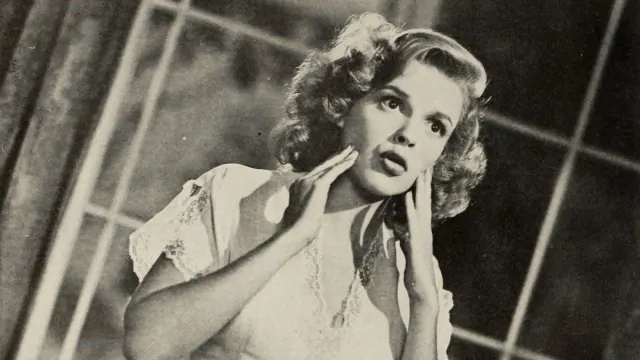
The Gumm sisters had a booking agent close to home: their mother, Ethel. After the family moved to California in 1926, she arranged stage, radio and movie work for the three girls.
By autumn 1935, the older sisters had left the act. The youngest was using the name Judy Garland, and MGM had signed her to a long-term contract. This was several years before the original Coogan Law. Garland's work had moved from a family act into a major studio's hands.