
The circle Roger Glover remembered
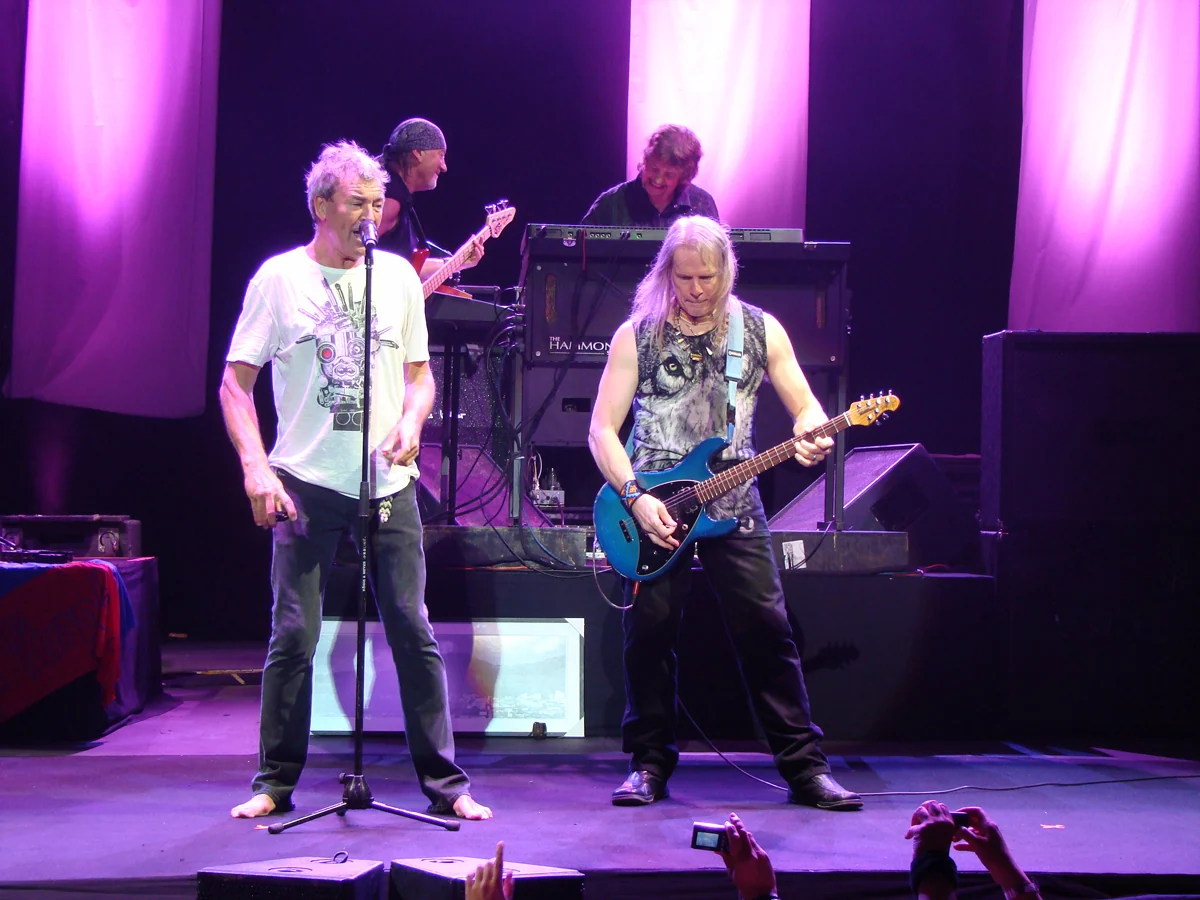
When Steve Morse joined Deep Purple, the musicians stood in a circle and offered up ideas. Bassist Roger Glover remembers them agreeing to share the writing no matter who brought in a part. Until then, he had always thought he would have to leave Deep Purple to play in a band where he could bring up ideas so freely. The group went on to record Purpendicular, its first album with Morse. In a 2007 interview, Glover recalled feeling like a bass player again.
Glover called the period a rebirth. He remembers Jon Lord, Ian Paice and Ian Gillan all finding new things to contribute. He had wanted to be in a group where he could offer an idea without worrying about being laughed at or dismissed. He loved playing as part of a team. When Morse joined, Glover said, the band went back to a way of sharing the writing it had set aside since the early 1970s.
From the Japanese tour to Steve Morse
Ritchie Blackmore left in late 1993, with Japanese dates still to play. In his 2007 recollection, Glover remembers the tail end of Blackmore’s time as unhappy and the rest of the band as determined to carry on. In a 1995 interview, Blackmore said he wanted the others to have time to find another guitarist. The musician they called was Joe Satriani, who told The Murfreesboro Pulse in 2013 that the Japanese tour was a week away when his manager rang.
Satriani hung up after saying no. About half an hour later, he called back and took the job with the band he had grown up listening to. He got cassette tapes of a recent show with the lighting and staging already worked out. On the parts he thought came after Blackmore had left the stage, he could hear the band without its guitar. At a rehearsal in Tokyo, the musicians sounded to him as they had on Machine Head. He still had plenty to memorize.
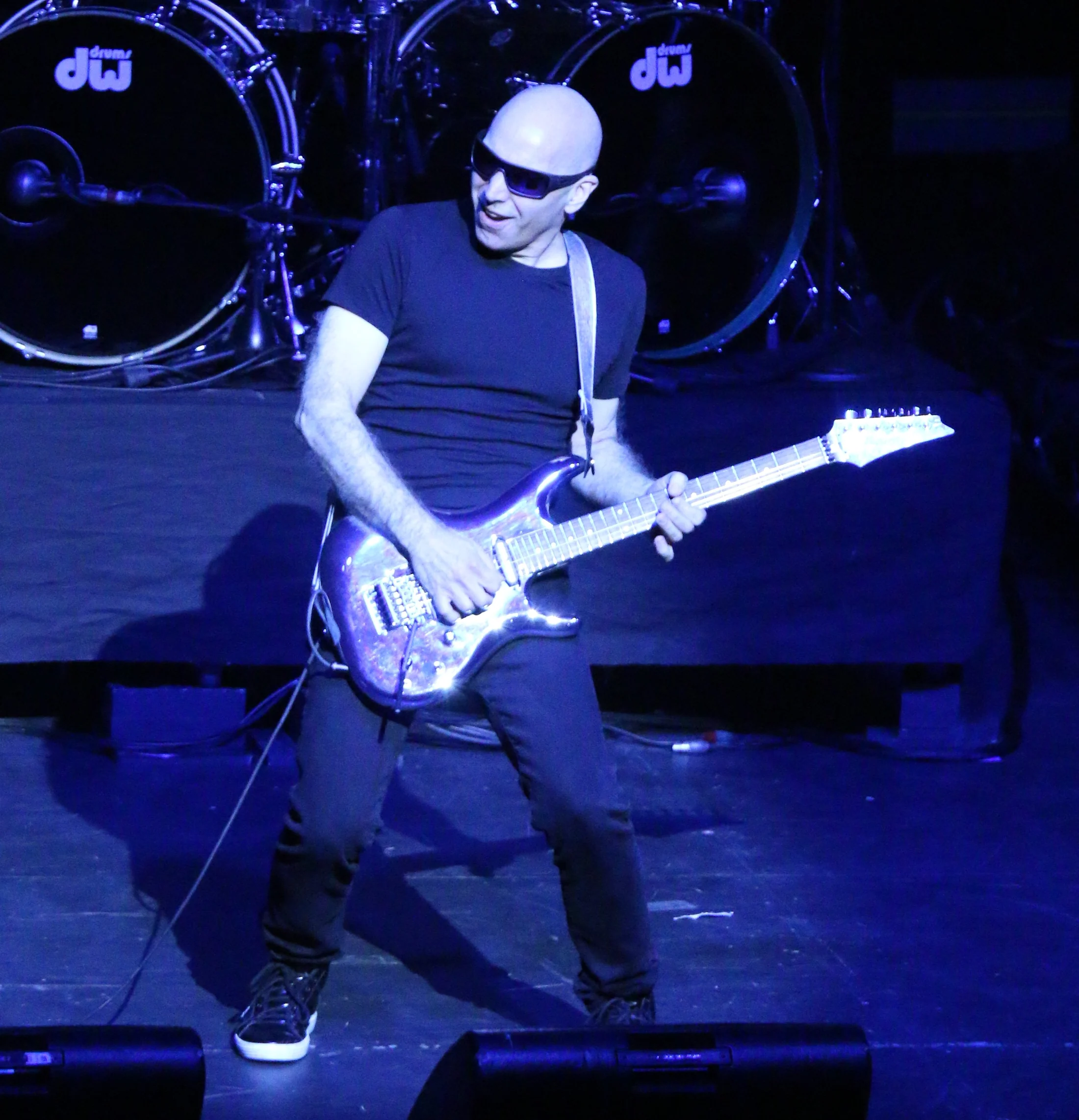
Satriani also played with Deep Purple in Europe in 1994. He told the Pulse that he grew into the job on that tour, which he recalled as a two-month run. Glover credited him with giving the musicians hope that they could go on after Blackmore. Satriani still heard his predecessor’s playing in his head. He remembers telling Glover he doubted he was the right player for a band looking to change direction. He already had his solo career and the support of his record company.
Glover brought up Morse in that conversation, as Satriani remembers it. Satriani was excited to hear what a guitarist with that range as a writer would do in Deep Purple. The band dates Morse’s arrival to 1994. A note in the 2007 interview with Glover puts the end of Satriani’s time in the group in the summer of 1994. The record Morse made with the band would follow in 1996.
In 1996 Morse told Musician that Satriani’s tour had made the handoff easier for him. Deep Purple still played songs built around Blackmore’s solos. In “Highway Star,” Morse kept the fast parts of the original solo and brought his own ideas into other parts of it. He kept the ending of Blackmore’s “Smoke on the Water” solo, too. Earlier in that solo he had room to jam over Ian Paice’s drum part. Glover said in his 2007 interview that when he first joined the band, he had taken Blackmore and Lord’s onstage variations for mistakes before realizing they were improvising.
What Morse and the band put on record
Ian Gillan first took notice of Morse through the Dixie Dregs. “Take It off the Top” was the theme for Tommy Vance’s BBC rock show, and the track caught the singer’s ear. Glover heard “Go for Baroque” on a car radio in Germany while on the road with Rainbow. He bought the album it came from, Unsung Heroes, and then Morse’s first solo album. For both men the guitarist’s playing was familiar long before they stood beside him at work.
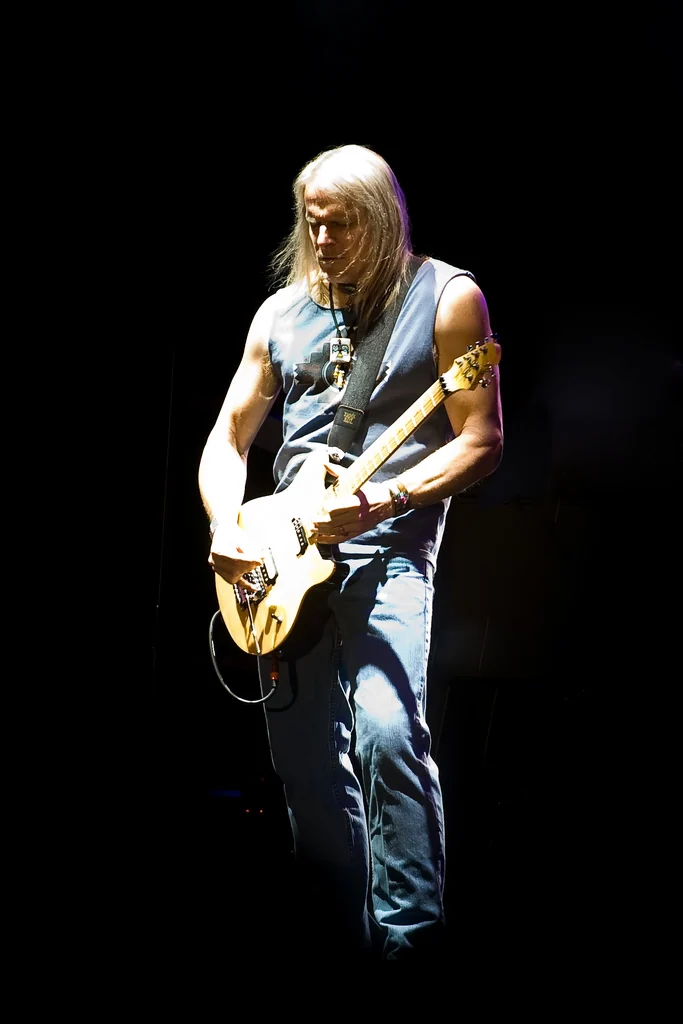
Gillan came to know Morse as a guitarist with the patience to see an idea through, even if it meant debating it with his bandmates. When the band announced in 2022 that Morse was stepping back, Gillan remembered those debates as mostly good-humored. He remembered Morse suggesting they try an idea before ruling it out. He credited Morse’s different musical background with helping shape their direction from the first album. By then Morse had spent longer in the guitar job than any other Deep Purple player. He had stayed through the change from Jon Lord to keyboardist Don Airey, after which the band had its longest-lasting lineup. Paice recalled musical ideas occurring to Morse that the others hadn’t considered.
Morse remembered playing a little harmonic figure while tuning up. In an interview with Innerviews, he said Glover heard him playing and Lord heard Glover talking about it. Lord joined in and Morse started playing through the amp. The group had recorded “Sometimes I Feel Like Screaming” by the end of the day, as Morse tells it. The track is one way to hear what the musicians made of an idea Morse happened to be playing while getting ready.
Morse pointed to “A Touch Away” and “The Aviator” as other examples of where that record could go. He wanted Deep Purple to have a wider range. He thought about the space Jimmy Page had made for acoustic and steel guitar, and about hearing mandolin on Led Zeppelin songs. In Deep Purple, Morse liked the freedom that came from a keyboard player who could improvise and a drummer who put swing into rock. It was his favorite Deep Purple album when he looked back on it.
Where to start with Purpendicular
Start with the guitar on “Vavoom: Ted the Mechanic,” the opener, then put on “Sometimes I Feel Like Screaming,” track four. In the Musician interview, Morse said the released take of that fourth track still held places where he reached for a harmonic and missed it. Listen for those edges in the guitar part. The band kept the take and left the little imperfections in.