Before Marilyn Monroe became a name on a movie poster, she was Norma Jeane, a girl getting to know an older half-sister through the mail. Berniece Baker Miracle had grown up far from her in Kentucky. They shared a mother, Gladys, but had spent their early lives apart.
Letters, family photographs and Berniece's later memoir, My Sister Marilyn, give you a way into that relationship. There are train journeys and career changes in the story, but also the smaller business of keeping in touch: sending a photograph, passing on an address, asking someone to write back.
A Family Beyond the Orphan Story
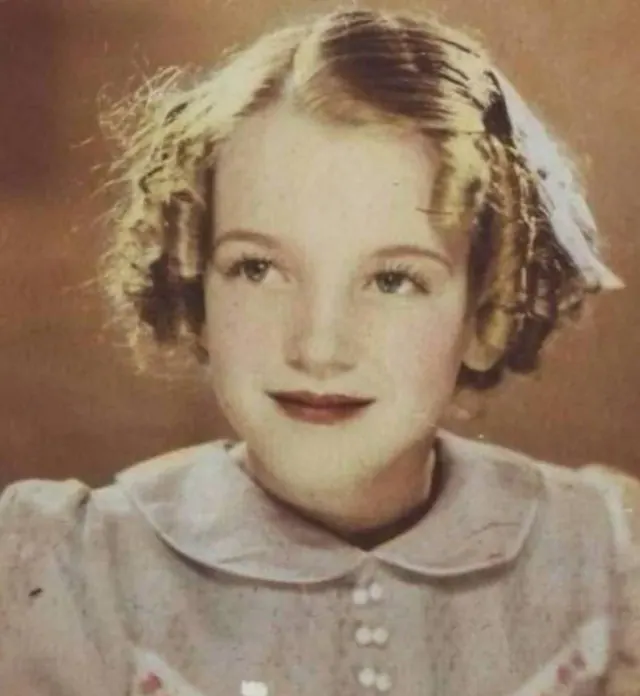
Marilyn spent part of her childhood in a children's home. That doesn't mean she had no living family. Her mother was alive, and Berniece was growing up in another household.
The sisters' separation began long before Hollywood publicity could have caused it. They first had to learn about each other themselves. Their correspondence belongs to those years, before one of them became a film star.
Norma Jeane Before Marilyn
Born in Los Angeles on June 1, 1926, Norma Jeane was placed with foster carers Albert and Ida Bolender while she was still a baby. Gladys worked and visited her. They later lived together for a time.
Different carers and addresses appear along the way. Years later, she would still write to Berniece about Ana, whom she described as kind to her.
California and Kentucky
Berniece was born in 1919, seven years before Norma Jeane. She grew up in Kentucky with her father, Jasper Baker, while her younger sister's childhood unfolded in California.
Put those places beside the birth years and the separation becomes easier to follow. They weren't sisters who had shared a bedroom and then drifted apart. They had no childhood together to fall back on when they began exchanging news. The photographs in the family album came later.
Berniece Had Her Own Family Story
Jasper and Gladys had two children together, Berniece and her older brother, known as Jackie. Norma Jeane was their younger maternal half-sister.
That family tree is easy to lose when every part of the story is told through Marilyn's later fame. Berniece's own childhood, her father and her brother all belong in it.
When Gladys Could No Longer Care for Her
Gladys's illness and hospitalization disrupted Norma Jeane's care. Her friend Grace, later known as Grace Goddard, became an important guardian. Other adults, including Grace's aunt Ana Lower, also helped look after the girl.
Norma Jeane's time in a children's home was part of that changing arrangement. It wasn't evidence that Gladys or the rest of the family had died. Years later, a sister's memories would sit beside that public image of a lonely childhood, adding people and names to it.
News of a Younger Sister
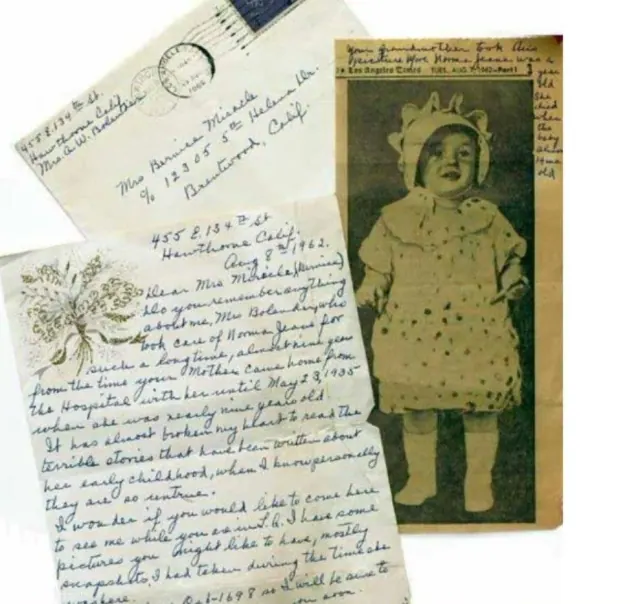
Berniece recalled learning about Norma Jeane when she was nineteen and her sister was twelve. The news came through contact with Gladys in the late 1930s.
It was a beginning. Berniece now knew there was a younger girl to write to, someone with a claim on the same family history. They still lived far apart. Getting acquainted would mean letters and photographs before it meant a visit, and neither had a shared childhood to describe.
Getting Acquainted on Paper
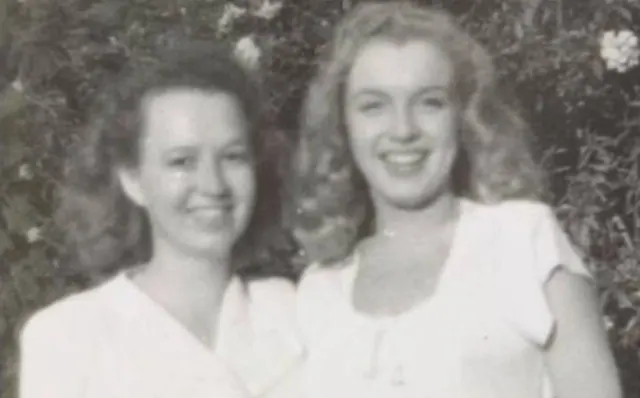
The early family pictures can make it look as if the sisters had always known each other. Their correspondence came first. A photograph sent in an envelope could show a face, a husband or a new part of someone's life.
Years later, those pictures would become public mementos. At the time, they served a more practical purpose: letting two relatives who hadn't met see who was at the other end of a letter.
An Address Made a Difference

To write back, each sister needed to know where the other was living. Addresses would keep changing as marriages, work and travel took them to new places.
The surviving envelopes and cards give the relationship a geography. California and Kentucky are only the start; Detroit appears too. The paper trail shows people making an effort to stay in contact across the distance.
A Photograph From Berniece and Paris

In an early letter catalogued by Christie's, Norma Jeane thanks Berniece for a photograph of her with her husband, Paris Miracle. She also passes on a relative's observation that the sisters resemble one another.
It's an ordinary exchange, and a useful one. There is a husband to introduce and a family likeness to discuss. Rather than a publicist describing a movie star, you have a younger sister responding to a picture someone has sent her. The name Marilyn wasn't needed for that conversation.
A Bride at Sixteen

Norma Jeane married James Dougherty in 1942, when she was sixteen and he was twenty-one. The marriage came as the Goddards' move created another change in her living arrangements.
Berniece was hearing from someone whose life was moving quickly, even before a film career entered the picture. In family correspondence, Norma Jeane could introduce a husband and describe a new home. Those developments belong to her early adulthood, rather than to the polished story of a star already finding her place.
Writing From Catalina Island
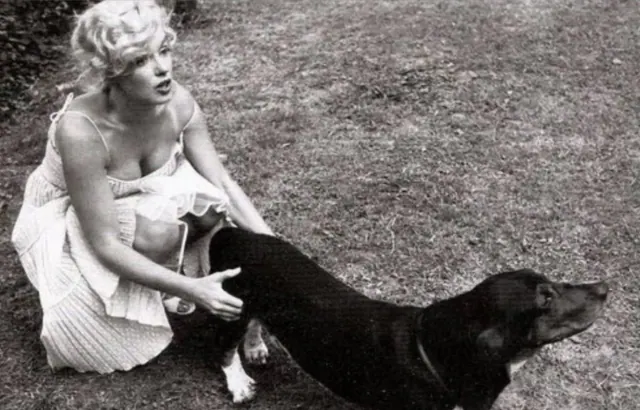
Catalina Island appears on the stationery of the early letter Christie's describes. Norma Jeane writes about living there with Dougherty, who was in the Maritime Service.
She tells Berniece something about the island as well as about her marriage. A letter like that lets a sister picture a place she isn't seeing for herself. It also gives the family story a setting quite different from a Hollywood studio: an island address, a young couple and news being carried through the post.
War and Changing Addresses

Dougherty's wartime service took him away, and Norma Jeane returned to the California mainland. Berniece and Paris were living in Detroit by the time the sisters met in 1944.
The distance hadn't vanished when they began writing. Travel and work still shaped when they could see each other. The later visit can be followed through a surviving postcard addressed to Berniece and Paris in Detroit.
Factory Work Before Film Work
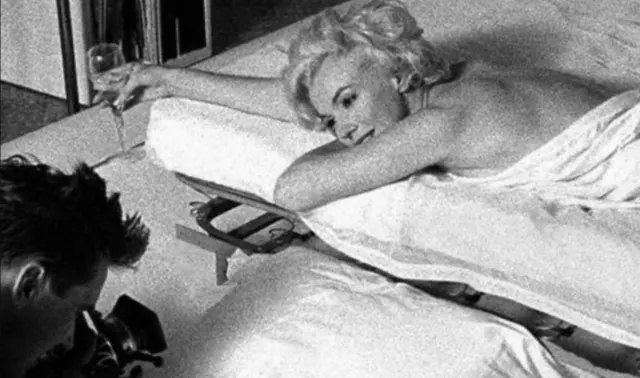
During the war, Norma Jeane worked at the Radioplane factory. Photographer David Conover photographed her there, an encounter associated with the beginning of her modeling work.
This was before she had a studio contract. The factory photographs mattered because they connected an industrial job to another kind of work. Professional modeling would bring more cameras, different clothes and eventually new opportunities.
Learning to Work for the Camera
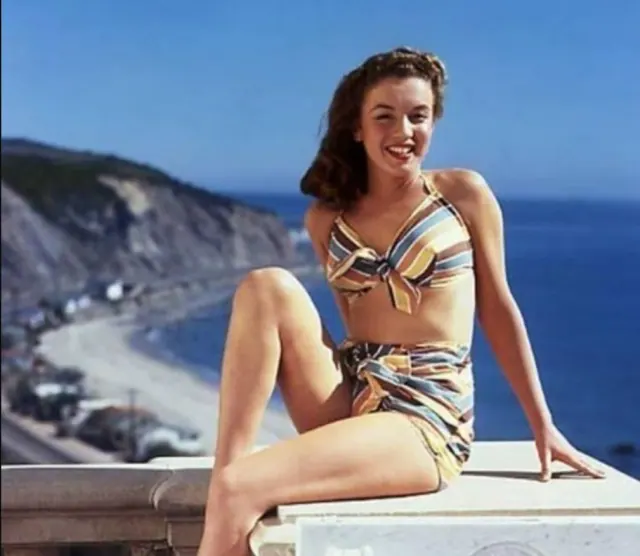
By 1945, Norma Jeane was moving into professional modeling, including work through the Blue Book agency. The photographs from this stage of her life belong to a developing career.
There was still a gap between appearing in pictures and appearing in films. When you place the early family correspondence beside that work, you can see two things happening at once: a young woman building a career and a sister keeping up with her news.
The First Visit to Detroit

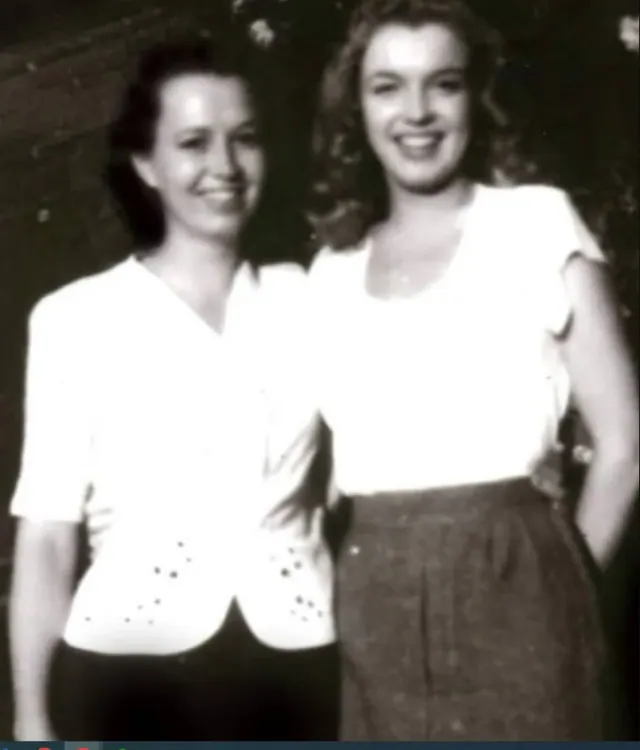
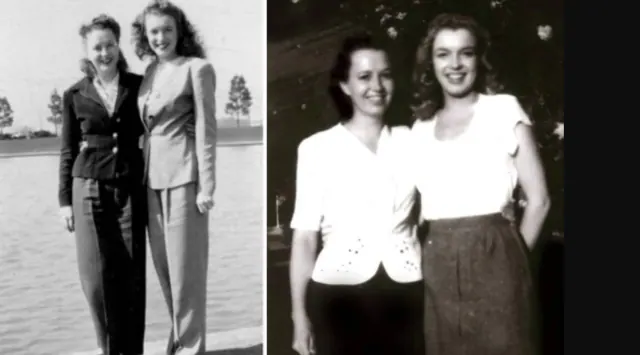
The sisters met face to face in Detroit in 1944, when Norma Jeane was eighteen and Berniece was twenty-five. Family snapshots from the visit have since appeared in auction catalogues.
They had exchanged pictures, but this was their first chance to spend time together in person. Paris and the couple's daughter, Mona Rae, were part of the family Norma Jeane was visiting. The meeting joined the faces in the envelopes to the people living at a real address.
The Blue Suit at the Station
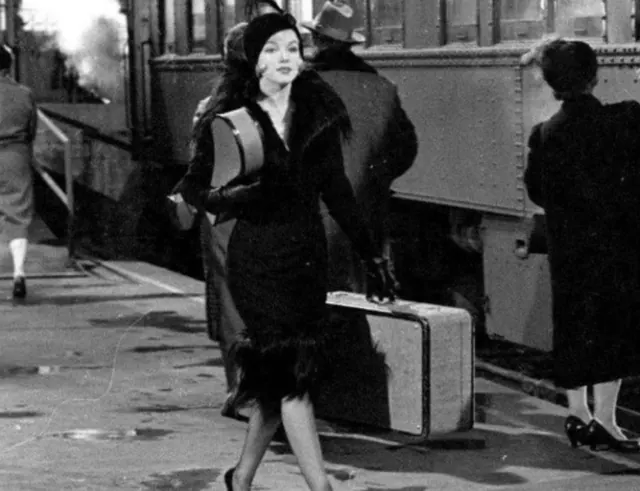
Berniece's memoir opens with her memory of waiting at the Detroit train station. Norma Jeane had described the cobalt-blue suit and heart-shaped hat she would be wearing, so her sister would know whom to look for.
Berniece remembered worrying about recognizing her, then finding her easy to spot. The clothes and the station are details from that recollection.
What Berniece Noticed

Berniece recalled similar dark-blond hair and mouths, alongside a difference in their eye colors. Her account makes room for the little comparisons people make when they finally meet a relative.
The family photographs offer another way to look at them together. Their separate lives are part of the story too. Getting to know a sister involved more than recognizing a familiar feature.
Different Childhoods, Shared Questions
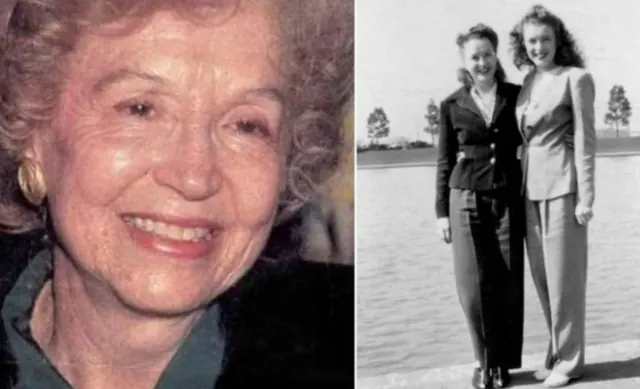
The sisters had a mother in common, but they had not experienced the same household. Berniece's years in Kentucky and Norma Jeane's changing homes in California couldn't be fitted into one childhood account.
Writing and visiting gave them a chance to compare what each knew. There were still limits to what either could explain about the family.
Music in the Family Memories
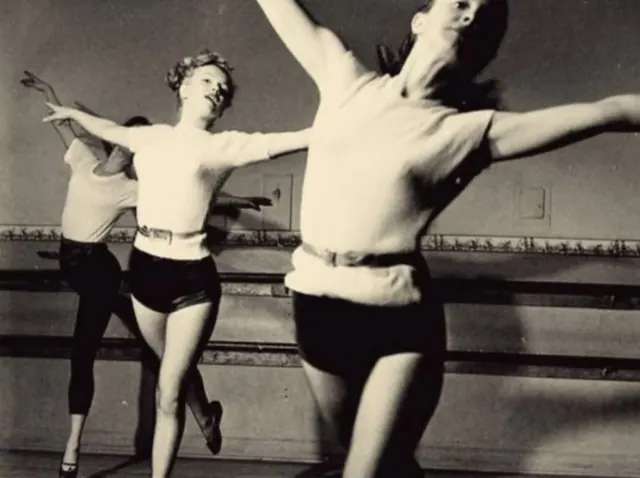
Music and performance appear in the family account long before Marilyn's film career. Berniece described her own school talent-show experience. Norma Jeane had piano lessons during her childhood, before changes at home interrupted them.
Those interests give you another view of the girls' early lives. A school routine and piano practice were things they had done while growing up, in different places, before the later photographs made them recognizable as sisters.
A Later Letter About Their Mother

A letter postmarked in February 1948 finds Marilyn writing to Berniece about Gladys. Christie's catalogue describes her uncertainty about her mother's whereabouts and her hope of being able to help her financially.
The account is complicated rather than neatly reconciled. She wants things to be different, while describing limits on what she can do. The letter preserves what Marilyn chose to tell her sister at that moment. It doesn't settle every part of their mother's story or erase the distance between them.
There Was an Ordinary Life, Too

Marilyn left behind writing about matters far removed from a screen role. A handwritten stuffing recipe is among the personal papers associated with her, alongside letters and notes.
A recipe doesn't tell us what she served during a particular visit with Berniece, and the vegetable picture here isn't a photograph of a family meal. It does offer a reminder of the everyday material that survives beside the publicity photographs: food to prepare, instructions to keep and words written for use away from a camera.
The Earlier Life With Jim
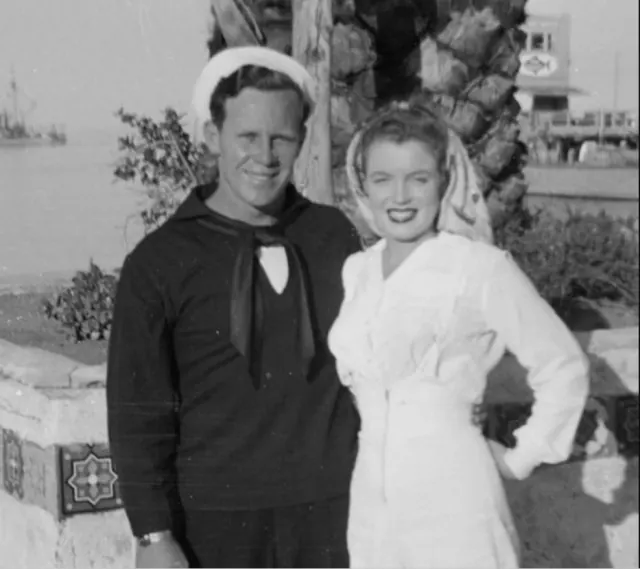
In the years before the film contract, Norma Jeane was also Mrs. Dougherty. Family letters refer to Jim and to the practical arrangements of their marriage while his service took him away.
Later accounts often hurry past that period on the way to Marilyn Monroe. The family correspondence slows the timeline down a little. This was a life she was describing as she lived it, before she could know which photographs or names would eventually become the familiar parts of her story.
The Marriage Ended in 1946

Norma Jeane and Dougherty divorced in 1946, four years after their wedding. Her modeling work was already under way, and she signed her first film contract in the same year.
The divorce did not turn her immediately into an established star. The film work still lay ahead, along with training, small parts and the uncertain business of trying to keep working.
Fox Was a Beginning
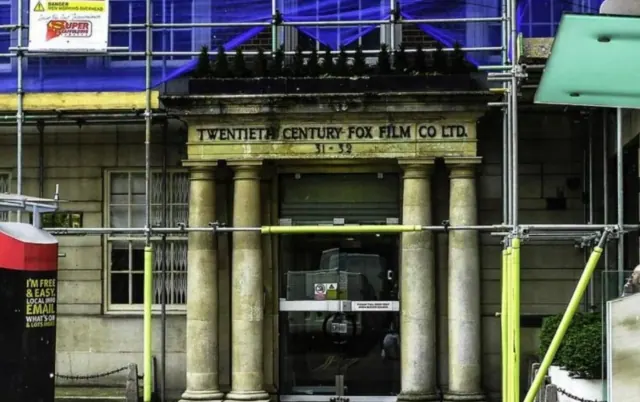
Her first contract with Twentieth Century-Fox came in 1946. Singing, dancing and acting lessons were part of the work of preparing a new performer for the screen.
Signing wasn't the same as receiving a guaranteed run of leading roles. The early contract belongs at the start of her career, before the films that would make her widely known. For Berniece, the news came from a sister whose life was changing again, rather than from a celebrity whose success had always been assured.
Marilyn Monroe, Still Norma Jeane to Family
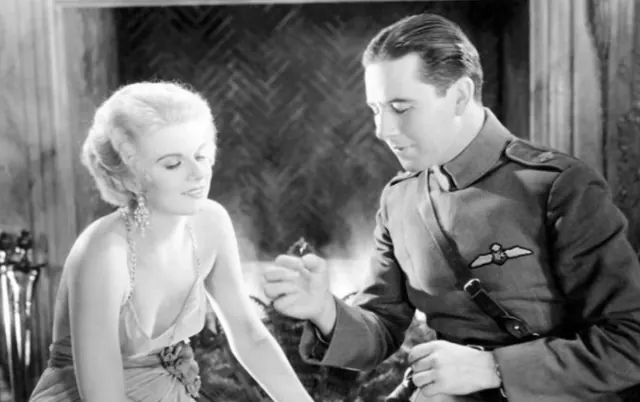
The professional name Marilyn Monroe emerged during her early studio period. Her earlier surname, Dougherty, remained part of the record of her first marriage and first steps into film work.
The different names didn't simply replace one another in every setting overnight. A 1948 letter to Berniece, written on stationery headed Marilyn, was signed Norma Jeanne, according to Christie's transcription. A family letter could carry both the new professional identity and a version of the name her sister had known before it.
Small Parts Before Stardom
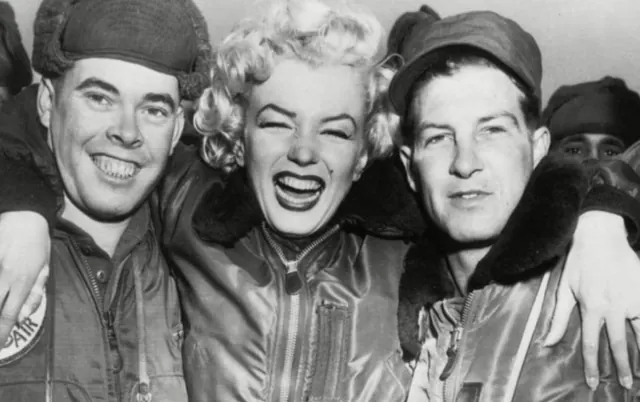
Dangerous Years gave Marilyn an early screen role as a waitress. The American Film Institute identifies the drama as her screen debut. It wasn't the arrival of the fully formed star familiar from her later films.
Her correspondence with Berniece continued during those early acting years. A sister receiving news from Hollywood was following a career in progress. Looking back, it's easy to jump straight to the famous performances and miss the smaller jobs that came before them.
The Family Album in California
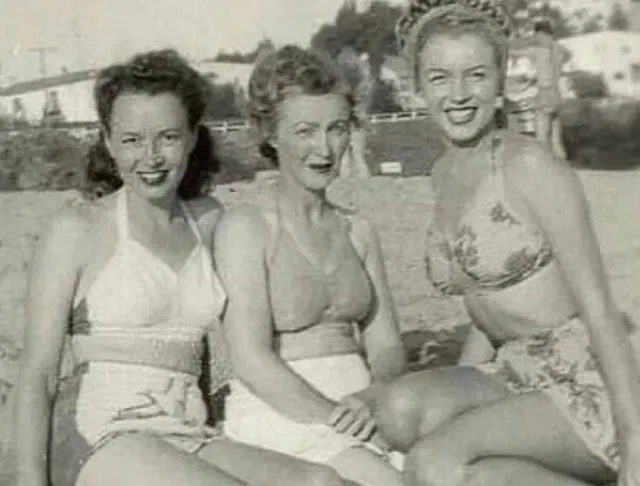
In the beach photograph, Berniece is on the left, Gladys in the middle and Norma Jeane on the right. The three women sit close together on the sand, smiling toward the camera. The archive does not establish an exact date for the outing.
This is a family group, with a mother between her two daughters. The sisters' earlier pictures from Detroit show another visit. Taken together, the photographs put faces beside the names that appear in their correspondence.
A Memoir Published in 1994

Berniece and her daughter Mona Rae wrote My Sister Marilyn: A Memoir of Marilyn Monroe together. Algonquin Books of Chapel Hill published the first edition in 1994.
The book brought family memories and a private photograph collection to readers. Its publication date is much later than the letters and visits it describes. It wasn't the beginning of the sisters' relationship, or proof that no one had known Berniece existed. It was their family's opportunity to tell the story at length.
A Note for Mona Rae
The postcard Marilyn sent after the Detroit visit was postmarked October 28, 1944. She thanked Berniece and Paris for the time they had spent together and promised to write again.
Then she added a message for her niece: “Give Mona Rae my love.” That short request belongs to the same card as the thanks and the address in Detroit. Years before Mona would help her mother write a book about Marilyn, she was already someone her aunt remembered to include.